The concept of the tragic hero has been a cornerstone of literature and drama for centuries, with its roots in ancient Greek tragedy. This archetype, first introduced by Aristotle in his work "Poetics," describes a character who, despite being noble and virtuous, suffers a downfall due to a combination of circumstances and their own actions. The tragic hero's story serves as a cautionary tale, eliciting feelings of pity and fear in the audience. At the heart of this narrative device are five tragic hero traits that define these characters and propel the plot forward.
Introduction to Tragic Hero Traits
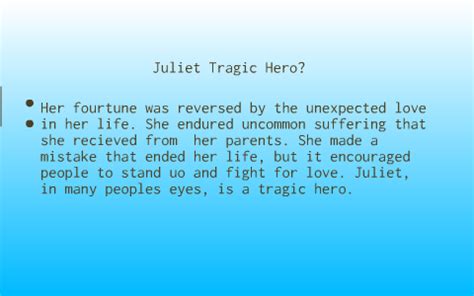
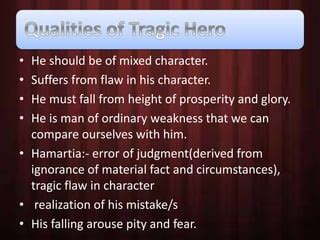
The tragic hero traits are fundamental to understanding why these characters’ stories are so compelling and timeless. They include the hero’s noble stature, their hamartia or tragic flaw, the concept of peripeteia or reversal of fortune, anagnorisis or recognition of their flaw, and finally, their tragic downfall. These elements work together to create a narrative that is both captivating and instructive, offering insights into human nature and the consequences of one’s actions.
Key Points
- The noble stature of the tragic hero, which often involves a position of power or high social status.
- The hamartia, or tragic flaw, which is a characteristic that leads to the hero's downfall, such as hubris, greed, or ambition.
- Peripeteia, the reversal of fortune, where the hero's circumstances change from good to bad, often as a direct result of their actions.
- Anagnorisis, the moment of recognition, where the hero realizes their mistake and understands the cause of their downfall.
- The tragic downfall, which serves as the climax of the story, where the hero faces the consequences of their actions, often leading to their demise.
Noble Stature: The Foundation of Tragic Heroes
A tragic hero is typically a character of noble stature, meaning they are of high social status, have a good reputation, or possess exceptional abilities. This nobility is what makes their downfall tragic, as it contrasts sharply with their former glory. The audience is more likely to empathize with a character who has a lot to lose, making the story more engaging and impactful. For example, in William Shakespeare’s “Macbeth,” the titular character is a respected Scottish nobleman and general in King Duncan’s army. His position and the respect he commands from others highlight the magnitude of his fall from grace.
Hamartia: The Tragic Flaw
The hamartia, or tragic flaw, is a critical element of the tragic hero archetype. It refers to a characteristic or action that leads to the hero’s downfall. Common tragic flaws include hubris (excessive pride), ambition, and greed. The tragic flaw is not necessarily a moral failing but rather a trait that, when combined with circumstances, sets the hero on a path from which they cannot return. In the case of Macbeth, his tragic flaw is his ambition, fueled by the prophecies of the three witches and goaded by his wife, Lady Macbeth. His desire for power and the throne ultimately leads to his downfall.
| Tragic Flaw | Example in Literature |
|---|---|
| Hubris | Oedipus Rex by Sophocles |
| Ambition | Macbeth by William Shakespeare |
| Greed | The Great Gatsby by F. Scott Fitzgerald |
Peripeteia: The Reversal of Fortune
Peripeteia refers to the reversal of fortune that the tragic hero experiences. This is the turning point in the story where the hero’s circumstances change from good to bad. The reversal is often a direct result of the hero’s actions, stemming from their tragic flaw. For Macbeth, the moment he decides to murder King Duncan marks the beginning of his reversal of fortune. His actions lead to a series of consequences that eventually result in his downfall and death.
Anagnorisis: The Moment of Recognition
Anagnorisis, or the moment of recognition, is when the tragic hero realizes their mistake and understands the cause of their downfall. This moment is significant because it shows the hero’s growth and awareness. They come to understand that their tragic flaw and the actions that followed were the causes of their demise. In “Oedipus Rex,” Oedipus’s moment of recognition comes when he discovers that he has indeed killed his father and married his mother, just as the prophecy had foretold. This realization leads to his tragic downfall, as he is unable to reconcile his actions with his sense of identity and morality.
The Tragic Downfall
The tragic downfall is the climax of the tragic hero’s story, where they face the consequences of their actions. This downfall is often devastating, resulting in the hero’s death or the loss of everything they held dear. The tragic downfall serves as a form of catharsis for the audience, allowing them to experience and release strong emotions related to the story. In the case of Macbeth, his downfall comes when he is killed by Macduff, a Scottish nobleman who seeks revenge for the murder of his family. Macbeth’s death marks the end of his reign of terror and the restoration of order in Scotland.
What is the primary characteristic that defines a tragic hero?
+The primary characteristic that defines a tragic hero is their noble stature, which can include high social status, a good reputation, or exceptional abilities.
Can a tragic hero survive their story?
+While the traditional tragic hero often meets a fatal end, it is possible for a tragic hero to survive their story. However, their survival is typically marked by a profound change or loss that reflects the consequences of their actions.
What role does hamartia play in the tragic hero's downfall?
+Hamartia, or the tragic flaw, plays a central role in the tragic hero's downfall. It is the characteristic or action that sets the hero on a path from which they cannot return, leading to their tragic downfall.
In conclusion, the five tragic hero traits—noble stature, hamartia, peripeteia, anagnorisis, and the tragic downfall—work together to create a narrative that is both compelling and thought-provoking. Through the stories of tragic heroes like Macbeth and Oedipus, we gain insights into human nature and the consequences of one’s actions, serving as a reminder of the importance of self-awareness, morality, and the consideration of one’s actions.