
The world has witnessed its fair share of infamous female criminals, whose brutal acts have left a lasting impact on history. From ruthless queens to cunning serial killers, these women have proven that they can be just as deadly as their male counterparts. In this article, we will delve into the lives of five of the deadliest women in history, exploring their motives, methods, and the extent of their destruction.
Key Points
- The five deadliest women in history include Elizabeth Báthory, Mary Ann Cotton, Amelia Dyer, Belle Gunness, and Wu Zetian.
- These women were responsible for the deaths of hundreds of people, with motives ranging from financial gain to twisted desires for power and control.
- Their methods were often brutal and calculating, with some using poison, others using violence, and one even using a combination of both.
- Despite their gruesome crimes, some of these women were able to evade justice for years, with one even becoming a queen.
- Their stories serve as a reminder that evil can take many forms, and that even the most unlikely individuals can be capable of great destruction.
Elizabeth Báthory: The Blood Countess

Elizabeth Báthory, a Hungarian noblewoman, is often considered one of the most prolific female serial killers in history. Born in 1560, Báthory was known for her beauty and her cruel treatment of servants. However, it was not until she was widowed in 1604 that her true nature was revealed. Báthory became convinced that the blood of young girls had regenerative properties, and she began to lure them to her castle, where she would torture and kill them, bathing in their blood in an attempt to retain her youth.
It is estimated that Báthory was responsible for the deaths of between 80 and 650 girls, although the exact number is still a matter of debate. Her methods were brutal, involving mutilation, burning, and beating, among other forms of torture. Báthory’s reign of terror finally came to an end in 1610, when she was arrested and imprisoned in her castle, where she remained until her death in 1614.
Mary Ann Cotton: The Black Widow
Mary Ann Cotton, an Englishwoman, was born in 1832 and is believed to have been responsible for the deaths of up to 21 people, including her own children and husbands. Cotton’s motives were largely financial, as she would often collect life insurance policies on her victims. Her methods were cunning, using a combination of poison and manipulation to get what she wanted.
Cotton’s first husband, William Mowbray, died under suspicious circumstances, and she went on to marry several more times, each time collecting a significant amount of money upon her husband’s death. However, it was not until the death of her 10-year-old stepson, Charles Edward Cotton, that her crimes were finally discovered. Cotton was arrested, tried, and executed by hanging in 1873.
| Victim | Cause of Death |
|---|---|
| William Mowbray | Unknown |
| Charles Edward Cotton | Arsenic poisoning |
| Isabella Mowbray | Unknown |

Amelia Dyer: The Baby Farmer
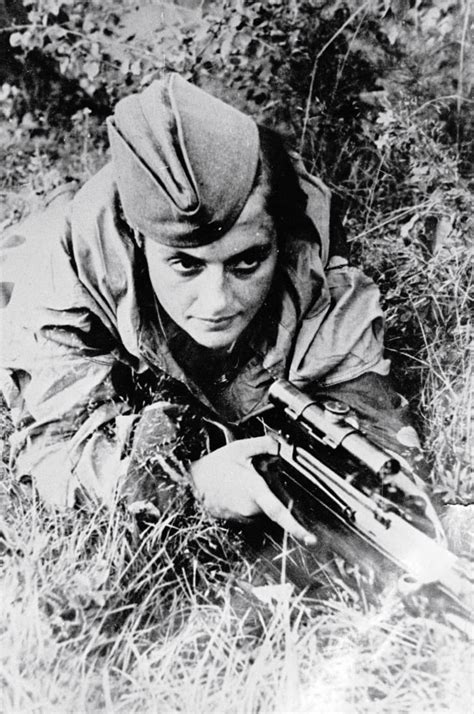
Amelia Dyer, an Englishwoman, was born in 1829 and is believed to have been responsible for the deaths of up to 400 babies. Dyer’s method was to offer to care for unwanted infants, often from young, unmarried mothers, and then murder them, usually by strangulation or drowning. She would then collect the payment from the mothers, who were often told that their children had been adopted by loving families.
Dyer’s crimes were finally discovered in 1896, when the body of a baby was found in the Thames River, with a piece of fabric caught in a wire that had been used to weigh down the body. The fabric was later matched to a dress owned by Dyer, leading to her arrest and execution by hanging in 1896.
Belle Gunness: The Female Bluebeard
Belle Gunness, a Norwegian-American woman, was born in 1859 and is believed to have been responsible for the deaths of between 25 and 40 people, including her husbands and children. Gunness’s methods were brutal, involving violence, poison, and even dismemberment. Her motives were largely financial, as she would often collect life insurance policies on her victims.
Gunness’s crimes were finally discovered in 1908, when a fire broke out at her farm, revealing the remains of several bodies. However, Gunness herself was never found, and it is believed that she may have escaped, assuming a new identity.
Wu Zetian: The Only Woman Emperor of China
Wu Zetian, a Chinese empress, was born in 624 and is believed to have been responsible for the deaths of thousands of people, including her own family members and rivals. Wu’s rise to power was marked by cunning and brutality, as she eliminated anyone who stood in her way, including her own daughter, who was killed in a failed attempt to overthrow Wu.
Wu’s methods were often brutal, involving torture, mutilation, and even cannibalism. Her motives were largely driven by a desire for power and control, as she sought to become the only woman emperor of China in history. Wu’s reign was marked by terror and violence, and she was eventually overthrown in 705, dying soon after.
What motivated these women to commit such heinous crimes?
+The motivations behind these women's crimes varied, but often involved a desire for power, control, and financial gain. In some cases, their motives were driven by a twisted desire for beauty and youth, while in others, they were driven by a need for revenge or a desire to eliminate rivals.
How were these women able to evade justice for so long?
+These women were often able to evade justice due to their cunning and ability to manipulate those around them. In some cases, they were able to use their social status and wealth to avoid detection, while in others, they were able to use their charm and beauty to lure victims into their trap.
What can we learn from the stories of these deadly women?
+The stories of these deadly women serve as a reminder that evil can take many forms, and that even the most unlikely individuals can be capable of great destruction. They also highlight the importance of understanding the motivations behind a killer's actions, and the need for vigilance and awareness in order to prevent such crimes from occurring.
In conclusion, the stories of these five deadliest women in history serve as a reminder that evil can take many forms, and that even the most unlikely individuals can be capable of great destruction. Their motives, methods, and extent of their destruction vary, but their impact on history is undeniable. By studying their cases, we can gain a deeper understanding of the complexities of human nature and the importance of vigilance and awareness in preventing such crimes from occurring.