The impact of winds on warfare has been a significant factor throughout history, influencing the outcome of battles, campaigns, and even the fate of empires. From ancient times to modern-day conflicts, understanding and leveraging wind patterns has been crucial for military strategists and tacticians. Here, we'll delve into 7 ways winds have played a critical role in shaping the face of war, demonstrating the intricate relationship between meteorology and military strategy.
Key Points
- Wind's role in naval battles and maritime warfare
- Impact of wind on artillery and projectile trajectories
- Wind as a factor in aviation and aerial combat
- Use of wind in guerrilla warfare and ambush tactics
- Wind's influence on ground combat and troop movements
- Role of wind in the deployment of chemical and biological weapons
- Integration of wind forecasts into modern military planning
Naval Battles and Maritime Warfare
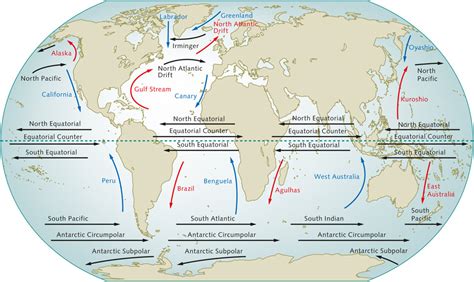
Historically, wind has been a determining factor in naval battles, as it directly affects the maneuverability and speed of sailing vessels. The ability to harness the wind gave navies a significant advantage, allowing them to control the seas and project power across the globe. For instance, the British Navy’s mastery of the winds and currents enabled them to dominate maritime trade routes and secure crucial victories during the Age of Sail. The windward position, where a ship had the wind at its back, was highly coveted, as it allowed for greater mobility and the ability to attack or retreat at will.
Wind and Sailing Tactics
Sailing tactics were heavily influenced by wind patterns, with commanders needing to understand and predict wind shifts to outmaneuver their opponents. The starboard tack, where the wind comes from the right side of the ship, and the port tack, where the wind comes from the left, required different sailing techniques and strategies. This nuances of sailing and understanding wind patterns were critical in battles such as Trafalgar, where Admiral Nelson’s fleet leveraged the wind to devastating effect against the combined French and Spanish fleet.
| Naval Engagement | Wind's Role |
|---|---|
| Trafalgar (1805) | British fleet exploited wind to outflank and defeat the enemy |
| Spanish Armada (1588) | Wind and storms contributed to the defeat of the Spanish fleet |
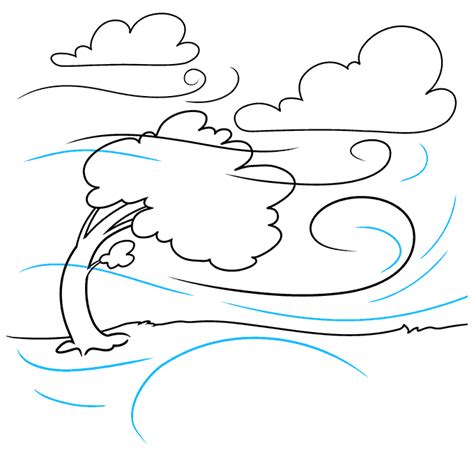
Artillery and Projectile Trajectories
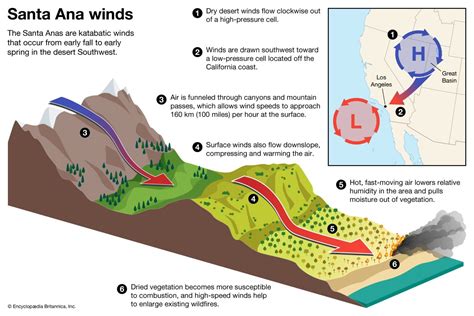
Wind also plays a significant role in the accuracy and effectiveness of artillery fire. Projectiles, whether fired from cannons, howitzers, or mortars, are affected by wind resistance, which can alter their trajectory and impact point. Understanding and compensating for wind conditions are crucial for artillery crews to achieve accurate and effective fire. This is particularly important in modern warfare, where precision-guided munitions and advanced fire control systems rely on accurate meteorological data to function effectively.
Ballistic Calculations and Wind
The calculation of ballistic trajectories takes into account several factors, including the velocity of the projectile, the angle of elevation, and atmospheric conditions such as air density and wind speed. Ballistic tables and meteorological data are used to adjust fire and ensure that projectiles hit their intended targets. The integration of wind forecasts into fire control systems has significantly improved the accuracy of artillery fire, making it a potent force on the battlefield.
Aerial Combat and Aviation
In the realm of aerial combat, wind conditions can significantly impact the performance and maneuverability of aircraft. Pilots must understand and adapt to wind patterns to execute effective combat maneuvers and evade enemy fire. Wind can affect aircraft speed, climb rate, and turn radius, making it a critical factor in dogfighting and air-to-air combat. Furthermore, wind conditions influence the deployment and effectiveness of aerial weapons, such as missiles and bombs.
Aerodynamics and Wind
The study of aerodynamics and the effects of wind on aircraft performance is essential for pilots and aviation engineers. Understanding how wind interacts with the airframe, control surfaces, and propulsion system is crucial for designing and operating aircraft that can withstand various wind conditions. The development of fly-by-wire systems and advanced flight control computers has enabled aircraft to adapt to changing wind conditions in real-time, enhancing their stability and maneuverability.
Guerrilla Warfare and Ambush Tactics
In guerrilla warfare and ambush tactics, wind can be a valuable ally or a significant obstacle. Wind can mask the sound of approaching troops or vehicles, allowing for surprise attacks, or it can carry the sound of enemy movements, providing early warning. The direction and speed of the wind can also affect the deployment of ambushes, with windward positions often being preferred for concealment and surprise. Understanding local wind patterns is essential for guerrilla fighters and special operations forces, enabling them to plan and execute effective ambushes and raids.
Ground Combat and Troop Movements

On the battlefield, wind can influence ground combat and troop movements in several ways. Wind can reduce visibility, making it difficult for troops to navigate and engage targets. It can also disperse chemical and biological agents, affecting their potency and area of effect. Furthermore, wind can impact the effectiveness of smoke screens and other obscurants used to conceal troop movements or positions.
Chemical and Biological Warfare
In the context of chemical and biological warfare, wind plays a critical role in the dispersal and effectiveness of agents. Wind speed and direction can determine the trajectory and concentration of chemical or biological clouds, affecting their impact on enemy forces and civilian populations. Understanding and predicting wind patterns is essential for military planners to minimize the risks associated with these types of weapons and to develop effective countermeasures.
Modern Military Planning and Wind Forecasts
Today, wind forecasts are an integral part of modern military planning, with advanced meteorological systems providing critical data for mission planning and execution. The integration of wind forecasts into military operations enables commanders to make informed decisions about troop deployments, artillery fire, and aerial operations, ultimately enhancing the effectiveness and safety of military operations.
How does wind affect artillery fire?
+Wind affects artillery fire by altering the trajectory of projectiles, which can impact their accuracy and effectiveness. Understanding and compensating for wind conditions are crucial for artillery crews to achieve accurate fire.
What role does wind play in aerial combat?
+Wind conditions can significantly impact the performance and maneuverability of aircraft in aerial combat. Pilots must adapt to wind patterns to execute effective combat maneuvers and evade enemy fire.
How is wind used in guerrilla warfare and ambush tactics?
+Wind can be a valuable ally in guerrilla warfare and ambush tactics, as it can mask the sound of approaching troops or vehicles, allowing for surprise attacks. Understanding local wind patterns is essential for planning and executing effective ambushes and raids.
In conclusion, the impact of winds on warfare is multifaceted and profound, influencing various aspects of military operations from naval battles to aerial combat, and from artillery fire to guerrilla warfare. As military technology continues to evolve, the integration of wind forecasts and meteorological data into military planning will remain a critical factor in achieving strategic and tactical advantages on the battlefield.