The human body is composed of a complex system of muscles, tendons, and ligaments that work in harmony to facilitate movement and maintain posture. Among these, the flexor and extensor muscles play a crucial role in enabling us to perform various activities, from simple tasks like writing and typing to complex movements like running and jumping. Understanding the difference between flexor and extensor muscles, as well as their functions and interactions, is essential for maintaining optimal muscle health and preventing injuries. In this article, we will delve into the world of flexor and extensor muscles, exploring their anatomy, physiology, and significance in our daily lives.
Introduction to Flexor and Extensor Muscles
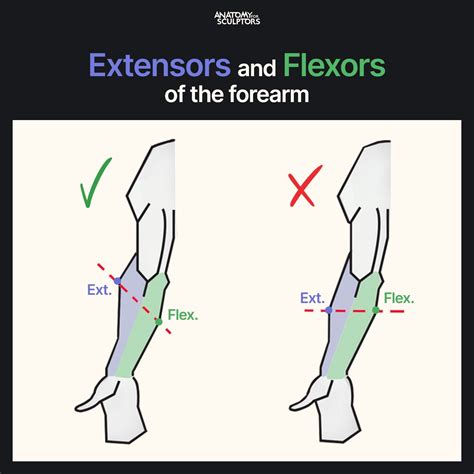
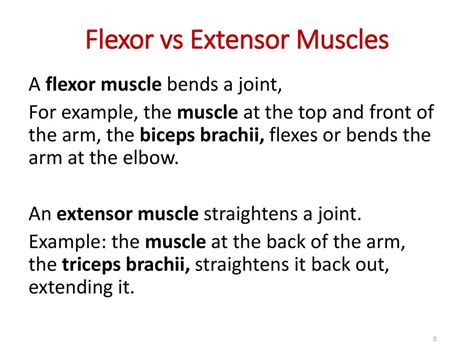
Flexor muscles are responsible for flexion, which is the movement that reduces the angle between the bones of a limb, essentially bending the joint. On the other hand, extensor muscles are involved in extension, the movement that increases the angle between the bones of a limb, straightening the joint. For instance, the biceps brachii is a flexor muscle in the arm, while the triceps brachii is an extensor muscle. This antagonistic relationship between flexors and extensors is fundamental to voluntary movement, allowing for precise control over the range of motion in our joints.
Tip 1: Understanding the Antagonistic Relationship
The antagonistic relationship between flexor and extensor muscles is crucial for movement and stability. When a flexor muscle contracts, its corresponding extensor muscle relaxes, and vice versa. This coordinated action enables smooth, controlled movements. For example, when you bend your elbow (flexion), your biceps contract, and your triceps relax. Conversely, when you straighten your elbow (extension), your triceps contract, and your biceps relax. This balance is essential for maintaining proper joint function and preventing muscle imbalances that could lead to injury.
| Muscle Type | Function | Example |
|---|---|---|
| Flexor | Bending movement | Biceps brachii |
| Extensor | Straightening movement | Triceps brachii |
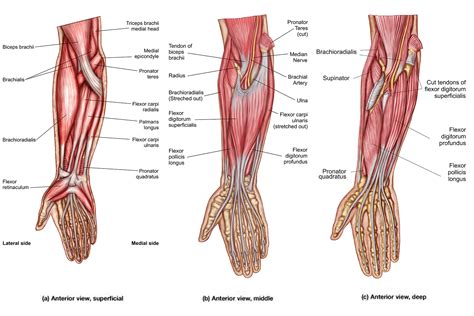
Significance of Flexor and Extensor Muscles in Daily Activities
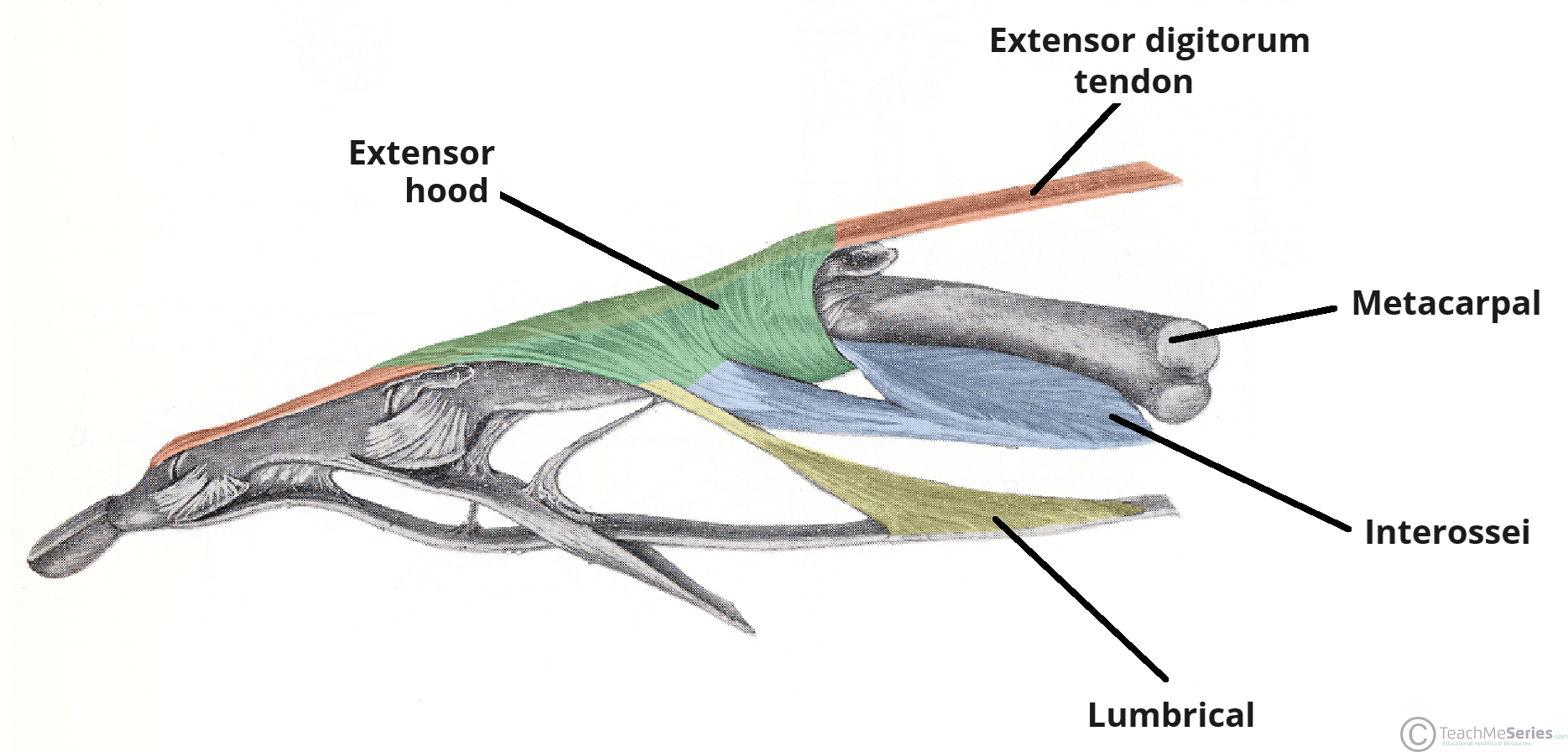
Both flexor and extensor muscles are vital for performing daily activities. For instance, walking involves the coordinated action of flexor and extensor muscles in the legs. The flexor muscles (such as the hamstrings) help in bending the knee and hip, while the extensor muscles (such as the quadriceps) are crucial for straightening these joints, facilitating forward movement. Similarly, in the arms, flexor muscles like the biceps and brachialis are involved in elbow flexion, essential for activities like lifting, whereas extensor muscles like the triceps are necessary for extension, important in actions like pushing.
Tip 2: Maintaining Muscle Balance
Maintaining a balance between flexor and extensor muscles is crucial for preventing injuries and ensuring optimal physical performance. Muscle imbalances, where one set of muscles becomes overly strong compared to its antagonistic pair, can lead to poor posture, reduced mobility, and increased risk of injury. Regular exercise that targets both flexor and extensor muscles can help maintain this balance. For example, incorporating both bicep curls (targeting flexors) and tricep dips (targeting extensors) into a workout routine can help ensure that the muscles around the elbow joint remain balanced.
Key Points
- Flexor muscles are responsible for bending movements.
- Extensor muscles are involved in straightening movements.
- Maintaining balance between flexor and extensor muscles is crucial for preventing injuries and ensuring optimal physical performance.
- Understanding the antagonistic relationship between flexor and extensor muscles is essential for devising effective exercise and rehabilitation programs.
- Regular exercise targeting both flexor and extensor muscles can help maintain muscle balance and prevent injuries.
Practical Applications and Tips
Beyond understanding the basic functions of flexor and extensor muscles, applying this knowledge in practical scenarios can significantly benefit overall muscle health and physical performance. Here are a few tips:
Tip 3: Incorporating Stretching and Strengthening Exercises
Incorporating exercises that stretch and strengthen both flexor and extensor muscles can improve flexibility and reduce the risk of injury. For flexors, activities like yoga or Pilates that focus on bending and stretching can be beneficial. For extensors, resistance band exercises or weightlifting can help strengthen these muscles.
Tip 4: Monitoring for Muscle Imbalances
Regularly assessing muscle strength and flexibility can help identify imbalances between flexor and extensor muscles. If an imbalance is detected, targeted exercises can be implemented to strengthen the weaker muscle group, thereby restoring balance and reducing the risk of injury.
Tip 5: Considering Professional Guidance
For individuals with specific muscle imbalances or those looking to optimize their physical performance, consulting with a fitness professional or physical therapist can provide personalized guidance. These experts can design customized exercise programs that address specific needs, ensuring that both flexor and extensor muscles are adequately strengthened and stretched.
What is the primary function of flexor muscles in the human body?
+The primary function of flexor muscles is to facilitate bending movements by reducing the angle between the bones of a limb.
Why is maintaining a balance between flexor and extensor muscles important?
+Maintaining a balance between flexor and extensor muscles is crucial for preventing injuries, ensuring optimal physical performance, and facilitating smooth, controlled movements.
How can one incorporate exercises that target both flexor and extensor muscles into their workout routine?
+Incorporating a mix of exercises that target both flexor and extensor muscles, such as bicep curls and tricep dips for the arms, or squats and lunges for the legs, can help maintain muscle balance and prevent injuries.
In conclusion, understanding the roles and interactions of flexor and extensor muscles is fundamental to appreciating the complexities of human movement and muscle function. By recognizing the importance of balance between these muscle groups and incorporating targeted exercises into our routines, we can improve our physical performance, prevent injuries, and maintain optimal muscle health. Whether through professional guidance or self-directed exercise programs, prioritizing the health and balance of our flexor and extensor muscles is a critical aspect of overall wellness and fitness.