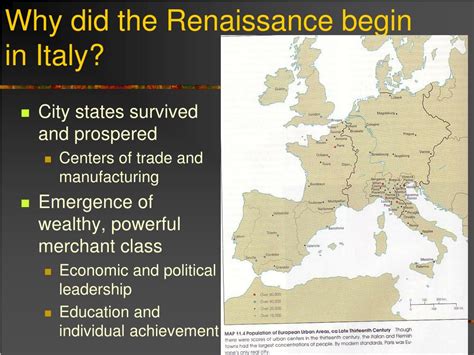
The Renaissance, which translates to "rebirth" in French, was a cultural and intellectual movement that marked the transition from the medieval to the modern era in Europe. It began in Italy in the 14th century and lasted until the 17th century, spreading to other parts of the continent over time. The Renaissance is often characterized by its revival of classical Greek and Roman culture, as well as its emphasis on humanism, individualism, and intellectual curiosity. During this period, Italian city-states such as Florence, Venice, and Rome became centers of artistic, literary, and scientific innovation, attracting scholars, artists, and thinkers from all over Europe.
The Renaissance in Italy was sparked by a combination of factors, including the resurgence of interest in classical learning, the growth of trade and commerce, and the rise of powerful city-states. The Medici family, who were bankers and politicians in Florence, played a significant role in patronizing the arts and supporting the work of artists, writers, and thinkers. The Renaissance saw the emergence of iconic figures such as Leonardo da Vinci, Michelangelo, and Galileo Galilei, who made groundbreaking contributions to art, science, and philosophy. The movement also witnessed the development of new artistic techniques, such as perspective and sfumato, which allowed artists to create highly realistic and detailed works.
Key Points
- The Renaissance began in Italy in the 14th century and lasted until the 17th century.
- The movement was characterized by a revival of classical Greek and Roman culture, as well as an emphasis on humanism, individualism, and intellectual curiosity.
- Italian city-states such as Florence, Venice, and Rome became centers of artistic, literary, and scientific innovation during the Renaissance.
- The Medici family played a significant role in patronizing the arts and supporting the work of artists, writers, and thinkers during the Renaissance.
- The Renaissance saw the emergence of iconic figures such as Leonardo da Vinci, Michelangelo, and Galileo Galilei, who made groundbreaking contributions to art, science, and philosophy.
The Cultural and Intellectual Context of the Renaissance
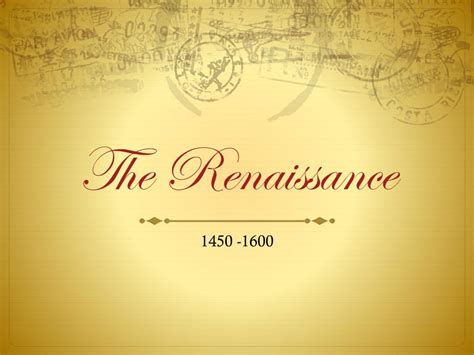
The Renaissance was a time of great cultural and intellectual transformation in Italy. The movement saw a resurgence of interest in classical learning, with scholars and intellectuals seeking to revive the knowledge and wisdom of ancient Greece and Rome. This led to a renewed focus on the study of Latin, Greek, and other classical languages, as well as the emergence of new intellectual disciplines such as humanism and philosophy. The Renaissance also witnessed the development of new artistic techniques and styles, such as the use of perspective and sfumato in painting, and the creation of highly realistic and detailed sculptures and architectures.
The Role of Patronage in the Renaissance
Patronage played a crucial role in the Renaissance, with wealthy and powerful individuals and families supporting the work of artists, writers, and thinkers. The Medici family, who were bankers and politicians in Florence, were among the most prominent patrons of the Renaissance, supporting the work of artists such as Botticelli and Michelangelo, and thinkers such as Galileo Galilei. Other notable patrons of the Renaissance included the Pope and the Catholic Church, who commissioned numerous artistic and architectural projects, including the construction of St. Peter’s Basilica in Rome.
| Notable Figures of the Renaissance | Contributions |
|---|---|
| Leonardo da Vinci | Artistic innovations, scientific discoveries, and engineering designs |
| Michelangelo | Sculptures, paintings, and architectural designs that exemplified the Renaissance style |
| Galileo Galilei | Scientific discoveries that laid the foundation for modern physics and astronomy |
| Botticelli | Paintings that exemplified the Renaissance style, including "The Birth of Venus" |
| Lorenzo de' Medici | Poetic and literary works that reflected the humanist values of the Renaissance |
The Legacy of the Renaissance
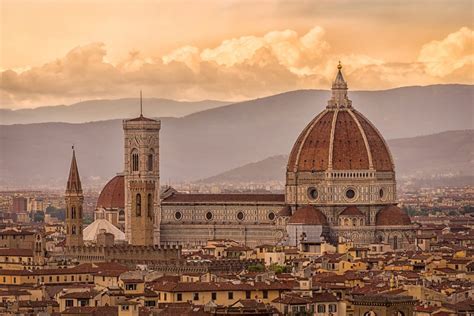
The Renaissance had a profound impact on Western culture and society, helping to lay the foundation for the modern era. The movement’s emphasis on humanism, individualism, and intellectual curiosity helped to promote a culture of innovation and experimentation, which in turn led to numerous scientific, artistic, and literary breakthroughs. The Renaissance also saw the emergence of new social and political structures, including the rise of powerful city-states and the development of modern nation-states. Today, the legacy of the Renaissance can be seen in the art, literature, and science of the modern world, and its influence continues to be felt in fields such as art, architecture, literature, and philosophy.
What were the main characteristics of the Renaissance?
+The Renaissance was characterized by a revival of classical Greek and Roman culture, as well as an emphasis on humanism, individualism, and intellectual curiosity. The movement saw the emergence of new artistic techniques and styles, as well as numerous scientific, literary, and philosophical breakthroughs.
Who were some of the most notable figures of the Renaissance?
+Some of the most notable figures of the Renaissance included Leonardo da Vinci, Michelangelo, Galileo Galilei, Botticelli, and Lorenzo de’ Medici. These individuals made significant contributions to art, science, literature, and philosophy, and helped to shape the cultural and intellectual landscape of the modern era.
What was the significance of the Renaissance in terms of its impact on Western culture and society?
+The Renaissance had a profound impact on Western culture and society, helping to lay the foundation for the modern era. The movement’s emphasis on humanism, individualism, and intellectual curiosity helped to promote a culture of innovation and experimentation, which in turn led to numerous scientific, artistic, and literary breakthroughs. The Renaissance also saw the emergence of new social and political structures, including the rise of powerful city-states and the development of modern nation-states.