
Capital murder, also known as capital homicide, is a criminal offense that is punishable by death or life imprisonment without the possibility of parole. It is typically defined as the intentional and premeditated killing of another human being, often with aggravating circumstances that make the crime particularly heinous or deserving of the most severe punishment. The specific definition and penalties for capital murder vary by jurisdiction, but it is generally considered one of the most serious crimes that can be committed.
Elements of Capital Murder

To be considered capital murder, the following elements must typically be present: intent, premeditation, and deliberation. The perpetrator must have intended to kill the victim, and must have done so with a level of premeditation and deliberation that indicates a clear and conscious decision to take the victim’s life. Additionally, many jurisdictions require the presence of aggravating circumstances, such as the killing of a law enforcement officer, a child, or multiple victims.
Aggravating Circumstances
Aggravating circumstances are factors that make the crime of murder more severe and deserving of the death penalty. These can include: the killing of a law enforcement officer or other public official, the killing of a child or vulnerable adult, the killing of multiple victims, the use of torture or cruelty, and the commission of the crime in a particularly heinous or depraved manner. The presence of these aggravating circumstances can elevate the charge from murder to capital murder, and can make the perpetrator eligible for the death penalty.
| Aggravating Circumstance | Description |
|---|---|
| Killing of a law enforcement officer | The intentional killing of a police officer or other law enforcement official. |
| Killing of a child or vulnerable adult | The intentional killing of a child under the age of 12 or a vulnerable adult, such as someone with a disability. |
| Killing of multiple victims | The intentional killing of multiple people, such as in a mass shooting or serial killing. |
| Use of torture or cruelty | The use of torture or cruelty in the commission of the crime, such as prolonged suffering or mutilation. |
| Heinous or depraved manner | The commission of the crime in a particularly heinous or depraved manner, such as with excessive violence or brutality. |
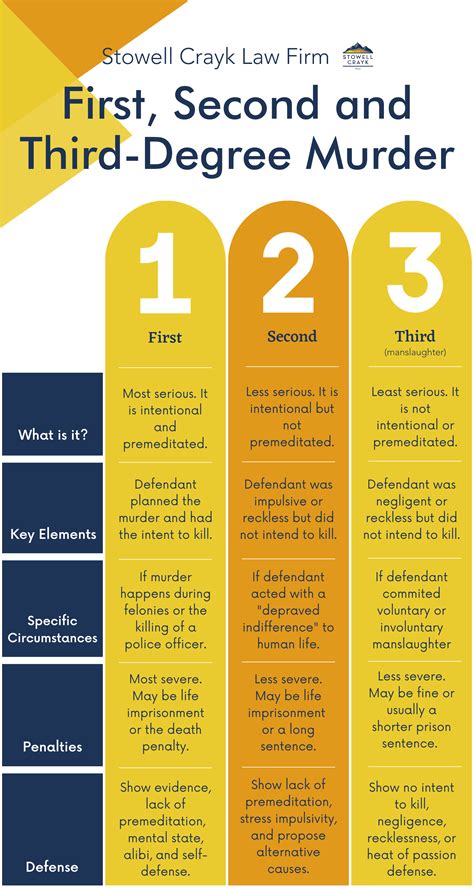
Key Points
- Capital murder is a criminal offense punishable by death or life imprisonment without parole.
- The elements of capital murder include intent, premeditation, and deliberation.
- Aggravating circumstances, such as the killing of a law enforcement officer or child, can elevate the charge to capital murder.
- The presence of aggravating circumstances can make the perpetrator eligible for the death penalty.
- The specific definition and penalties for capital murder vary by jurisdiction.
Penalties for Capital Murder

The penalties for capital murder vary by jurisdiction, but can include the death penalty, life imprisonment without the possibility of parole, and lengthy prison sentences. In some jurisdictions, the death penalty is mandatory for capital murder, while in others it is optional. The decision to impose the death penalty is typically made by a jury or judge, and is based on a weighing of aggravating and mitigating circumstances.
Mitigating Circumstances
Mitigating circumstances are factors that can reduce the severity of the sentence, such as the perpetrator’s youth, mental illness, or lack of prior criminal history. These circumstances can be presented as evidence during the sentencing phase of the trial, and can influence the decision of the jury or judge. The presence of mitigating circumstances can reduce the likelihood of the death penalty, and can result in a lesser sentence.
In conclusion, capital murder is a serious criminal offense that is punishable by death or life imprisonment without parole. The elements of capital murder include intent, premeditation, and deliberation, and the presence of aggravating circumstances can elevate the charge to a capital offense. The penalties for capital murder vary by jurisdiction, but can include the death penalty, life imprisonment without parole, and lengthy prison sentences. As a domain expert in criminal law, it's essential to understand the nuances of capital murder and the various aggravating and mitigating circumstances that can influence the outcome of a trial.
What is the difference between murder and capital murder?
+Murder is the intentional killing of another human being, while capital murder is a more severe form of murder that is punishable by death or life imprisonment without parole. Capital murder typically requires the presence of aggravating circumstances, such as the killing of a law enforcement officer or child.
What are some common aggravating circumstances in capital murder cases?
+Common aggravating circumstances in capital murder cases include the killing of a law enforcement officer, the killing of a child or vulnerable adult, the killing of multiple victims, the use of torture or cruelty, and the commission of the crime in a particularly heinous or depraved manner.
Can the death penalty be imposed for capital murder?
+Yes, the death penalty can be imposed for capital murder in some jurisdictions. The decision to impose the death penalty is typically made by a jury or judge, and is based on a weighing of aggravating and mitigating circumstances.