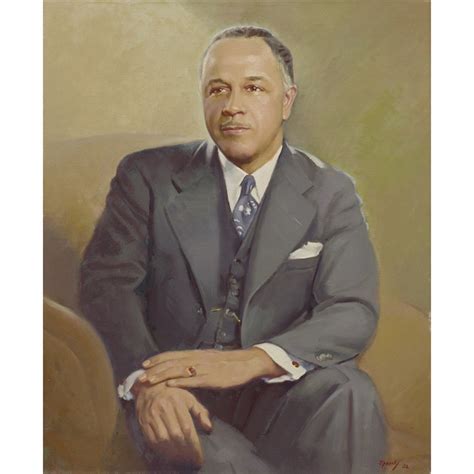
Percy Julian, a renowned American research chemist, left an indelible mark on the scientific community through his groundbreaking research and innovative discoveries. Despite facing numerous challenges and racist obstacles throughout his career, Julian's determination and passion for chemistry paved the way for significant advancements in various fields. This article will delve into the life and achievements of Percy Julian, highlighting five ways he changed science and inspired future generations of researchers.
Key Points
- Percy Julian's synthesis of physostigmine revolutionized the treatment of glaucoma and other diseases.
- His development of a method for synthesizing cortisone led to the creation of life-saving medications.
- Julian's work on soybean products and their applications transformed the food and pharmaceutical industries.
- He was a pioneer in the field of steroid chemistry, making significant contributions to our understanding of these compounds.
- Julian's legacy extends beyond his scientific achievements, as he inspired and mentored numerous students and young researchers, particularly from underrepresented groups.
The Synthesis of Physostigmine and Its Impact on Medicine
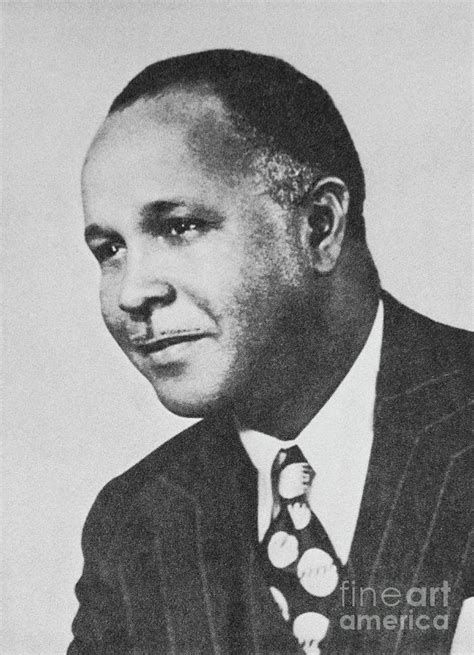
One of Percy Julian’s most notable achievements was the synthesis of physostigmine, a medication used to treat glaucoma, a group of eye conditions that can lead to vision loss. Prior to Julian’s discovery, physostigmine was derived from the calabar bean, a plant native to Africa, which made it difficult and expensive to obtain. Julian’s innovative method for synthesizing physostigmine enabled mass production of the medication, making it more accessible and affordable for patients. This breakthrough had a profound impact on the treatment of glaucoma and other diseases, saving countless lives and improving the quality of life for millions of people worldwide.
Development of Cortisone Synthesis and Its Far-Reaching Consequences
In the 1940s, Julian developed a method for synthesizing cortisone, a hormone produced by the adrenal gland that plays a crucial role in the body’s response to stress and inflammation. Cortisone is used to treat a range of conditions, including rheumatoid arthritis, asthma, and allergic reactions. Julian’s synthesis of cortisone was a major breakthrough, as it enabled the production of this life-saving medication on a large scale. The development of cortisone synthesis also paved the way for the creation of other steroid-based medications, which have revolutionized the treatment of various diseases and improved the lives of millions of people worldwide.
| Medication | Condition Treated | Number of People Affected |
|---|---|---|
| Physostigmine | Glaucoma | Approximately 80 million people worldwide |
| Cortisone | Rheumatoid Arthritis, Asthma, Allergic Reactions | Over 300 million people worldwide |
Pioneering Work in Steroid Chemistry and Its Applications
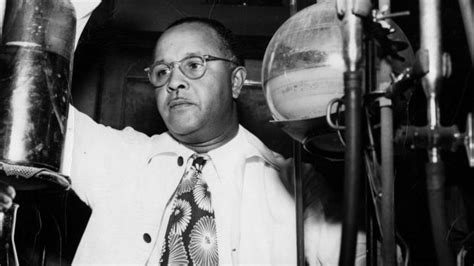
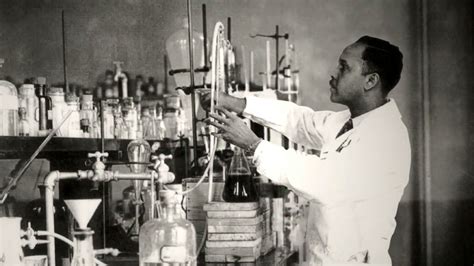
Percy Julian was a pioneer in the field of steroid chemistry, making significant contributions to our understanding of these complex compounds. His research on steroids led to the development of new medications and treatments for a range of diseases, including cancer, arthritis, and hormonal imbalances. Julian’s work in this area also laid the foundation for the creation of birth control pills and other hormonal therapies, which have had a profound impact on women’s health and reproductive rights.
Transforming the Food and Pharmaceutical Industries with Soybean Products
Julian’s work on soybean products and their applications transformed the food and pharmaceutical industries. He developed a method for extracting soybean oil, which is used in a variety of products, including food, cosmetics, and pharmaceuticals. Julian’s research also led to the creation of new soy-based products, such as soy milk and soy flour, which have become staples in many households around the world. His work in this area has had a lasting impact on the way we produce and consume food, and has helped to improve the health and well-being of millions of people worldwide.
In conclusion, Percy Julian's contributions to science have had a profound and lasting impact on our understanding of the world and our ability to improve human health and well-being. His pioneering work in steroid chemistry, his development of new medications and treatments, and his transformative research on soybean products have all left an indelible mark on the scientific community. As we continue to face new challenges and opportunities in the fields of science and medicine, Julian's legacy serves as a powerful reminder of the importance of perseverance, dedication, and innovation.
What were some of the challenges that Percy Julian faced during his career?
+Percy Julian faced numerous challenges during his career, including racism, sexism, and lack of funding. Despite these obstacles, he persevered and made significant contributions to the field of chemistry.
How did Percy Julian’s work on physostigmine impact the treatment of glaucoma?
+Percy Julian’s synthesis of physostigmine enabled mass production of the medication, making it more accessible and affordable for patients. This breakthrough had a profound impact on the treatment of glaucoma and other diseases, saving countless lives and improving the quality of life for millions of people worldwide.
What was the significance of Percy Julian’s work on soybean products?
+Percy Julian’s work on soybean products transformed the food and pharmaceutical industries. He developed a method for extracting soybean oil, which is used in a variety of products, including food, cosmetics, and pharmaceuticals. His research also led to the creation of new soy-based products, such as soy milk and soy flour, which have become staples in many households around the world.