The National Provider Identifier (NPI) number is a unique, 10-digit identification number assigned to healthcare providers in the United States. The NPI number is used to identify healthcare providers in a standard way, making it easier to process claims, track patient care, and maintain accurate records. The Centers for Medicare and Medicaid Services (CMS) issues NPI numbers to eligible healthcare providers, including physicians, hospitals, clinics, and other medical facilities.
History and Purpose of NPI Numbers

The NPI number was introduced in 2004 as part of the Health Insurance Portability and Accountability Act (HIPAA) to improve the efficiency and accuracy of healthcare transactions. Prior to the introduction of NPI numbers, healthcare providers used various identifiers, such as Medicare provider numbers, state licenses, and tax identification numbers, which often led to confusion and errors. The NPI number has simplified the process of identifying healthcare providers, enabling easier communication and data exchange between providers, payers, and patients.
Types of NPI Numbers
There are two types of NPI numbers: Type 1 and Type 2. Type 1 NPI numbers are assigned to individual healthcare providers, such as physicians, dentists, and other solo practitioners. Type 2 NPI numbers are assigned to organizational providers, such as hospitals, clinics, and group practices. Both types of NPI numbers are used to identify healthcare providers and facilitate claims processing, patient care tracking, and other administrative tasks.
| NPI Type | Description |
|---|---|
| Type 1 | Individual healthcare providers (e.g., physicians, dentists) |
| Type 2 | Organizational providers (e.g., hospitals, clinics, group practices) |
Benefits of NPI Numbers
The use of NPI numbers has numerous benefits, including improved accuracy, efficiency, and security in healthcare transactions. Some of the key benefits of NPI numbers include:
- Reduced errors: NPI numbers help minimize errors in claims processing and patient care tracking, ensuring that healthcare providers receive accurate payments and patients receive proper care.
- Increased efficiency: NPI numbers simplify the process of identifying healthcare providers, enabling faster claims processing and reducing administrative burdens.
- Enhanced security: NPI numbers help protect patient information and prevent identity theft by ensuring that only authorized healthcare providers have access to sensitive patient data.
Key Points
- The NPI number is a unique, 10-digit identification number assigned to healthcare providers in the United States.
- NPI numbers are used to identify healthcare providers, process claims, and track patient care.
- There are two types of NPI numbers: Type 1 (individual providers) and Type 2 (organizational providers).
- NPI numbers have improved accuracy, efficiency, and security in healthcare transactions.
- Healthcare providers must obtain an NPI number to participate in federal healthcare programs and conduct electronic transactions.
Obtaining an NPI Number
To obtain an NPI number, healthcare providers must submit an application to the CMS. The application process typically involves providing required documentation, such as a valid state license, tax identification number, and other identifying information. Once the application is approved, the CMS assigns a unique NPI number to the healthcare provider.
Healthcare providers can apply for an NPI number through the CMS website or by contacting their local Medicare Administrative Contractor (MAC). The application process is relatively straightforward, but providers must ensure they meet the eligibility requirements and provide all necessary documentation to avoid delays or rejections.
NPI Number Lookup and Verification
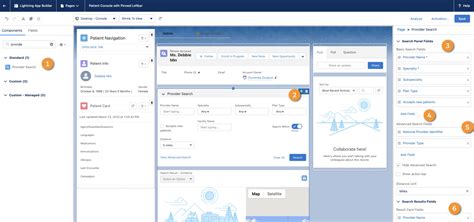
Healthcare providers, payers, and patients can verify NPI numbers using the CMS’s NPI Registry. The NPI Registry is a publicly available database that contains information on all assigned NPI numbers, including provider names, addresses, and other identifying details. Verifying NPI numbers helps ensure accurate claims processing, patient care tracking, and compliance with regulatory requirements.
What is the purpose of an NPI number?
+The primary purpose of an NPI number is to identify healthcare providers in a standard way, making it easier to process claims, track patient care, and maintain accurate records.
How do I obtain an NPI number?
+To obtain an NPI number, healthcare providers must submit an application to the CMS, providing required documentation, such as a valid state license and tax identification number.
Can I verify an NPI number?
+Yes, healthcare providers, payers, and patients can verify NPI numbers using the CMS's NPI Registry, a publicly available database containing information on all assigned NPI numbers.
In conclusion, NPI numbers play a vital role in the US healthcare system, enabling accurate identification of healthcare providers, efficient claims processing, and improved patient care tracking. By understanding the purpose, benefits, and application process for NPI numbers, healthcare providers can ensure compliance with regulatory requirements and participate in federal healthcare programs.