Stress testing a Graphics Processing Unit (GPU) is a crucial process for evaluating its performance, stability, and reliability under extreme conditions. This procedure helps in identifying potential issues, such as overheating, throttling, or faulty hardware, which can lead to system crashes, freezes, or even permanent damage. In this article, we will delve into the world of GPU stress testing, exploring the reasons behind it, the various methods and tools employed, and the importance of monitoring system parameters during the testing process.
Key Points
- GPU stress testing is essential for evaluating performance, stability, and reliability under extreme conditions.
- Various tools, such as FurMark, Unigine Heaven, and 3DMark, are used to stress test GPUs.
- Monitoring system parameters, like temperature, power consumption, and framerate, is crucial during testing.
- Stress testing can help identify potential issues, such as overheating, throttling, or faulty hardware.
- Regular stress testing can ensure optimal system performance and prevent damage to the GPU.
Why Stress Test a GPU?
GPUs are complex components that handle demanding tasks, such as gaming, video editing, and scientific simulations. Stress testing a GPU helps to:
- Identify potential issues before they cause system crashes or damage.
- Evaluate the GPU’s performance and stability under extreme conditions.
- Optimize system settings for optimal performance and power consumption.
- Compare the performance of different GPUs or system configurations.
By stress testing a GPU, users can ensure that their system is running smoothly, efficiently, and reliably, even during intense workloads.
Popular GPU Stress Testing Tools
Several tools are available for stress testing GPUs, each with its unique features and testing methods. Some popular options include:
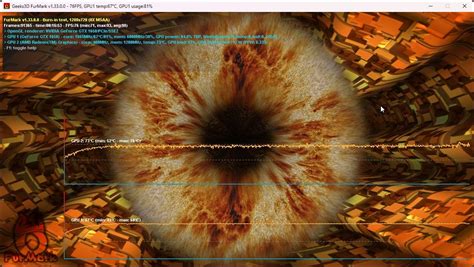
- FurMark: A widely used tool for stress testing GPUs, particularly for gaming and graphics-intensive workloads.
- Unigine Heaven: A benchmarking tool that tests GPU performance in a visually stunning and demanding environment.
- 3DMark: A comprehensive benchmarking suite that tests GPU performance in various scenarios, including gaming, video editing, and more.
- GPU Stress Test: A simple, yet effective tool for stress testing GPUs, with customizable testing options and real-time monitoring.
These tools can help users evaluate their GPU’s performance, identify potential issues, and optimize system settings for optimal performance.
| Tool | Description | Testing Method |
|---|---|---|
| FurMark | GPU stress testing tool | Graphics-intensive workload |
| Unigine Heaven | GPU benchmarking tool | Visually stunning environment |
| 3DMark | Comprehensive benchmarking suite | Various scenarios, including gaming and video editing |
| GPU Stress Test | Simple, yet effective stress testing tool | Customizable testing options and real-time monitoring |
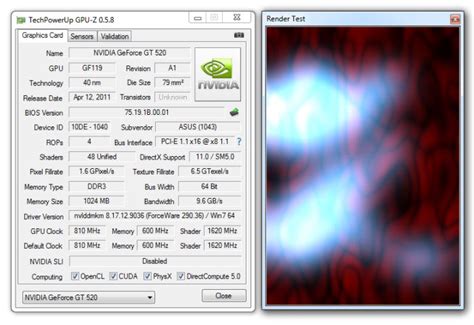
Monitoring System Parameters
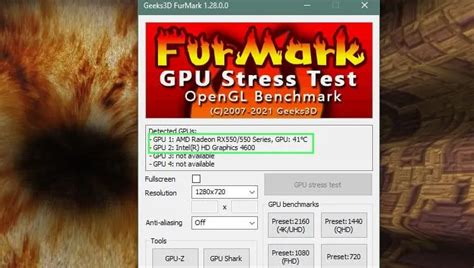
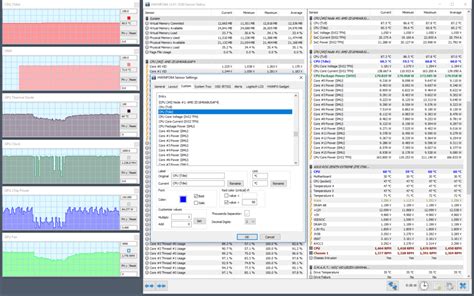
During GPU stress testing, it’s essential to monitor system parameters to ensure that the GPU is operating within safe limits. Some key parameters to monitor include:
- Temperature: GPU temperature should not exceed 90°C (194°F) to prevent overheating and damage.
- Power consumption: Monitor power consumption to ensure that the GPU is not drawing excessive power, which can lead to overheating or system instability.
- Framerate: Monitor framerate to ensure that the GPU is performing smoothly and efficiently, even during intense workloads.
- Memory usage: Monitor memory usage to ensure that the GPU has sufficient memory to handle demanding workloads.
By monitoring these parameters, users can identify potential issues before they cause system crashes or damage, and optimize system settings for optimal performance and reliability.
Best Practices for GPU Stress Testing
To ensure safe and effective GPU stress testing, follow these best practices:
- Use a high-quality power supply: Ensure that the power supply can handle the increased power demands during stress testing.
- Monitor system parameters: Keep a close eye on temperature, power consumption, framerate, and memory usage during testing.
- Use a stress testing tool: Choose a reputable stress testing tool that is designed for your specific GPU and workload.
- Run tests in a controlled environment: Ensure that the testing environment is controlled, with minimal background noise and stable system settings.
By following these best practices, users can ensure safe and effective GPU stress testing, and optimize their system for optimal performance and reliability.
What is the purpose of GPU stress testing?
+GPU stress testing is used to evaluate the performance, stability, and reliability of a GPU under extreme conditions, identifying potential issues before they cause system crashes or damage.
What are some popular GPU stress testing tools?
+Some popular GPU stress testing tools include FurMark, Unigine Heaven, 3DMark, and GPU Stress Test, each with its unique features and testing methods.
What system parameters should I monitor during GPU stress testing?
+Monitor temperature, power consumption, framerate, and memory usage to ensure that the GPU is operating within safe limits and performing smoothly and efficiently.
In conclusion, stress testing a GPU is a crucial process for evaluating its performance, stability, and reliability under extreme conditions. By using the right tools, monitoring system parameters, and following best practices, users can ensure safe and effective GPU stress testing, and optimize their system for optimal performance and reliability. Whether you’re a gamer, video editor, or scientist, GPU stress testing is an essential step in ensuring that your system is running smoothly and efficiently, even during intense workloads.