When it comes to character development in storytelling, the concept of static characters is often overlooked in favor of dynamic characters who undergo significant changes throughout the narrative. However, static characters play a crucial role in many stories, serving as foils to dynamic characters, providing comedic relief, or embodying the themes and values of the story. A static character is defined as a character who remains largely unchanged throughout the story, with their traits, beliefs, and behaviors remaining consistent from the beginning to the end. In this article, we will explore five tips for defining static characters in a way that makes them compelling and integral to your story.
Understanding the Role of Static Characters

Before we dive into the tips, it’s essential to understand the role of static characters in a story. Static characters can serve various purposes, such as providing a sense of continuity, offering a different perspective, or creating conflict with dynamic characters. They can also be used to highlight the changes in dynamic characters, making their transformations more noticeable and impactful. By understanding the role of static characters, you can create a more nuanced and engaging story.
Tip 1: Give Them a Clear Motivation
A well-defined motivation is crucial for a static character. Their motivation should be clear, concise, and consistent with their personality and traits. This motivation can be a goal, a value, or a desire that drives their actions and decisions throughout the story. For example, a static character might be motivated by a desire to protect their family, a sense of loyalty to their friends, or a need to prove themselves. By giving your static character a clear motivation, you can create a sense of direction and purpose, making them more relatable and engaging.
| Character Type | Motivation |
|---|---|
| Static Character | Clear, concise, and consistent motivation |
| Dynamic Character | Changing motivation or goal |

Tip 2: Make Them Consistent
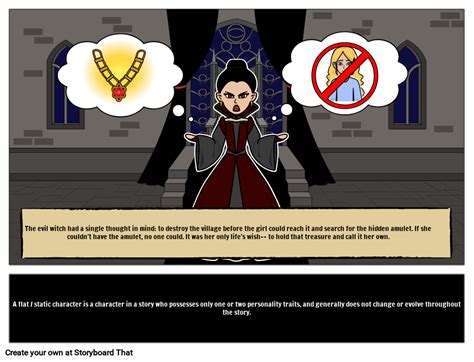
Consistency is key when it comes to static characters. Their traits, behaviors, and attitudes should remain consistent throughout the story, with no significant changes or deviations. This consistency can make them more predictable and relatable, allowing readers to understand their actions and decisions. However, it’s essential to avoid making them too predictable, as this can lead to boredom and disengagement. By striking a balance between consistency and surprise, you can create a static character that is both believable and engaging.
Tip 3: Use Them to Create Conflict
Static characters can be used to create conflict with dynamic characters, highlighting their differences and contrasting their motivations and goals. This conflict can be internal, with the dynamic character struggling to reconcile their changing beliefs with the static character’s consistent values. Alternatively, it can be external, with the static character resisting the dynamic character’s changes or challenging their new perspectives. By using static characters to create conflict, you can add tension and depth to your story, making it more engaging and immersive.
Key Points
- Static characters can serve as foils to dynamic characters, highlighting their differences and contrasting their motivations and goals.
- Consistency is key when defining a static character, with their traits, behaviors, and attitudes remaining consistent throughout the story.
- Static characters can be used to create conflict with dynamic characters, adding tension and depth to the story.
- A clear motivation is crucial for a static character, driving their actions and decisions throughout the story.
- Static characters can provide a sense of continuity and stability, offering a different perspective on the story and its themes.
Tip 4: Give Them a Rich Backstory
A rich backstory can make a static character more nuanced and interesting, providing insight into their motivations and behaviors. This backstory can include their history, relationships, and experiences, shaping their personality and traits. By giving your static character a rich backstory, you can create a sense of depth and complexity, making them more relatable and engaging. However, it’s essential to avoid info-dumping, where you provide too much information about the character’s backstory. Instead, reveal their history and experiences gradually, using subtle hints and suggestions to create a sense of mystery and intrigue.
Tip 5: Use Them to Highlight Thematic Resonance
Static characters can be used to highlight the thematic resonance of a story, embodying the values and ideas that the narrative explores. By making them a symbol of the story’s themes, you can create a sense of cohesion and unity, tying the different elements of the narrative together. For example, a static character might represent the importance of loyalty, the power of friendship, or the dangers of ambition. By using static characters to highlight thematic resonance, you can add depth and meaning to your story, making it more impactful and memorable.
What is the primary role of a static character in a story?
+The primary role of a static character is to provide a sense of continuity and stability, offering a different perspective on the story and its themes. They can also serve as foils to dynamic characters, highlighting their differences and contrasting their motivations and goals.
How can I make my static character more engaging and relatable?
+To make your static character more engaging and relatable, give them a clear motivation, make them consistent, and use them to create conflict with dynamic characters. You can also provide a rich backstory, using subtle hints and suggestions to create a sense of mystery and intrigue.
What is the difference between a static character and a dynamic character?
+A static character remains largely unchanged throughout the story, with their traits, behaviors, and attitudes remaining consistent. A dynamic character, on the other hand, undergoes significant changes, with their motivations and goals evolving over time.
In conclusion, defining a static character requires a deep understanding of their role in the story, their motivation, and their consistency. By following these five tips, you can create a static character that is compelling, relatable, and integral to your narrative. Remember to give them a clear motivation, make them consistent, use them to create conflict, provide a rich backstory, and use them to highlight thematic resonance. With these tips, you can add depth and complexity to your story, making it more engaging and immersive for your readers.