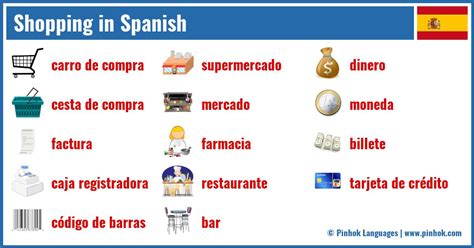
Shopping in a foreign country can be a daunting experience, especially when there's a language barrier. However, with some basic knowledge of Spanish and an understanding of local customs, you can navigate the shopping scene in Spain or Latin America with ease. As a seasoned traveler and language expert, I'll guide you through the essentials of shopping in Spanish, from grocery shopping to bargaining at markets.
Basic Spanish Phrases for Shopping
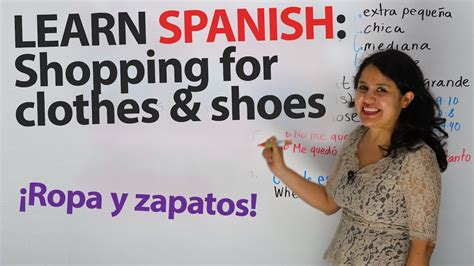
To get started, it’s essential to learn some basic Spanish phrases that will help you communicate with shopkeepers and vendors. Here are a few phrases to get you started: ¿Cuánto cuesta? (How much does it cost?) Me gustaría… (I would like…) ¿Dónde está…? (Where is…) ¿Habla inglés? (Do you speak English?) With these phrases, you’ll be able to ask for prices, express your interest in a product, and even ask for directions.
Shopping at Markets
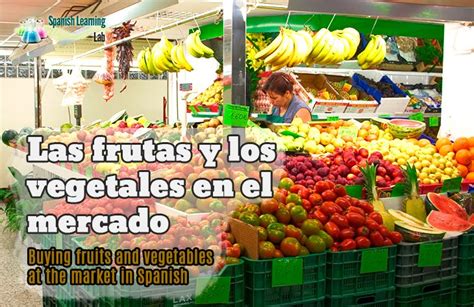
Markets are a great place to practice your Spanish skills and immerse yourself in local culture. You’ll find everything from fresh produce to handmade crafts, and the prices are often negotiable. When shopping at markets, it’s customary to bargain or regatear. This means you’ll need to be prepared to negotiate the price of the item you’re interested in. Here are a few tips to keep in mind:
- Start with a lower offer than you’re willing to pay
- Be respectful and polite when negotiating
- Be prepared to walk away if the price isn’t right
| Market Terms | English Translation |
|---|---|
| La feria | The market |
| El vendedor | The seller |
| El precio | The price |
| La calidad | The quality |
Shopping at Grocery Stores
Grocery shopping in Spain or Latin America can be a bit different than what you’re used to. Here are a few things to keep in mind: La tienda de comestibles (the grocery store) usually has a wide selection of fresh produce, meats, and dairy products. You’ll also find a variety of productos básicos (staples) like rice, beans, and pasta. When shopping for groceries, it’s a good idea to llevar una lista (make a list) to ensure you don’t forget anything.
Paying and Tipping
When it comes to paying for your purchases, you’ll usually have the option to pay with cash or credit card. It’s always a good idea to llevar efectivo (have cash) on hand, especially at smaller markets or shops. Tipping is not expected but is always appreciated. A few coins or a small bill is sufficient.
Key Points
- Learn basic Spanish phrases to communicate with shopkeepers and vendors
- Bargaining is a normal part of the market experience
- Be respectful and polite when negotiating prices
- Grocery shopping in Spain or Latin America may require some adaptation
- Paying with cash is often preferred, especially at smaller markets or shops
With these tips and phrases, you'll be well on your way to navigating the shopping scene in Spain or Latin America. Remember to stay flexible, be patient, and always be respectful of local customs and traditions. ¡Buena suerte con tus compras! (Good luck with your shopping!)
What are some essential Spanish phrases for shopping?
+Some essential Spanish phrases for shopping include ¿Cuánto cuesta? (How much does it cost?), Me gustaría... (I would like...), and ¿Dónde está...? (Where is...).
How do I bargain at markets in Spain or Latin America?
+To bargain at markets, start with a lower offer than you're willing to pay, be respectful and polite, and be prepared to walk away if the price isn't right.
What should I know about grocery shopping in Spain or Latin America?
+Grocery shopping in Spain or Latin America may require some adaptation, including making a list and being prepared to pay with cash.
Meta description suggestion: Learn the essentials of shopping in Spanish, from basic phrases to bargaining at markets, and navigate the shopping scene in Spain or Latin America with confidence. (149 characters)