The significance of Lord Rama's avatar is deeply rooted in Hindu mythology and philosophy, embodying the ideals of dharma, duty, and righteousness. As the seventh incarnation of Lord Vishnu, Rama's story, as narrated in the Ramayana, serves as a guiding light for individuals seeking to understand the intricacies of human nature, the importance of moral principles, and the path to spiritual enlightenment. With his birth, life, and reign, Rama exemplifies the perfection of human conduct, making his avatar a cornerstone of Hinduism and a subject of enduring fascination across cultures.
The Purpose of Lord Rama’s Avatar

The primary purpose of Lord Rama’s avatar was to vanquish the demon king Ravana, who had obtained a boon from Lord Brahma that made him invincible to the gods and other celestial beings. Ravana’s reign of terror and his disregard for the principles of dharma had created chaos in the universe, necessitating divine intervention. Through his incarnation as Rama, Lord Vishnu aimed to restore balance, uphold the virtues of truth, justice, and duty, and demonstrate the ideals of human behavior that individuals should strive to emulate.
Rama’s Life and Teachings
Rama’s life is a testament to his unwavering commitment to dharma and his unshakeable resolve in the face of adversity. From his childhood, where he demonstrated extraordinary prowess and wisdom, to his exile, where he exemplified the virtues of obedience and self-control, Rama’s actions and decisions serve as a beacon of guidance for those seeking to lead a righteous life. His teachings, often conveyed through his interactions with other characters in the Ramayana, such as Lakshmana, Sita, and Hanuman, underscore the importance of loyalty, compassion, and the adherence to one’s duty, regardless of personal cost.
| Aspect of Rama's Life | Teachings and Significance |
|---|---|
| Exile and Separation from Sita | Demonstrates the virtue of self-control and the adherence to duty over personal desire. |
| Relationship with Lakshmana | Highlights the importance of loyalty, friendship, and the mutual support that exists between brothers. |
| Battle with Ravana | Serves as a metaphor for the eternal conflict between good and evil, with Rama's victory symbolizing the triumph of righteousness over adversity. |

Cultural and Philosophical Impact
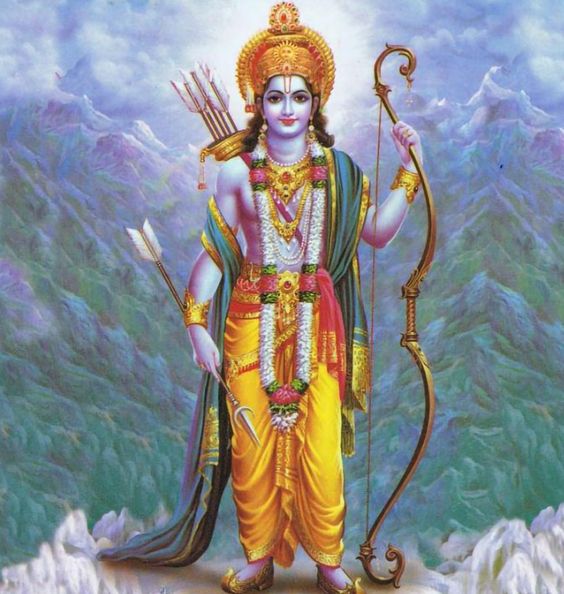
The significance of Lord Rama’s avatar extends far beyond the narrative of the Ramayana, influencing the cultural, philosophical, and spiritual landscapes of India and beyond. Rama’s ideals have shaped the Hindu concept of dharma, emphasizing the importance of duty, morality, and the pursuit of righteousness. His story has inspired countless works of art, literature, and performance, cementing his place as one of the most revered and beloved figures in Hindu mythology.
Universal Relevance and Timeless Appeal
Despite the cultural and historical context in which the Ramayana was written, Rama’s story retains a universal relevance and timeless appeal, transcending geographical and temporal boundaries. His struggles, emotions, and decisions resonate deeply with individuals from diverse backgrounds, offering insights into the human condition and the eternal quest for meaning, purpose, and fulfillment. The significance of Rama’s avatar lies in its ability to inspire, guide, and transform, making it an enduring and indispensable part of human heritage.
Key Points
- Rama's avatar signifies the importance of upholding dharma and the principles of righteousness in the face of adversity.
- His life and teachings serve as a model for human conduct, emphasizing the virtues of duty, loyalty, and self-control.
- The Ramayana, through Rama's story, explores the complexities of human nature, offering insights into the universal human experience.
- Rama's significance extends beyond Hindu mythology, influencing art, literature, and philosophy across cultures.
- His story retains a timeless appeal, resonating with individuals seeking guidance on the path to righteousness and spiritual enlightenment.
Philosophical and Spiritual Implications
The philosophical and spiritual implications of Lord Rama’s avatar are profound and far-reaching, inviting reflection on the nature of reality, the human condition, and the path to liberation. Through his experiences and teachings, Rama embodies the ideals of Advaita Vedanta, a school of Hindu philosophy that emphasizes the non-dual nature of reality and the ultimate goal of realizing one’s true self. His story serves as a reminder of the importance of cultivating virtues, overcoming ego and desire, and striving for self-realization.
Realization and Liberation
Rama’s journey, from his coronation as the king of Ayodhya to his eventual realization of his divine nature, symbolizes the journey of the individual self (jiva) towards liberation (moksha). His story illustrates the challenges and obstacles that one must overcome on the path to self-realization, including the conquest of internal enemies such as desire, anger, and ignorance. Through his example, Rama teaches the importance of detachment, equanimity, and the cultivation of a pure heart, guiding individuals towards the attainment of spiritual liberation.
What is the primary purpose of Lord Rama's avatar?
+The primary purpose of Lord Rama's avatar was to vanquish the demon king Ravana and restore balance and dharma in the universe.
What teachings can be derived from Rama's life and experiences?
+Rama's life teaches the importance of duty, loyalty, self-control, and the adherence to dharma, regardless of personal cost or adversity.
What is the cultural and philosophical impact of Lord Rama's avatar?
+The significance of Lord Rama's avatar has profoundly influenced Hindu culture, philosophy, and spirituality, shaping the concept of dharma and inspiring countless works of art and literature.
In conclusion, the significance of Lord Rama’s avatar is a multifaceted and profound concept that has been woven into the fabric of Hindu mythology, philosophy, and culture. Through his life, teachings, and legacy, Rama continues to inspire, guide, and transform individuals, offering a timeless and universal message of hope, redemption, and spiritual enlightenment. As a symbol of righteousness, duty, and the triumph of good over evil, Rama’s avatar remains an indispensable part of human heritage, inviting reflection, contemplation, and spiritual growth.