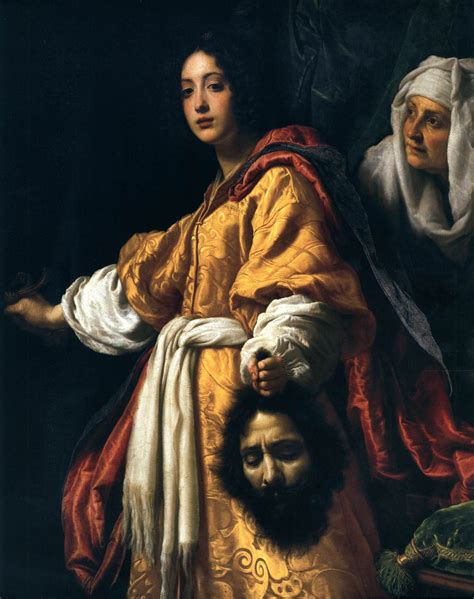
Judith is a figure of great significance in various fields, including history, art, and literature. To understand her importance, it's essential to delve into the details of her life and the impact she has had on different domains. Here are five key facts about Judith that highlight her relevance and the enduring interest she inspires.
Historical Context and Biblical Significance

Judith is perhaps best known from the biblical book that bears her name, which is part of the Catholic and Eastern Orthodox Christian Old Testament but is not found in the Hebrew Bible or most Protestant Bibles. This book tells the story of Judith, a beautiful and pious widow who lives in the Jewish city of Bethulia. The city is under siege by the Assyrian general Holofernes, who is attempting to conquer Judah. Judith’s bravery and cunning lead her to infiltrate the Assyrian camp, where she beheads Holofernes, thereby saving her city and people from destruction.
Artistic Depictions and Cultural Impact
Judith’s story has been a rich source of inspiration for artists throughout history. Her bravery, beauty, and the dramatic act of beheading Holofernes have been depicted in countless paintings, sculptures, and other forms of art. Artists such as Caravaggio, Artemisia Gentileschi, and Lucas Cranach the Elder have all been drawn to her story, each interpreting it in their unique style. These depictions not only reflect Judith’s significance in religious contexts but also her enduring presence in cultural and artistic discourse.
| Artist | Work | Year |
|---|---|---|
| Caravaggio | Judith Beheading Holofernes | 1602 |
| Artemisia Gentileschi | Judith Slaying Holofernes | 1620 |
| Lucas Cranach the Elder | Judith with the Head of Holofernes | 1530 |

Literary Interpretations and Symbolism

Beyond her depiction in art, Judith has also been the subject of numerous literary interpretations. Her character has been seen as a symbol of virtue, courage, and the power of the underdog. In literature, Judith’s story has been retold and reinterpreted in various forms, from poetry to drama, each offering a unique perspective on her character and the themes her story embodies. These interpretations often explore the tension between gender roles, religious faith, and political power, making Judith a complex and multifaceted figure in literary analysis.
Historical and Cultural Legacy
Judith’s legacy extends into the historical and cultural realms, where she is remembered not only for her bravery but also for her wit and strategic thinking. Her ability to navigate a dangerous political landscape, using her intelligence and charm to achieve her goals, has made her a figure of admiration and study. In many cultures, Judith is seen as a model of female empowerment, demonstrating that even in the most challenging circumstances, intelligence, courage, and determination can lead to triumph over adversity.
Key Points
- Judith is a biblical figure known for her bravery and cunning in saving her city from the Assyrian general Holofernes.
- Her story has been a source of inspiration for numerous artworks, highlighting her cultural and artistic significance.
- Judith's character symbolizes feminine power, intelligence, and courage, making her a subject of interest in literary and historical analyses.
- She is remembered for her strategic thinking and ability to navigate complex political situations, serving as a model of female empowerment.
- Judith's story has been interpreted in various ways across different cultures and disciplines, reflecting her enduring impact on human imagination and discourse.
In conclusion, Judith's story and legacy are multifaceted, influencing art, literature, history, and cultural discourse. Her bravery, intelligence, and determination have made her a timeless figure, inspiring generations with her example of virtue and courage in the face of overwhelming odds.
What is the biblical context of Judith’s story?
+Judith’s story is found in the deuterocanonical book of Judith, which is part of the Catholic and Eastern Orthodox Christian Old Testament. The story takes place during the Assyrian siege of the Jewish city of Bethulia.
How has Judith been depicted in art throughout history?
+Judith has been a popular subject in art, depicted by famous artists such as Caravaggio, Artemisia Gentileschi, and Lucas Cranach the Elder. These depictions often focus on the moment of her beheading Holofernes or her escape from the Assyrian camp.
What symbolic significance does Judith hold in cultural and literary analyses?
+Judith is seen as a symbol of feminine power, courage, and intelligence. Her story explores themes of gender, faith, and political power, making her a complex and multifaceted figure in literary and cultural studies.