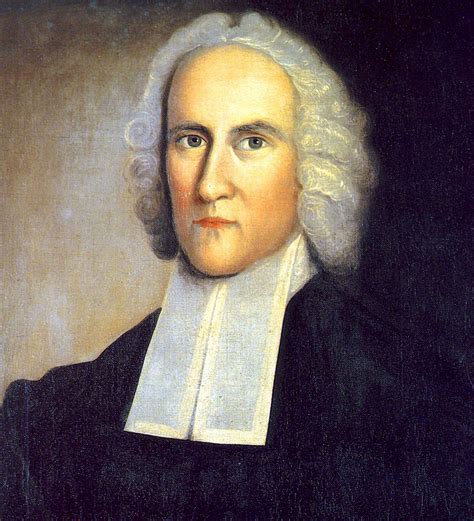
Jonathan Edwards, a prominent American theologian and pastor, is widely regarded for his influential contributions to Christian theology. His works, which span various aspects of theology, philosophy, and spirituality, continue to shape theological discussions and debates. The following discussion will delve into five key points of Edwards' theology, providing an in-depth examination of his thoughts on the nature of God, the human condition, salvation, the role of the Holy Spirit, and the concept of hell.
Key Points
- Nature of God: Edwards' view of God as a perfectly holy, just, and loving being, emphasizing the importance of understanding God's attributes in relation to human salvation.
- Human Condition: His perspective on human nature, highlighting the inherent sinfulness of humanity and the necessity of divine intervention for salvation.
- Salvation: Edwards' doctrine of salvation, which stresses the sovereignty of God in election and the role of faith and repentance in the salvation process.
- : The significance of the Holy Spirit in Edwards' theology, particularly in regeneration, sanctification, and the assurance of salvation.
- Concept of Hell: His views on the nature and purpose of hell, emphasizing eternal punishment as a consequence of sin and a demonstration of God's justice.
Nature of God and Human Condition
Edwards’ theology is deeply rooted in his understanding of God’s nature. He often described God as a being of perfect holiness, justice, and love. According to Edwards, these attributes are not contradictory but complementary, each being essential to understanding God’s relationship with humanity. The holiness of God, for instance, is the foundation of God’s justice and love. This view of God has profound implications for Edwards’ understanding of the human condition. He believed that humanity, created in the image of God, has inherent value but is also inherently sinful due to the fall of Adam. This sinfulness corrupts every aspect of human nature, making humans unable to seek God on their own or to achieve salvation through their own efforts.
Salvation and the Sovereignty of God
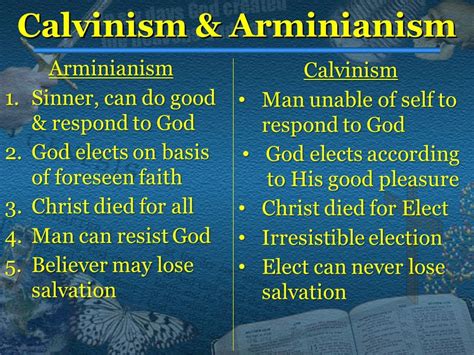
Edwards was a staunch advocate of the Reformed, or Calvinist, view of salvation, which emphasizes the sovereignty of God in the process of salvation. He believed that God, in His sovereignty, chooses those whom He will save, a doctrine known as predestination. This choice is not based on any foreseen merit or faith in those chosen but solely on God’s gracious and sovereign will. For Edwards, faith and repentance are necessary for salvation but are themselves the result of God’s gracious work in the heart of the believer. This perspective underscores the central role of God’s grace in salvation, emphasizing that salvation is entirely a work of God and not a result of human decision or effort.
| Aspects of Salvation | Edwards' View |
|---|---|
| Predestination | God's sovereign choice of those to be saved, based on His grace rather than human merit. |
| Faith and Repentance | Necessary for salvation, but themselves the result of God's gracious work. |
| Grace | The central and indispensable element in salvation, emphasizing God's initiative and sovereignty. |
The Role of the Holy Spirit
The Holy Spirit plays a pivotal role in Edwards’ theology, particularly in the processes of regeneration, sanctification, and the assurance of salvation. According to Edwards, regeneration, or the new birth, is the work of the Holy Spirit, wherein a person is given spiritual life and enabled to respond to God in faith. The Spirit also sanctifies believers, gradually conforming them to the image of Christ. Furthermore, the Holy Spirit provides assurance of salvation to believers, a doctrine that Edwards saw as crucial for the believer’s comfort and perseverance in the faith.
Concept of Hell
Edwards’ views on hell reflect his understanding of God’s justice and the consequences of sin. He believed that hell is a place of eternal punishment for those who reject God and remain in their sin. This punishment is not merely a passive consequence of sin but an active judgment of God, demonstrating His justice and holiness. For Edwards, the doctrine of hell serves as a warning to sinners of the gravity of their rebellion against God and as a motivation for repentance and faith in Christ. His most famous sermon, “Sinners in the Hands of an Angry God,” vividly portrays the horror of hell and the urgency of seeking salvation.
Meta Description: “Explore the depths of Jonathan Edwards’ theology, focusing on key points such as the nature of God, human condition, salvation, the role of the Holy Spirit, and the concept of hell, to understand the profound impact of his ideas on Christian thought and practice.”
What was Jonathan Edwards’ view on the nature of God?
+Jonathan Edwards viewed God as a perfectly holy, just, and loving being, with these attributes being inseparable and essential to understanding God’s relationship with humanity.
How did Edwards understand human nature and its relationship to sin?
+Edwards believed that humanity is inherently sinful due to the fall of Adam, corrupting every aspect of human nature and making humans unable to seek God or achieve salvation on their own.
What role did the Holy Spirit play in Edwards’ theology of salvation?
+The Holy Spirit was crucial for regeneration, giving spiritual life to believers, for sanctification, gradually conforming believers to the image of Christ, and for providing assurance of salvation.
How did Edwards view the concept of hell in relation to God’s justice and the human condition?
+Edwards saw hell as a demonstration of God’s justice, an eternal punishment for sin that serves as a warning to sinners and a motivation for repentance and faith in Christ.
What is the significance of Jonathan Edwards’ theology in modern Christian thought and practice?
+Edwards’ theology continues to influence Christian thought and practice by emphasizing the sovereignty of God in salvation, the importance of the Holy Spirit in the believer’s life, and the gravity of sin and the necessity of repentance and faith in Christ for salvation.