The Huang He, also known as the Yellow River, is one of the most iconic and historically significant rivers in the world. Flowing through the heart of China, it has played a crucial role in shaping the country's culture, economy, and environment. Here are five fascinating facts about the Huang He:
Geological Significance and Course
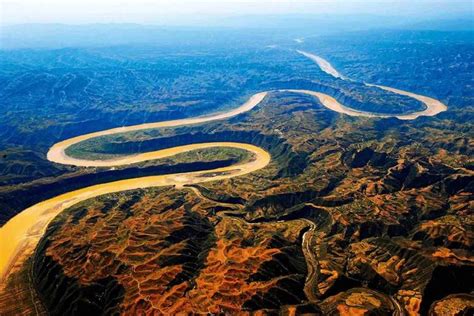
The Huang He is approximately 5,410 kilometers (3,364 miles) long, making it the sixth-longest river in the world. It originates in the Bayan Har Mountains in Qinghai Province, on the Tibetan Plateau, and flows through nine provinces before emptying into the Yellow Sea. The river’s course is not only remarkable for its length but also for the significant geological changes it has undergone over millions of years, including dramatic shifts in its delta region due to sedimentation and human intervention.
Historical and Cultural Importance
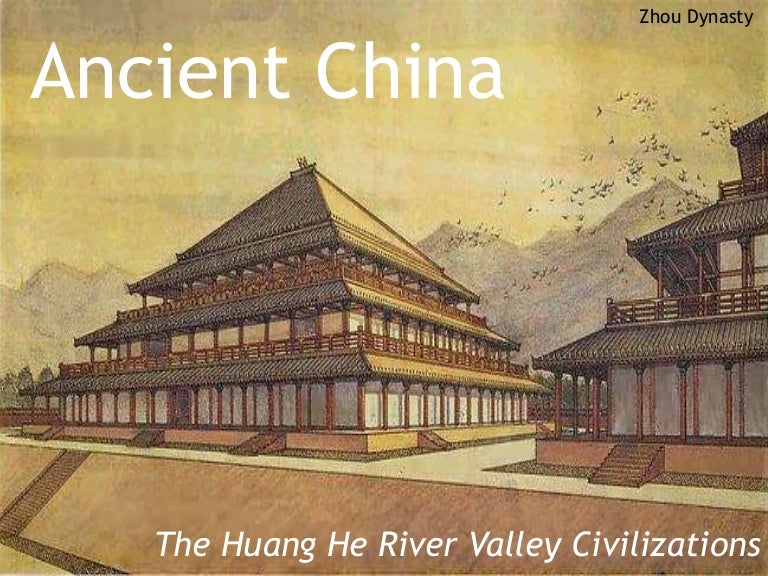
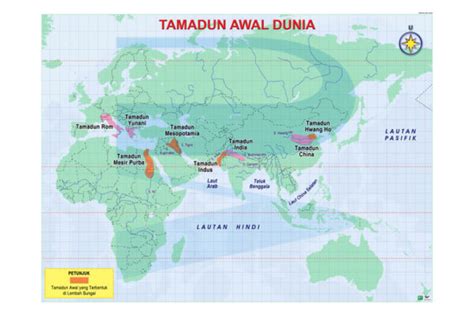
The Huang He is often referred to as the “cradle of Chinese civilization.” It has been the lifeline of ancient Chinese societies, supporting agriculture, industry, and urban development for thousands of years. The river’s basin is home to some of China’s most important historical sites, including the ancient capital cities of Xi’an and Luoyang. The Huang He has also been a source of inspiration for Chinese art, literature, and philosophy, symbolizing the power and unpredictability of nature.
| Aspect | Description |
|---|---|
| Length | Approximately 5,410 kilometers |
| Origin | Bayan Har Mountains, Qinghai Province |
| Significance | Cradle of Chinese civilization, supports agriculture and industry |
Key Points
- The Huang He is the sixth-longest river in the world, stretching approximately 5,410 kilometers.
- It is known as the "Yellow River" due to the large amount of silt it carries, which gives its water a distinctive yellow color.
- The river has been crucial for the development of Chinese civilization, supporting agriculture and urban settlements for thousands of years.
- The Huang He is prone to severe flooding, which has historically caused significant damage and loss of life, leading to extensive flood control measures.
- Despite its importance, the river faces environmental challenges, including pollution, over-extraction of water, and degradation of its ecosystem.
Environmental Challenges and Conservation Efforts
The Huang He faces numerous environmental challenges, including severe pollution from industrial and agricultural runoff, over-extraction of water for irrigation and drinking, and degradation of its natural habitats. These issues have significant impacts on the river’s ecosystem, affecting both the biodiversity of the region and the livelihoods of people dependent on the river. Efforts are being made to address these challenges, including the implementation of pollution control measures, the restoration of wetlands, and initiatives to promote more sustainable water management practices.
Economic and Industrial Significance
Beyond its historical and cultural significance, the Huang He plays a vital role in China’s economy. The river supports extensive agricultural production, with the fertile plains through which it flows being used for crops such as wheat, corn, and cotton. Additionally, the river is a source of hydroelectric power, with several major dams along its course, including the Sanmenxia Dam and the Xiaolangdi Dam. The river also facilitates industrial production and transportation, connecting inland regions with coastal ports and international markets.
In conclusion, the Huang He is a river of immense historical, cultural, and economic significance. Its impact on Chinese civilization and its continued importance in modern China make it a fascinating subject of study. As the country moves forward with conservation and management efforts, balancing the needs of economic development with environmental protection will be crucial for the long-term health of the river and the well-being of the communities that depend on it.
What is the origin of the Huang He?
+The Huang He originates in the Bayan Har Mountains in Qinghai Province, on the Tibetan Plateau.
Why is the Huang He important for Chinese civilization?
+The Huang He is considered the “cradle of Chinese civilization” because it has supported agriculture, industry, and urban development for thousands of years, making it crucial for the development of ancient Chinese societies.
What are some of the environmental challenges facing the Huang He?
+The Huang He faces challenges such as pollution from industrial and agricultural runoff, over-extraction of water, and degradation of its ecosystem, which impact the river’s biodiversity and the livelihoods of people dependent on it.