When it comes to managing nasal allergy symptoms, two popular over-the-counter (OTC) medications often come to mind: Flonase and Astepro. Both are designed to provide relief from congestion, runny nose, sneezing, and itchy nose or throat. However, they have distinct differences in terms of their active ingredients, mechanisms of action, and potential side effects. In this article, we will delve into the details of each medication, comparing their efficacy, safety profiles, and usage guidelines to help you make an informed decision about which one might be best for your specific needs.
Key Points
- Flonase contains fluticasone propionate, a corticosteroid, while Astepro contains azelastine hydrochloride, an antihistamine.
- Flonase is primarily used for the treatment of nasal congestion, runny nose, and sneezing, whereas Astepro is used for the relief of nasal congestion, runny nose, sneezing, and itchy nose or throat.
- Both medications are available over-the-counter, but they have different usage guidelines and potential side effects.
- Flonase is generally considered safe for use in adults and children aged 4 and older, while Astepro is approved for use in adults and children aged 6 and older.
- Head-to-head studies comparing the efficacy of Flonase and Astepro are limited, but both medications have been shown to be effective in reducing nasal allergy symptoms.
Active Ingredients and Mechanisms of Action

Flonase contains fluticasone propionate, a synthetic corticosteroid that works by reducing inflammation in the nasal passages. It is available as a nasal spray and is typically used once or twice daily. On the other hand, Astepro contains azelastine hydrochloride, a histamine receptor antagonist that provides relief from nasal allergy symptoms by blocking the action of histamine, a chemical released during an allergic reaction. Astepro is also available as a nasal spray and is usually used twice daily.
Efficacy and Safety Profiles
Studies have shown that both Flonase and Astepro are effective in reducing nasal allergy symptoms. Flonase has been demonstrated to reduce nasal congestion, runny nose, and sneezing, while Astepro has been shown to relieve nasal congestion, runny nose, sneezing, and itchy nose or throat. However, the safety profiles of the two medications differ. Flonase is generally considered safe, with common side effects including nasal dryness, nosebleeds, and headaches. Astepro, on the other hand, has been associated with a higher risk of drowsiness, dry mouth, and bitter taste.
| Medication | Active Ingredient | Usage Guidelines | Potential Side Effects |
|---|---|---|---|
| Flonase | Fluticasone propionate | Once or twice daily | Nasal dryness, nosebleeds, headaches |
| Astepro | Azelastine hydrochloride | Twice daily | Drowsiness, dry mouth, bitter taste |
Usage Guidelines and Precautions
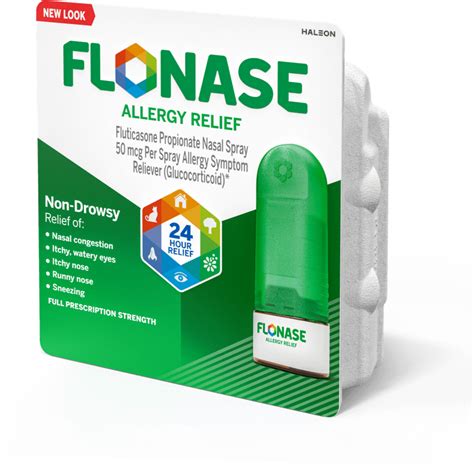
Both Flonase and Astepro are available over-the-counter, but they have different usage guidelines and precautions. Flonase is generally considered safe for use in adults and children aged 4 and older, while Astepro is approved for use in adults and children aged 6 and older. It’s essential to follow the recommended dosage and usage instructions for each medication to minimize the risk of side effects and ensure optimal efficacy.
Head-to-Head Comparison
While head-to-head studies comparing the efficacy of Flonase and Astepro are limited, both medications have been shown to be effective in reducing nasal allergy symptoms. A study published in the Journal of Allergy and Clinical Immunology found that Flonase was more effective in reducing nasal congestion, while Astepro was more effective in relieving itchy nose or throat symptoms. However, it’s essential to note that individual results may vary, and the best medication for you will depend on your specific needs and medical history.
What is the difference between Flonase and Astepro?
+Flonase contains fluticasone propionate, a corticosteroid, while Astepro contains azelastine hydrochloride, an antihistamine. Flonase is primarily used for the treatment of nasal congestion, runny nose, and sneezing, whereas Astepro is used for the relief of nasal congestion, runny nose, sneezing, and itchy nose or throat.
Which medication is more effective for itchy nose or throat symptoms?
+Astepro is more effective in relieving itchy nose or throat symptoms. According to a study published in the Journal of Allergy and Clinical Immunology, Astepro was more effective in reducing itchy nose or throat symptoms compared to Flonase.
Can I use Flonase and Astepro together?
+It's not recommended to use Flonase and Astepro together without consulting your doctor. Using multiple medications can increase the risk of side effects and interactions. Your doctor can help you determine the best treatment plan for your individual needs.
In conclusion, both Flonase and Astepro are effective medications for managing nasal allergy symptoms. While they have different active ingredients and mechanisms of action, they share a common goal of providing relief from congestion, runny nose, sneezing, and itchy nose or throat. By understanding the differences between these medications and considering your individual needs and medical history, you can make an informed decision about which one might be best for you. Always follow the recommended dosage and usage instructions, and consult your doctor if you have any questions or concerns.