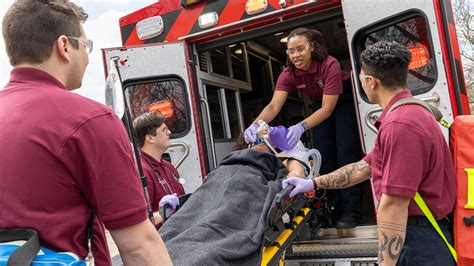
The Emergency Medical Technician (EMT) program is a comprehensive training initiative designed to equip individuals with the necessary skills and knowledge to provide emergency medical care in a variety of settings. As a critical component of the healthcare system, EMTs play a vital role in responding to medical emergencies, assessing patient conditions, and providing life-saving interventions. The EMT program is typically divided into several levels of training, each with its own unique set of requirements and competencies.
At the most basic level, EMT-Basic (EMT-B) training provides students with a foundation in patient assessment, trauma care, and medical emergency management. This level of training typically includes coursework in anatomy, physiology, and pharmacology, as well as hands-on training in skills such as patient assessment, airway management, and cardiac arrest management. EMT-B training is usually completed in a few months and is a prerequisite for more advanced levels of training.
Key Points
- EMT programs are designed to provide individuals with the skills and knowledge necessary to provide emergency medical care
- EMT-Basic training provides a foundation in patient assessment, trauma care, and medical emergency management
- Advanced EMT (AEMT) training builds on the skills and knowledge acquired in EMT-B training and includes additional coursework in pharmacology, cardiology, and medical emergencies
- Paramedic training is the most advanced level of EMT training and includes comprehensive coursework in anatomy, physiology, pharmacology, and cardiology, as well as hands-on training in advanced life support skills
- EMT programs are accredited by the Commission on Accreditation of Allied Health Education Programs (CAAHEP) and are subject to rigorous standards and guidelines
Advanced EMT Training
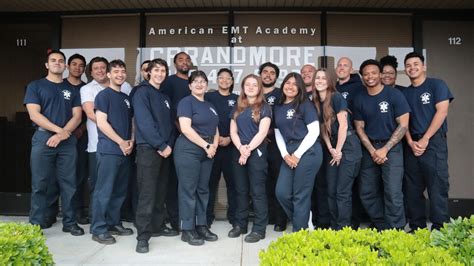
Advanced EMT (AEMT) training builds on the skills and knowledge acquired in EMT-B training and includes additional coursework in pharmacology, cardiology, and medical emergencies. AEMT training typically includes hands-on training in advanced skills such as intravenous therapy, medication administration, and advanced airway management. This level of training is designed to prepare individuals for more complex medical emergencies and is often required for positions in emergency medical services (EMS) systems.
AEMT training typically includes coursework in the following areas:
- Pharmacology: AEMT students learn about the principles of pharmacology, including medication administration, dosing, and potential side effects
- Cardiology: AEMT students learn about the principles of cardiology, including electrocardiogram (ECG) interpretation, cardiac rhythm recognition, and defibrillation
- Medical emergencies: AEMT students learn about the assessment and management of medical emergencies, including respiratory, cardiac, and neurological disorders
Paramedic Training
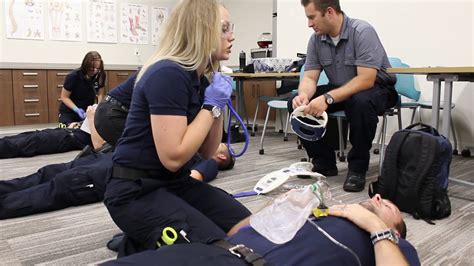
Paramedic training is the most advanced level of EMT training and includes comprehensive coursework in anatomy, physiology, pharmacology, and cardiology, as well as hands-on training in advanced life support skills. Paramedic training typically includes coursework in the following areas:
- Anatomy and physiology: Paramedic students learn about the structure and function of the human body, including the cardiovascular, respiratory, and nervous systems
- Pharmacology: Paramedic students learn about the principles of pharmacology, including medication administration, dosing, and potential side effects
- Cardiology: Paramedic students learn about the principles of cardiology, including ECG interpretation, cardiac rhythm recognition, and defibrillation
- Advanced life support skills: Paramedic students learn about advanced life support skills, including endotracheal intubation, cricothyrotomy, and thoracostomy
| EMT Level | Training Requirements | Skills and Knowledge |
|---|---|---|
| EMT-Basic | 120-150 hours of training | Patient assessment, trauma care, medical emergency management |
| Advanced EMT | 300-400 hours of training | Intravenous therapy, medication administration, advanced airway management |
| Paramedic | 1,200-1,800 hours of training | Comprehensive anatomy, physiology, pharmacology, and cardiology, advanced life support skills |
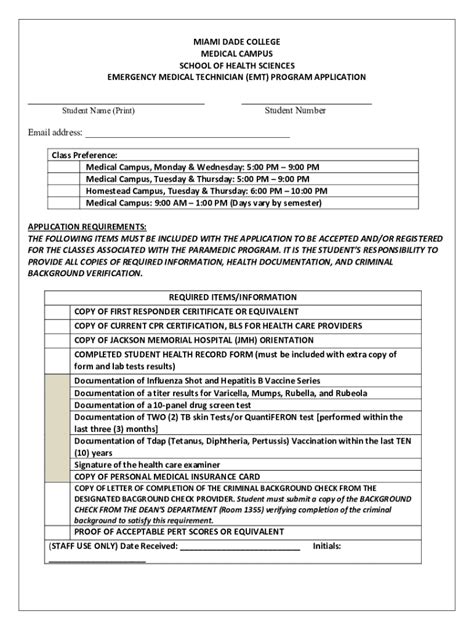
EMT Program Accreditation
EMT programs are accredited by the Commission on Accreditation of Allied Health Education Programs (CAAHEP) and are subject to rigorous standards and guidelines. CAAHEP accreditation ensures that EMT programs meet the highest standards of quality and provide students with the knowledge and skills necessary to succeed in the field of emergency medical services.
The accreditation process involves a comprehensive review of the EMT program, including its curriculum, faculty, and clinical training sites. The program must demonstrate that it meets the following standards:
- Curriculum: The program must have a comprehensive curriculum that covers the necessary skills and knowledge for EMT practice
- Faculty: The program must have qualified faculty with expertise in emergency medical services
- Clinical training sites: The program must have access to clinical training sites that provide students with hands-on experience in emergency medical services
EMT Certification
EMT certification is a critical step in the process of becoming an EMT. Certification is typically obtained through the National Registry of Emergency Medical Technicians (NREMT) and requires passing a written and practical examination. The NREMT certification examination is designed to assess the knowledge and skills of EMTs and ensure that they are competent to practice in the field of emergency medical services.
EMT certification is typically valid for two years and must be renewed through continuing education and recertification. The recertification process involves completing continuing education requirements and passing a recertification examination.
What is the difference between EMT-Basic and Advanced EMT training?
+EMT-Basic training provides a foundation in patient assessment, trauma care, and medical emergency management, while Advanced EMT training builds on these skills and includes additional coursework in pharmacology, cardiology, and medical emergencies.
How long does it take to complete an EMT program?
+The length of time it takes to complete an EMT program varies depending on the level of training and the institution offering the program. EMT-Basic training typically takes a few months to complete, while Advanced EMT and Paramedic training can take several months to a year or more to complete.
What is the job outlook for EMTs?
+The job outlook for EMTs is positive, with the Bureau of Labor Statistics predicting a 7% increase in employment opportunities for EMTs and paramedics from 2020 to 2030.
In conclusion, the Emergency Medical Technician program is a comprehensive training initiative designed to equip individuals with the necessary skills and knowledge to provide emergency medical care in a variety of settings. The various levels of EMT training, from EMT-Basic to Paramedic, are designed to prepare individuals for increasingly complex medical emergencies and provide a foundation for career advancement in the field of emergency medical services. With the job outlook for EMTs positive and the demand for skilled EMTs continuing to grow, the EMT program is an excellent choice for individuals interested in a career in emergency medical services.