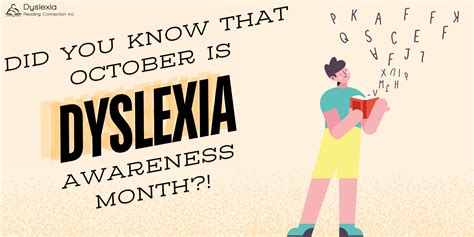
October is recognized as Dyslexia Awareness Month, a time to shed light on a learning difference that affects millions of people worldwide. Dyslexia, a neurological condition that impacts an individual's ability to read, write, and spell, is often misunderstood and stigmatized. Despite its prevalence, dyslexia remains a topic of concern for many educators, parents, and individuals who are affected by it. In this article, we will delve into the world of dyslexia, exploring its definition, symptoms, causes, and the latest research on this complex condition.
Understanding Dyslexia

Dyslexia is a specific learning disability that is characterized by difficulties with accurate and fluent word recognition, decoding, and spelling. It is estimated that approximately 10% of the global population has dyslexia, with boys being more likely to be affected than girls. The symptoms of dyslexia can vary from person to person, but common signs include difficulty with phonemic awareness, decoding, and fluency, as well as struggles with spelling, writing, and reading comprehension.
The Causes of Dyslexia
Research suggests that dyslexia is a neurobiological condition, caused by differences in the way the brain processes language. Studies have shown that individuals with dyslexia tend to have altered brain structure and function, particularly in areas responsible for language processing, such as the left inferior frontal gyrus and the left temporoparietal region. Additionally, genetic factors are thought to play a role in the development of dyslexia, with certain genetic variants being more common in individuals with the condition.
| Prevalence of Dyslexia | Estimated Percentage |
|---|---|
| Global Population | 10% |
| Boys | 12-15% |
| Girls | 6-9% |
Key Points
- Dyslexia is a neurobiological condition that affects approximately 10% of the global population.
- The symptoms of dyslexia can vary from person to person, but common signs include difficulty with phonemic awareness, decoding, and fluency.
- Research suggests that dyslexia is caused by differences in brain structure and function, as well as genetic factors.
- Early identification and intervention are critical in helping individuals with dyslexia to develop strategies for success.
- Assistive technology, such as text-to-speech software and audiobooks, can be highly effective in supporting individuals with dyslexia.
The Impact of Dyslexia on Daily Life

Dyslexia can have a significant impact on an individual’s daily life, affecting not only their academic performance but also their self-esteem, social relationships, and career prospects. Many individuals with dyslexia report feeling frustrated, anxious, and demotivated, particularly in situations where reading and writing are required. However, with the right support and accommodations, individuals with dyslexia can learn to adapt and thrive.
Strategies for Success
There are several strategies that can help individuals with dyslexia to succeed, including the use of assistive technology, such as text-to-speech software and audiobooks. Additionally, multisensory teaching methods, which incorporate visual, auditory, and kinesthetic approaches, can be highly effective in helping individuals with dyslexia to learn and retain information. Furthermore, providing extra time to complete assignments and exams, as well as offering one-on-one support and tutoring, can help to level the playing field and ensure that individuals with dyslexia have an equal opportunity to succeed.
In conclusion, Dyslexia Awareness Month provides an opportunity to raise awareness about this complex condition and to promote understanding, acceptance, and support. By recognizing the signs and symptoms of dyslexia, and by providing the right accommodations and support, we can help individuals with dyslexia to reach their full potential and to lead successful, fulfilling lives.
What is dyslexia, and how is it diagnosed?
+Dyslexia is a specific learning disability that is characterized by difficulties with accurate and fluent word recognition, decoding, and spelling. Diagnosis typically involves a comprehensive evaluation by a psychologist, educator, or other qualified professional, and may include assessments of reading and writing skills, as well as cognitive and academic abilities.
What are some common misconceptions about dyslexia?
+Common misconceptions about dyslexia include the idea that it is a result of poor teaching, lack of intelligence, or inadequate effort. Additionally, some people believe that dyslexia is a visual problem, and that individuals with dyslexia see words and letters backwards. However, research suggests that dyslexia is a neurobiological condition, and that it is not related to intelligence or visual processing.
What are some strategies for supporting individuals with dyslexia?
+Strategies for supporting individuals with dyslexia include the use of assistive technology, such as text-to-speech software and audiobooks, as well as multisensory teaching methods and one-on-one support and tutoring. Additionally, providing extra time to complete assignments and exams, and offering accommodations such as note-takers or readers, can help to level the playing field and ensure that individuals with dyslexia have an equal opportunity to succeed.
Meta Description: Dyslexia Awareness Month aims to raise awareness about dyslexia, a neurobiological condition that affects millions of people worldwide. Learn about the symptoms, causes, and strategies for success. (149 characters)