Dog owners are no strangers to the frustration and concern that comes with seeing their furry friend suffer from diarrhea. The condition can be caused by a variety of factors, including changes in diet, food allergies, infections, and even stress. When it comes to managing canine diarrhea, there are several dog anti-diarrhea medications available, each with its own set of benefits and potential side effects. In this article, we will delve into the world of dog anti-diarrhea medications, exploring the different types, their mechanisms of action, and what dog owners should know when considering these treatments for their pets.
Key Points
- Dog anti-diarrhea medications can be divided into several categories, including anti-inflammatory drugs, antibacterial agents, and intestinal protectants.
- The choice of medication depends on the underlying cause of the diarrhea, as well as the dog's age, health status, and medical history.
- It is crucial for dog owners to consult with a veterinarian before administering any medication to their pet, as improper use can lead to adverse effects or worsen the condition.
- Alongside medication, dietary changes and supportive care, such as ensuring the dog stays hydrated, are vital components of managing diarrhea in dogs.
- Preventing diarrhea through a balanced diet, regular veterinary check-ups, and maintaining a clean environment can significantly reduce the need for anti-diarrhea medications.
Types of Dog Anti-Diarrhea Medications
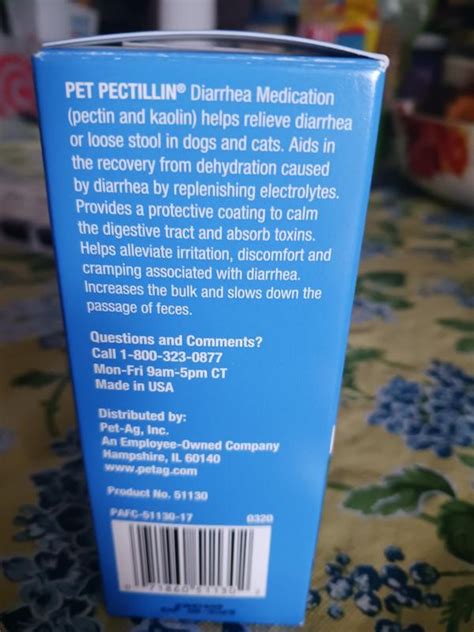
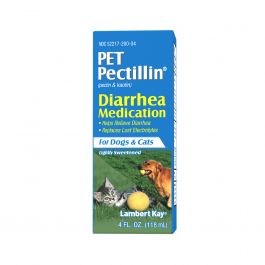
Dog anti-diarrhea medications can be broadly classified based on their mechanism of action and the type of diarrhea they are intended to treat. For instance, metronidazole is an antibiotic that is effective against bacterial causes of diarrhea, while kaolin and pectin are intestinal protectants that help to firm up stool and reduce the frequency of bowel movements. Loperamide, commonly known as Imodium, is another type of medication used to slow bowel movements and manage diarrhea, but it should be used with caution and under veterinary guidance due to potential side effects.
Anti-Inflammatory Drugs
Anti-inflammatory drugs, such as corticosteroids, can be prescribed in cases where the diarrhea is caused by inflammation of the bowel. These medications work by reducing the inflammation and suppressing the immune system’s response. However, their use must be carefully monitored due to potential side effects, especially with long-term administration. The dosage and duration of treatment will depend on the dog’s condition, age, and the veterinarian’s professional judgment.
| Medication Type | Common Use | Potential Side Effects |
|---|---|---|
| Metronidazole | Bacterial diarrhea | Nausea, vomiting, diarrhea, lethargy |
| Kaolin/Pectin | Intestinal protector | Constipation, bowel obstruction (rare) |
| Loperamide | Slow bowel movements | Constipation, lethargy, vomiting |
Dietary Changes and Supportive Care

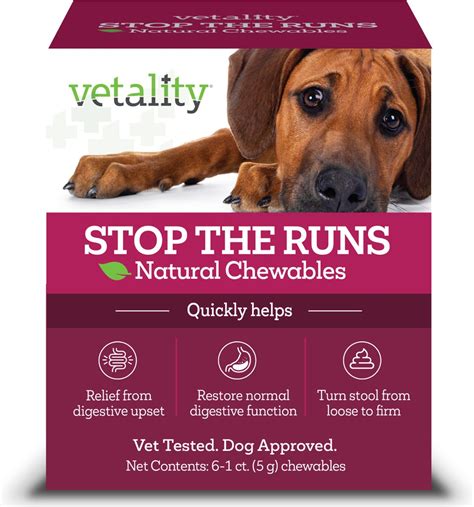
Beyond medication, dietary adjustments play a critical role in managing canine diarrhea. Feeding a bland diet that is easy on the stomach, such as boiled chicken and rice, can help firm up stool and reduce the frequency of bowel movements. Ensuring the dog has access to plenty of fresh water is also vital to prevent dehydration. In some cases, probiotics may be recommended to help restore the balance of gut bacteria, which can be beneficial in resolving diarrhea and preventing future episodes.
Prevention Strategies
Preventing diarrhea from occurring in the first place is the most effective strategy. This can be achieved through a combination of providing a balanced and nutritious diet, ensuring regular veterinary check-ups, keeping the dog’s environment clean, and avoiding sudden changes in diet or environment that can stress the dog and lead to diarrhea. Moreover, keeping the dog up to date with vaccinations and parasite control measures can prevent infections that may cause diarrhea.
What are the common causes of diarrhea in dogs?
+Dog diarrhea can be caused by dietary changes, food allergies, bacterial or viral infections, parasites, and stress, among other factors. A thorough veterinary examination is necessary to determine the underlying cause.
Can I give my dog human anti-diarrhea medication?
+No, it is not recommended to give your dog human anti-diarrhea medication without consulting a veterinarian. Human medications can be toxic to dogs, and the dosage and type of medication needed can vary significantly.
How can I prevent my dog from getting diarrhea?
+Preventing diarrhea involves providing a balanced diet, ensuring regular veterinary check-ups, keeping the environment clean, avoiding sudden dietary changes, and maintaining up-to-date vaccinations and parasite control.
In conclusion, managing canine diarrhea requires a comprehensive approach that includes the use of appropriate medications, dietary adjustments, and supportive care. Dog owners should work closely with their veterinarians to determine the best course of treatment and to implement preventive strategies that promote their dog’s gastrointestinal health and overall well-being. By understanding the different types of dog anti-diarrhea medications, their uses, and potential side effects, dog owners can make informed decisions and provide the best possible care for their pets.