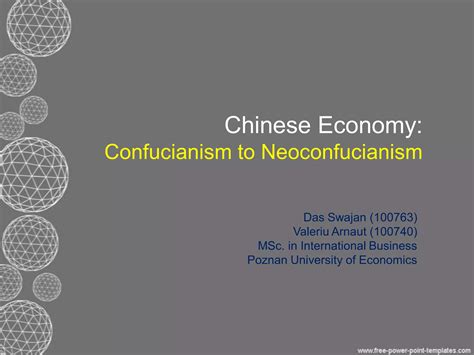
Neoconfucianism, a philosophical and ethical system that emerged in China during the Song dynasty (960-1279 AD), has had a profound impact on East Asian thought and culture. This school of thought, which emphasizes personal and governmental morality, correctness of social relationships, justice, and sincerity, offers valuable insights into how individuals can cultivate themselves to become junzi, or exemplary persons. Here are five tips inspired by Neoconfucianism that can help individuals cultivate their character and live a more virtuous life.
Key Points
- Cultivate self-reflection and introspection to understand your strengths and weaknesses
- Practice ren, or benevolence, by showing empathy and compassion towards others
- Develop a strong sense of yi, or righteousness, to guide your decisions and actions
- Nurture your relationships with others through the practice of li, or etiquette and propriety
- Pursue wisdom and knowledge through the study of classical texts and the exploration of the natural world
The Importance of Self-Cultivation in Neoconfucianism
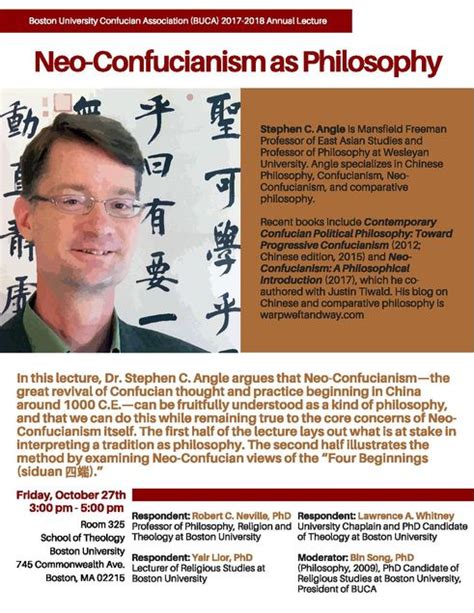
At the heart of Neoconfucianism is the concept of self-cultivation, or the process of developing one’s character and virtues through education, self-reflection, and practice. This involves cultivating a strong sense of self-awareness, recognizing one’s strengths and weaknesses, and working to improve oneself through continuous learning and self-refinement. By focusing on self-cultivation, individuals can develop the qualities necessary to become junzi, or exemplary persons, who embody the virtues of ren, yi, li, and zhi, or wisdom.
Practicing Ren, or Benevolence, in Daily Life
One of the key virtues in Neoconfucianism is ren, or benevolence, which involves showing empathy and compassion towards others. This can be practiced in daily life by being kind and considerate towards those around us, whether it’s a family member, friend, or stranger. By cultivating a sense of ren, individuals can develop stronger, more meaningful relationships with others and create a more harmonious and supportive community. For example, volunteering one’s time to help those in need or simply listening to someone who needs to talk can be powerful ways to practice ren and make a positive impact on the world.
| Virtue | Description |
|---|---|
| Ren | Benevolence, empathy, and compassion towards others |
| Yi | Righteousness, justice, and morality |
| Li | Etiquette, propriety, and respect for social norms |
| Zhi | Wisdom, knowledge, and discernment |
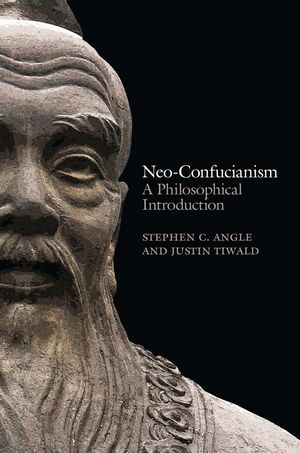
The Role of Education in Neoconfucian Self-Cultivation
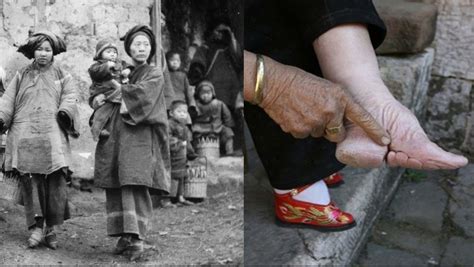
Education plays a critical role in Neoconfucian self-cultivation, as it provides individuals with the knowledge and wisdom necessary to develop their virtues and become junzi. This involves the study of classical texts, such as the Analects of Confucius and the Works of Mencius, as well as the exploration of the natural world and the cultivation of practical skills. By pursuing education and knowledge, individuals can develop a deeper understanding of the world and their place in it, and cultivate the wisdom and discernment necessary to make informed decisions and live a virtuous life.
Overcoming Obstacles and Challenges on the Path to Self-Cultivation
While the path to self-cultivation in Neoconfucianism can be rewarding and fulfilling, it is not without its challenges and obstacles. Individuals may face difficulties in developing their virtues, such as struggling with self-doubt or overcoming bad habits. However, by persevering and remaining committed to their goals, individuals can overcome these challenges and continue to grow and develop as persons. As the Neoconfucian philosopher Wang Yangming once said, “To learn and at the same time to practice what one has learned, is this not a pleasure?” This quote highlights the importance of balancing knowledge and action in Neoconfucian self-cultivation, and how this balance can help individuals overcome obstacles and achieve their goals.
What is the main goal of Neoconfucian self-cultivation?
+The main goal of Neoconfucian self-cultivation is to develop the virtues and character necessary to become a junzi, or exemplary person, who embodies the virtues of ren, yi, li, and zhi.
How can I practice ren, or benevolence, in my daily life?
+You can practice ren by being kind and considerate towards those around you, whether it's a family member, friend, or stranger. This can involve volunteering your time to help those in need, listening to someone who needs to talk, or simply being present for someone who needs support.
What is the role of education in Neoconfucian self-cultivation?
+Education plays a critical role in Neoconfucian self-cultivation, as it provides individuals with the knowledge and wisdom necessary to develop their virtues and become junzi. This involves the study of classical texts, the exploration of the natural world, and the cultivation of practical skills.
In conclusion, Neoconfucianism offers a rich and nuanced philosophy for living a virtuous and fulfilling life. By cultivating the virtues of ren, yi, li, and zhi, and pursuing education and knowledge, individuals can develop the character and wisdom necessary to become junzi, or exemplary persons. Whether through the practice of self-reflection, the cultivation of benevolence, or the pursuit of wisdom, Neoconfucianism provides a powerful framework for personal growth and development, and offers insights and principles that can be applied in a wide range of contexts and situations.