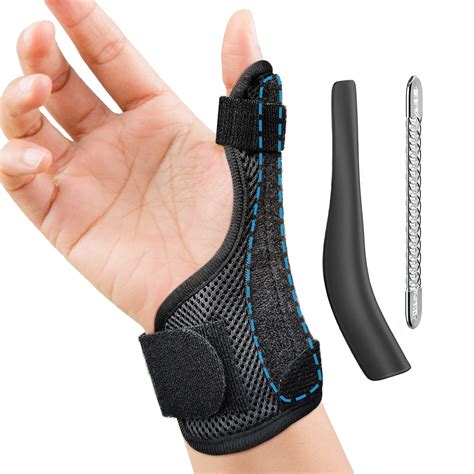
De Quervain syndrome, also known as De Quervain tenosynovitis, is a condition that affects the tendons on the thumb side of your wrist. It occurs when the tendons around the base of the thumb are constricted or irritated, leading to pain and tenderness, especially when forming a fist, grasping, or turning the wrist. The management and treatment of De Quervain syndrome can be enhanced with the use of various medical devices, which can provide support, reduce strain on the affected tendons, and facilitate rehabilitation.
Key Points
- De Quervain syndrome is characterized by pain and tenderness on the thumb side of the wrist due to tendon irritation.
- Medical devices such as wrist splints, thumb spica splints, and orthotics can provide support and alleviate symptoms.
- Physical therapy and exercises play a crucial role in the rehabilitation of De Quervain syndrome, with devices like resistance bands and putty helping in strengthening exercises.
- Assistive technology, including adaptive utensils and grips, can aid in daily activities by reducing strain on the wrist and thumb.
- Early intervention and appropriate use of medical devices can significantly improve outcomes and reduce the risk of complications.
Medical Devices for Support and Rehabilitation
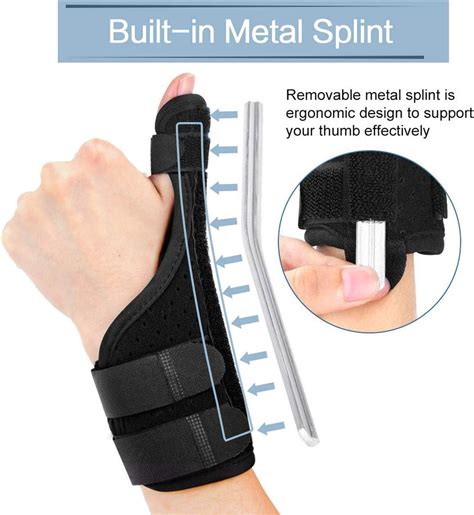
Medical devices are integral in the management of De Quervain syndrome, serving both as supportive measures to reduce discomfort and as rehabilitative tools to enhance recovery. Among the most commonly used devices are wrist splints and thumb spica splints. These splints work by immobilizing the wrist and thumb, thereby reducing the strain on the affected tendons and allowing them to heal. They are particularly beneficial during the acute phase of the condition, helping to alleviate pain and prevent further irritation.
Wrist Splints and Thumb Spica Splints
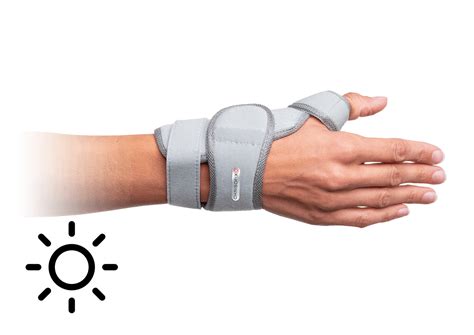
Wrist splints are designed to provide general support to the wrist, limiting excessive movement that could exacerbate the condition. Thumb spica splints, on the other hand, offer more specific support by immobilizing the thumb, which is directly involved in the pathology of De Quervain syndrome. These devices can be custom-made or prefabricated, with the choice depending on the individual’s specific needs and the severity of their condition.
| Device Type | Description | Benefits |
|---|---|---|
| Wrist Splint | General support to the wrist | Reduces strain on wrist tendons, alleviates pain |
| Thumb Spica Splint | Immobilizes the thumb | Specifically reduces strain on thumb tendons, allows for healing |
| Orthotics | Custom devices for wrist and thumb support | Provides tailored support, enhances rehabilitation outcomes |
Rehabilitation and Strengthening Devices
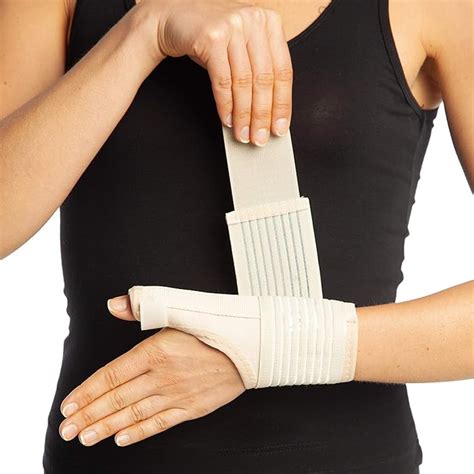
Once the acute phase of De Quervain syndrome has been managed, the focus shifts towards rehabilitation, aiming to restore the normal function of the wrist and thumb. Devices such as resistance bands and putty are invaluable in this phase, as they allow for graduated exercises that strengthen the muscles and tendons without causing excessive strain.
Resistance Bands and Putty
Resistance bands offer a versatile means of strengthening the wrist and thumb, with exercises tailored to the individual’s strength and flexibility. The bands provide a controlled resistance that can be adjusted as the patient progresses in their rehabilitation. Similarly, putty, which comes in various densities, can be used for finger and thumb exercises, helping to improve grip strength and dexterity.
Assistive Technology for Daily Activities
For individuals with De Quervain syndrome, performing daily activities can be challenging due to the pain and limited functionality of the wrist and thumb. Assistive technology, including adaptive utensils, grips, and devices that facilitate one-handed use, can significantly aid in managing these challenges. These tools are designed to reduce the strain on the affected wrist and thumb, allowing individuals to maintain their independence and quality of life.
Adaptive Utensils and Grips
Adaptive utensils, such as large-handled grips for kitchen tools or ergonomic handles for writing instruments, can make a substantial difference in the ease of performing daily tasks. These devices distribute the force and pressure more evenly, reducing the strain on the wrist and thumb. Moreover, grips and handles with non-slip surfaces can enhance control and stability, further reducing the risk of exacerbating the condition.
In conclusion, the use of medical devices plays a pivotal role in the management and rehabilitation of De Quervain syndrome. From supportive splints and orthotics to rehabilitative tools like resistance bands and putty, and assistive technology for daily activities, these devices can significantly enhance the recovery process and improve the quality of life for individuals affected by this condition. It is essential for healthcare professionals and patients to work together to identify the most appropriate devices and exercises, ensuring a tailored approach that addresses the specific needs and circumstances of each individual.
What are the primary symptoms of De Quervain syndrome?
+The primary symptoms include pain and tenderness on the thumb side of the wrist, especially when forming a fist, grasping, or turning the wrist.
How do wrist splints and thumb spica splints help in managing De Quervain syndrome?
+These splints provide support and immobilize the wrist and thumb, reducing strain on the affected tendons and allowing them to heal, which in turn alleviates pain and prevents further irritation.
What role does assistive technology play in the management of De Quervain syndrome?
+Assistive technology, including adaptive utensils and grips, aids in reducing the strain on the affected wrist and thumb during daily activities, thereby facilitating independence and improving the quality of life.