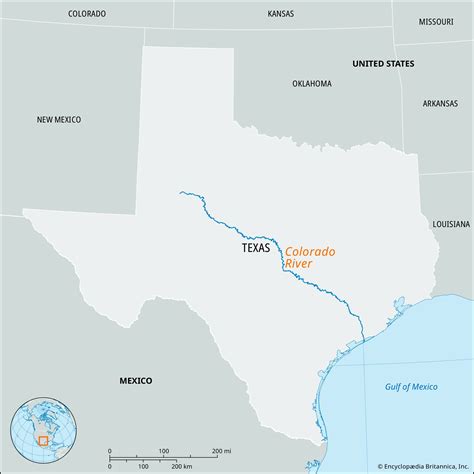
The Colorado River, not to be confused with the more famous river of the same name that flows through the Grand Canyon, is a significant waterway located in the southern United States, specifically in the state of Texas. This river originates in the northwest part of the state and flows southeast for approximately 862 miles (1,387 kilometers) before emptying into the Gulf of Mexico. The Colorado River in Texas plays a crucial role in the state's ecosystem, supporting a wide variety of plant and animal life, as well as serving as a vital source of water for both agricultural and urban areas.
Historically, the river has been a lifeline for the regions through which it flows, supporting the development of communities, industries, and agricultural practices. The river's basin covers a substantial portion of Texas, encompassing about 39,000 square miles (101,000 square kilometers), which includes parts of 14 different counties. The river itself passes through several significant cities, including Austin, the capital of Texas, where it has been a central feature of the city's landscape and recreational activities.
Key Points
- The Colorado River in Texas is approximately 862 miles (1,387 kilometers) long.
- It originates in the northwest part of Texas and flows southeast into the Gulf of Mexico.
- The river supports a diverse ecosystem and is a vital water source for agricultural and urban areas.
- It passes through several significant cities, including Austin, and plays a crucial role in the state's economy and recreation.
- The Colorado River's basin covers about 39,000 square miles (101,000 square kilometers) across 14 counties in Texas.
Ecological Significance and Challenges

The Colorado River in Texas is not only an essential part of the state’s natural landscape but also faces numerous ecological challenges. The river supports a wide variety of fish and wildlife, including several endangered species. However, it has been impacted by human activities such as damming, water diversion for irrigation and urban use, and pollution. These factors have altered the river’s natural flow and water quality, posing significant threats to the river’s ecosystem and the species that depend on it.
Conservation efforts are underway to protect and restore the river's natural habitats and improve its water quality. These efforts include initiatives to reduce pollution, protect and restore natural habitats, and manage water resources more sustainably. Balancing the needs of human populations with the need to preserve the river's ecological integrity is a complex challenge that requires careful planning, cooperation among different stakeholders, and a commitment to long-term sustainability.
Water Management and Usage
Water management is a critical issue for the Colorado River in Texas, given its importance as a source of water for both urban and agricultural areas. The river’s water is managed by the Lower Colorado River Authority (LCRA), which is responsible for ensuring that the water needs of the regions through which the river flows are met while also protecting the river’s ecosystem. This involves managing water storage in reservoirs, such as Lake Buchanan and Lake Travis, and regulating water releases to maintain a stable flow that supports both human uses and environmental needs.
| Water Usage Category | Percentage of Total Water Usage |
|---|---|
| Agricultural Irrigation | 70% |
| Municipal and Industrial | 20% |
| Recreational and Environmental | 5% |
| Other Uses | 5% |
Economic Importance and Recreational Activities
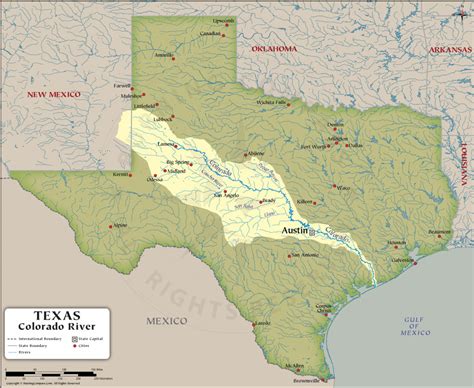
Beyond its ecological significance, the Colorado River in Texas also plays a crucial role in the state’s economy, particularly in terms of agriculture, tourism, and recreation. The river supports extensive agricultural activities, with crops such as cotton, corn, and wheat being irrigated using its water. Additionally, the river and its associated lakes and reservoirs offer numerous opportunities for recreational activities, including boating, fishing, and hiking, which attract tourists and support local economies.
The economic benefits of the Colorado River are substantial, with agriculture being a significant contributor. However, the river's value extends beyond economic metrics, as it also provides important recreational and aesthetic benefits. Preserving the river's health and ensuring its sustainable use are essential for maintaining these benefits and supporting the well-being of both local communities and the broader ecosystem.
Challenges and Future Directions
Despite its importance, the Colorado River in Texas faces several challenges, including drought, pollution, and the impacts of climate change. These factors can affect the river’s water quality, quantity, and the overall health of its ecosystem. Addressing these challenges will require coordinated efforts from stakeholders, including government agencies, local communities, and private organizations, to implement sustainable water management practices, reduce pollution, and protect natural habitats.
Looking forward, the management of the Colorado River will need to balance competing demands for water while protecting the river's ecological integrity. This may involve innovative solutions such as water-saving technologies, more efficient irrigation systems, and programs to restore and protect natural habitats along the river. By taking a proactive and sustainable approach to managing the Colorado River, Texas can ensure the long-term health of this vital resource and the many benefits it provides to both the environment and human communities.
What are the main challenges facing the Colorado River in Texas?
+The main challenges include drought, pollution, and the impacts of climate change, which can affect the river’s water quality and quantity, as well as the health of its ecosystem.
How is the water of the Colorado River managed?
+The water is managed by the Lower Colorado River Authority (LCRA), which regulates water storage, releases, and usage to meet human needs while protecting the river’s ecosystem.
What are the economic benefits of the Colorado River in Texas?
+The river supports significant agricultural activities and offers opportunities for tourism and recreation, contributing substantially to the local and state economy.