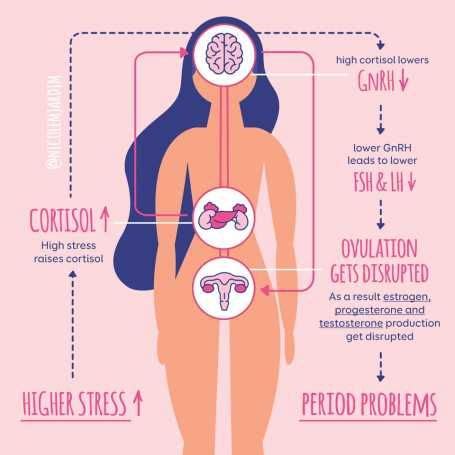
Stress is an inevitable part of life, and its effects on the body are multifaceted. One area where stress can have a significant impact is on the menstrual cycle. Many women have reported changes in their period due to stress, but the relationship between stress and menstruation is complex and influenced by various factors. To understand how stress affects your period, it's essential to delve into the physiological and hormonal aspects of the menstrual cycle and how stress interacts with these processes.
How Stress Impacts the Menstrual Cycle
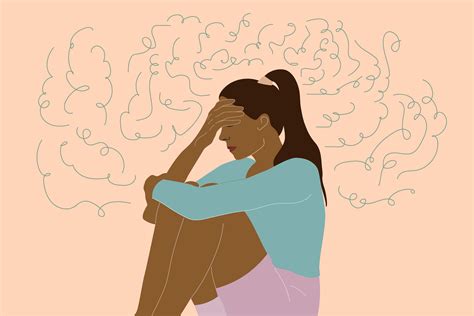
The menstrual cycle is regulated by a delicate balance of hormones, including estrogen and progesterone, which are controlled by the hypothalamic-pituitary-ovarian (HPO) axis. Stress can disrupt this balance by affecting the hypothalamus, a key player in the HPO axis. When you’re under stress, your body releases stress hormones like cortisol and adrenaline. These hormones are designed to help you respond to immediate threats, but chronically elevated levels can interfere with the normal functioning of the HPO axis.
The Role of Cortisol
Cortisol, often referred to as the “stress hormone,” has a suppressive effect on the reproductive system. High levels of cortisol can lead to a decrease in the production of gonadotropin-releasing hormone (GnRH), which is necessary for the release of luteinizing hormone (LH) and follicle-stimulating hormone (FSH) from the pituitary gland. LH and FSH are crucial for ovulation and the preparation of the uterus for a potential pregnancy. When their production is suppressed, it can lead to irregular menstrual cycles, including delayed or skipped periods.
| Stress Effects on Hormones | Description |
|---|---|
| Cortisol Increase | Suppresses GnRH production, affecting LH and FSH release |
| LH and FSH Decrease | Impacts ovulation and uterine preparation for pregnancy |
| Estrogen and Progesterone Imbalance | Can lead to irregular menstrual cycles, mood changes, and other symptoms |

Managing Stress for a Healthier Menstrual Cycle
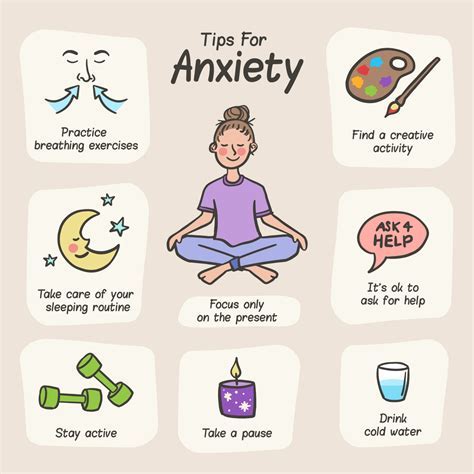
While it’s not possible to eliminate stress entirely, managing stress levels can help mitigate its effects on the menstrual cycle. Techniques such as meditation, yoga, and deep breathing exercises have been shown to reduce cortisol levels and promote hormonal balance. Additionally, maintaining a healthy lifestyle, including a balanced diet, regular exercise, and adequate sleep, can help support reproductive health and reduce the impact of stress on the menstrual cycle.
Key Points
- Stress can disrupt the menstrual cycle by affecting hormone production and balance.
- Cortisol, a stress hormone, can suppress GnRH, LH, and FSH production, leading to irregular periods.
- Individual factors, such as overall health and hormonal balance, influence how stress affects menstruation.
- Stress management techniques, like meditation and yoga, can help reduce cortisol levels and promote hormonal balance.
- Maintaining a healthy lifestyle supports reproductive health and can mitigate the effects of stress on the menstrual cycle.
In conclusion, stress can indeed affect your period, primarily by disrupting the delicate hormonal balance that regulates the menstrual cycle. Understanding the physiological mechanisms behind this relationship can help individuals take proactive steps towards managing stress and supporting their reproductive health. By acknowledging the complex interplay between stress, hormones, and the menstrual cycle, women can better navigate the challenges posed by stress and work towards achieving a healthier, more balanced life.
Can stress cause irregular periods?
+Yes, stress can cause irregular periods by affecting the balance of hormones that regulate the menstrual cycle. High levels of stress hormones like cortisol can suppress the production of hormones necessary for ovulation and menstruation, leading to delayed, skipped, or irregular periods.
How can I reduce the impact of stress on my menstrual cycle?
+Reducing the impact of stress on your menstrual cycle involves managing stress levels through techniques like meditation, yoga, and deep breathing exercises. Maintaining a healthy lifestyle, including a balanced diet, regular exercise, and adequate sleep, is also crucial for supporting reproductive health and mitigating the effects of stress on the menstrual cycle.
Is it normal for my period to be affected by stress?
+Yes, it's normal for stress to affect your period. The relationship between stress and menstruation is complex, and many women experience changes in their menstrual cycle due to stress. However, if you're experiencing persistent or severe irregularities, it's essential to consult with a healthcare provider to rule out any underlying conditions that may need medical attention.
Meta Description: Discover how stress affects your menstrual cycle and learn strategies to manage stress for a healthier period. Understand the physiological impact of stress on hormone balance and reproductive health.