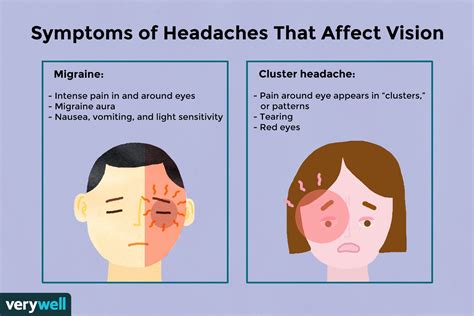
Blurry vision and headache are two common symptoms that can occur together, often leaving individuals feeling uncomfortable and concerned about their health. These symptoms can be caused by a variety of factors, ranging from mild and temporary conditions to more serious underlying health issues. It is essential to understand the potential causes and seek medical attention if the symptoms persist or worsen over time. In this article, we will delve into the possible reasons behind blurry vision and headaches, exploring the underlying mechanisms, diagnostic approaches, and treatment options available.
Key Points
- Blurry vision and headache can be symptoms of various conditions, including refractive errors, migraines, and dry eye syndrome.
- Underlying health issues such as high blood pressure, diabetes, and multiple sclerosis can also cause these symptoms.
- A comprehensive eye examination and medical history are crucial for accurate diagnosis and appropriate treatment.
- Lifestyle modifications, such as maintaining a healthy diet, staying hydrated, and managing stress, can help alleviate symptoms.
- In some cases, medication or surgical interventions may be necessary to address the underlying cause of blurry vision and headache.
Understanding the Causes of Blurry Vision and Headache

Blurry vision refers to the loss of sharpness and clarity in one’s visual field, making it difficult to see objects or read text. Headaches, on the other hand, are characterized by pain or discomfort in the head, scalp, or neck. When these symptoms occur together, it can be a sign of an underlying condition that affects the eyes, brain, or other systems in the body. Some common causes of blurry vision and headache include refractive errors, such as nearsightedness, farsightedness, or astigmatism, which can be corrected with glasses, contact lenses, or refractive surgery.
Refractive Errors and Blurry Vision
Refractive errors occur when the shape of the cornea or lens of the eye is irregular, causing light to focus incorrectly on the retina. This can lead to blurry vision, eye strain, and headaches. According to the National Eye Institute, approximately 150 million Americans use corrective eyewear to correct refractive errors. Myopia, or nearsightedness, is the most common refractive error, affecting an estimated 41.6% of the population. Regular eye examinations can help detect and correct refractive errors, alleviating symptoms of blurry vision and headache.
| Refractive Error | Prevalence |
|---|---|
| Myopia (Nearsightedness) | 41.6% |
| Hyperopia (Farsightedness) | 12.4% |
| Astigmatism | 36.2% |

Headaches and Blurry Vision: A Complex Relationship

Headaches can be a contributing factor to blurry vision, as pain and discomfort can affect the eyes and brain. Migraines, a type of headache disorder, can cause visual disturbances, including blurry vision, sensitivity to light, and eye pain. According to the Migraine Research Foundation, approximately 39 million Americans suffer from migraines, with women being more likely to experience them than men. In some cases, headaches can be a symptom of an underlying condition, such as a sinus infection or high blood pressure, which can also affect vision.
Other Causes of Blurry Vision and Headache
In addition to refractive errors and migraines, other conditions can cause blurry vision and headache. Dry eye syndrome, a common condition characterized by insufficient tear production or poor tear quality, can lead to eye irritation, blurry vision, and headaches. Multiple sclerosis, a chronic autoimmune disease, can cause vision problems, including blurry vision, double vision, and sensitivity to light, as well as headaches and fatigue. Diabetes can also cause blurry vision, as high blood sugar levels can damage the blood vessels in the eyes and affect vision.
Treatment and Management of Blurry Vision and Headache
Treatment for blurry vision and headache depends on the underlying cause of the symptoms. For refractive errors, corrective eyewear or refractive surgery can correct vision and alleviate symptoms. For migraines and other headache disorders, medication, lifestyle modifications, and stress management techniques can help reduce the frequency and severity of headaches. In cases where an underlying condition, such as diabetes or multiple sclerosis, is the cause of blurry vision and headache, treatment of the underlying condition is essential to manage symptoms and prevent further complications.
What are the most common causes of blurry vision and headache?
+The most common causes of blurry vision and headache include refractive errors, migraines, and dry eye syndrome. Underlying health issues, such as high blood pressure, diabetes, and multiple sclerosis, can also cause these symptoms.
How can I manage blurry vision and headache?
+Managing blurry vision and headache involves addressing the underlying cause of the symptoms. This can include corrective eyewear, medication, lifestyle modifications, and stress management techniques. In some cases, treatment of an underlying condition, such as diabetes or multiple sclerosis, is necessary to manage symptoms and prevent further complications.
When should I seek medical attention for blurry vision and headache?
+It is essential to seek medical attention if blurry vision and headache persist or worsen over time. If you experience sudden and severe symptoms, such as double vision, loss of vision, or severe headache, seek immediate medical attention.
In conclusion, blurry vision and headache are complex symptoms that can be caused by a variety of factors. Understanding the underlying causes and seeking medical attention if symptoms persist or worsen is crucial for accurate diagnosis and appropriate treatment. By addressing the root cause of these symptoms, individuals can alleviate discomfort, improve their quality of life, and prevent further complications.