Atrial fibrillation, often referred to as AFib, is a common type of arrhythmia characterized by an irregular and often rapid heart rate. This condition occurs when the upper chambers of the heart (atria) beat too quickly and irregularly, out of coordination with the lower chambers (ventricles) of the heart. The life expectancy of individuals with atrial fibrillation can vary significantly based on several factors, including the underlying cause of AFib, the presence of other health conditions, and how well the condition is managed. Understanding atrial fibrillation, its causes, symptoms, treatment options, and how it affects life expectancy is crucial for individuals living with this condition and their caregivers.
Understanding Atrial Fibrillation
Atrial fibrillation is not just a simple matter of the heart beating too fast; it is a complex condition that can increase the risk of stroke, heart failure, and other heart-related complications. AFib can be categorized into different types based on its duration, including paroxysmal (intermittent), persistent, long-standing persistent, and permanent. The symptoms of AFib can vary from person to person but often include palpitations, shortness of breath, weakness, fatigue, and chest pain. Some individuals may not experience any symptoms at all.
Key Points
- Atrial fibrillation is a type of arrhythmia that affects the heart's rhythm, leading to an irregular and often rapid heartbeat.
- The condition can increase the risk of stroke, heart failure, and other heart-related complications.
- Life expectancy with atrial fibrillation depends on several factors, including the underlying cause, presence of other health conditions, and effectiveness of treatment.
- Treatment options for AFib include medications, procedures like cardioversion and catheter ablation, and lifestyle modifications.
- Early detection and management of AFib are crucial for improving outcomes and reducing the risk of complications.
Causes and Risk Factors of Atrial Fibrillation
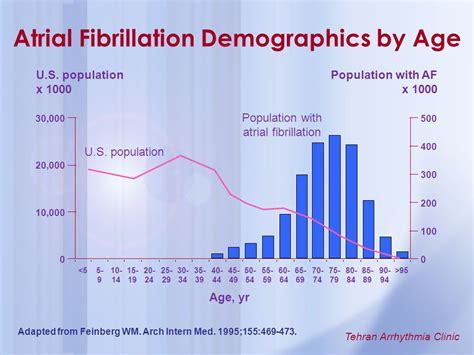
The causes of atrial fibrillation can be complex and multifactorial. Some of the most common risk factors include age, with the risk increasing significantly after the age of 65, high blood pressure, heart disease, obesity, smoking, excessive alcohol consumption, stress, and certain medical conditions such as hyperthyroidism. Understanding these risk factors is essential for preventing AFib in individuals who are at high risk and for managing the condition in those who have already been diagnosed.
| Risk Factor | Description |
|---|---|
| Age | The risk of developing AFib increases with age, especially after 65. |
| High Blood Pressure | Uncontrolled high blood pressure can increase the risk of AFib. |
| Heart Disease | Conditions like coronary artery disease, heart valve problems, and heart failure can increase the risk. |
| Obesity | Being overweight or obese can increase the risk of developing AFib. |
| Smoking and Alcohol | Smoking and excessive alcohol consumption can increase the risk of AFib. |
Treatment Options for Atrial Fibrillation
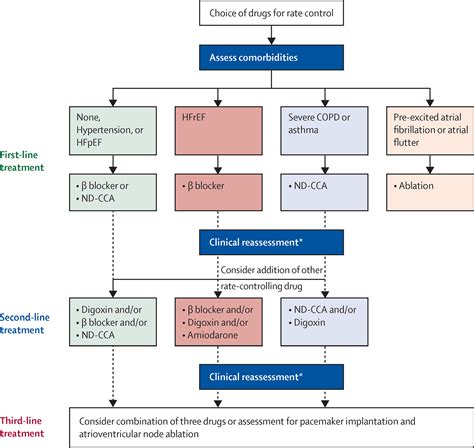
Treatment for atrial fibrillation is aimed at restoring a normal heart rhythm, controlling the heart rate, preventing stroke, and managing symptoms. Medications are often the first line of treatment and can include anti-arrhythmic drugs to restore a normal heart rhythm, rate-control medications to slow the heart rate, and anticoagulants to prevent blood clots and stroke. In some cases, procedures like cardioversion, which uses electrical shocks to restore a normal heart rhythm, or catheter ablation, which destroys the abnormal electrical pathways in the heart, may be recommended. Lifestyle modifications, including a healthy diet, regular physical activity, stress reduction, and avoidance of smoking and excessive alcohol, are also crucial components of AFib management.
Impact of Atrial Fibrillation on Life Expectancy
The impact of atrial fibrillation on life expectancy can vary widely depending on the individual’s overall health, the presence of other heart conditions, and how well the AFib is managed. Studies have shown that individuals with AFib are at an increased risk of mortality compared to those without the condition. However, with proper treatment and management, many people with AFib can lead active and normal lives. It’s also important to note that while AFib itself may not directly cause death, its complications, such as stroke and heart failure, can significantly affect life expectancy.
Managing atrial fibrillation effectively requires a comprehensive approach that includes medical treatment, lifestyle modifications, and regular monitoring. By working closely with healthcare providers and making informed decisions about their care, individuals with AFib can improve their quality of life and potentially increase their life expectancy.
What are the common symptoms of atrial fibrillation?
+The common symptoms of atrial fibrillation include palpitations, shortness of breath, weakness, fatigue, and chest pain. However, some individuals may not experience any noticeable symptoms.
How is atrial fibrillation diagnosed?
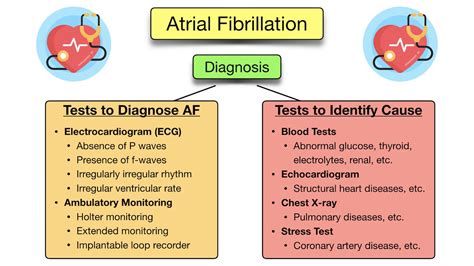
+Atrial fibrillation is typically diagnosed using an electrocardiogram (ECG or EKG), which records the electrical activity of the heart. Other tests, such as Holter monitoring or event monitoring, may also be used to detect irregular heart rhythms.
What are the treatment options for atrial fibrillation?
+Treatment options for atrial fibrillation include medications to control heart rate and rhythm, procedures like cardioversion and catheter ablation, and lifestyle modifications such as a healthy diet, regular exercise, and stress management.
Meta Description: Discover the complexities of atrial fibrillation, its impact on life expectancy, and the various treatment options available. Learn how to manage AFib effectively and improve your quality of life. (151 characters)