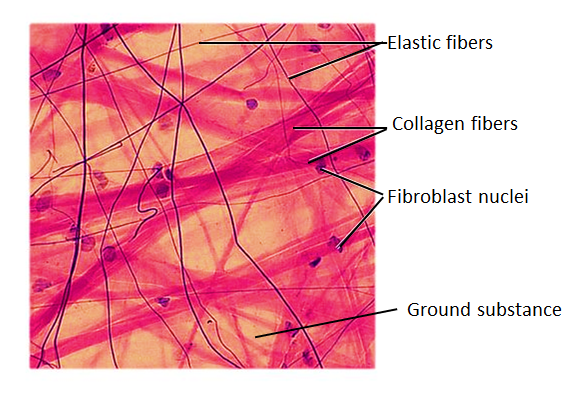
The areolar connective tissue is a type of connective tissue found in the human body, serving as a crucial component in maintaining the structural integrity and overall health of various organs and systems. This tissue is characterized by its loose, woven structure, which is composed of a variety of cells, fibers, and ground substance. Understanding the areolar connective tissue is essential for grasping the fundamental principles of human anatomy and physiology. Here are five key facts about areolar connective tissue that highlight its significance and role in the body.
Key Points
- Areolar connective tissue is widely distributed throughout the body, providing support and flexibility to various organs and structures.
- This type of tissue contains a diverse array of cells, including fibroblasts, macrophages, and mast cells, each playing a distinct role in tissue maintenance and function.
- The areolar connective tissue is composed of collagen, elastin, and reticular fibers, which contribute to its strength, elasticity, and framework.
- Areolar tissue serves as a medium for the exchange of nutrients, waste, and gases between the blood and cells, facilitating the metabolic processes of the body.
- Due to its loose structure, areolar connective tissue can act as a site for the accumulation of fluid and electrolytes, playing a role in conditions such as edema.
Characteristics and Components of Areolar Connective Tissue
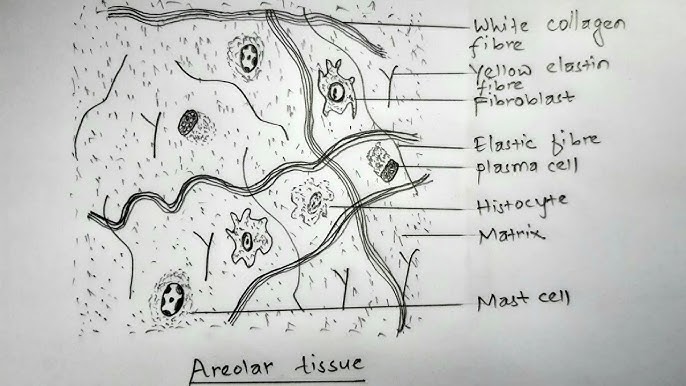
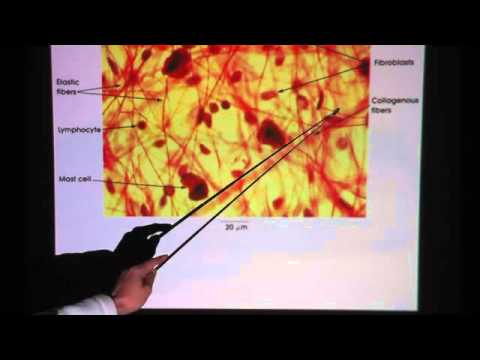
Areolar connective tissue is distinguished by its loose arrangement of fibers and cells, which are embedded in a ground substance. This ground substance is a gel-like material composed of glycoproteins, glycosaminoglycans, and water, allowing for the diffusion of substances between the blood and tissues. The cells present in areolar tissue include fibroblasts, which produce collagen and other fibers; macrophages, involved in the phagocytosis of foreign particles and debris; and mast cells, which play a role in allergic reactions and immune responses.
Types of Fibers in Areolar Connective Tissue
The fibers found in areolar connective tissue are crucial for its strength, elasticity, and structural framework. Collagen fibers are the most abundant type, providing tensile strength and contributing to the tissue’s resistance to stretching. Elastin fibers are responsible for the tissue’s elasticity, allowing it to snap back into place after stretching. Reticular fibers form a network that provides support to blood vessels and nerves, and they also contribute to the framework of lymphoid organs.
| Type of Fiber | Function |
|---|---|
| Collagen Fibers | Provide tensile strength and resistance to stretching |
| Elastin Fibers | Contribute to the tissue's elasticity and ability to return to its original shape |
| Reticular Fibers | Form a supportive network for blood vessels, nerves, and lymphoid organs |
Functions and Clinical Significance of Areolar Connective Tissue

Beyond its structural roles, areolar connective tissue plays a vital part in the body’s metabolic and defensive processes. It serves as a reservoir for the storage of fat, which can be mobilized when the body needs energy. Additionally, the areolar tissue surrounding blood vessels and nerves supports these structures, allowing for their proper function. In conditions where the areolar tissue becomes inflamed or damaged, such as in infections or autoimmune diseases, the body’s ability to maintain homeostasis can be compromised.
Clinical Implications and Pathological Conditions
The areolar connective tissue’s involvement in various pathological conditions underscores its significance in health and disease. For example, edema, which is the accumulation of excess fluid in the interstitial space of areolar tissue, can result from heart failure, kidney disease, or liver cirrhosis, among other causes. Understanding the role of areolar connective tissue in such conditions can provide insights into the underlying mechanisms of disease and guide therapeutic interventions.
What is the primary function of areolar connective tissue in the body?
+The primary function of areolar connective tissue is to provide support and flexibility to various organs and structures, facilitate the exchange of nutrients and waste, and serve as a medium for the storage of fat and the accumulation of fluid.
What types of cells are found in areolar connective tissue?
+Areolar connective tissue contains a diverse array of cells, including fibroblasts, macrophages, mast cells, and others, each contributing to the tissue's maintenance, function, and response to injury or disease.
How does areolar connective tissue contribute to the body's defense against infection?
+Areolar connective tissue plays a role in the body's defense through the actions of its cellular components, such as macrophages, which phagocytose foreign particles and pathogens, and mast cells, which are involved in allergic reactions and immune responses.
In conclusion, areolar connective tissue is a multifaceted component of the human body, serving both structural and functional roles that are essential for maintaining health and responding to disease. Its unique composition and widespread distribution underscore its importance in understanding human anatomy, physiology, and pathology. Through continued research and study, a deeper appreciation for the complexities and significance of areolar connective tissue can be developed, ultimately contributing to advancements in medical science and practice.