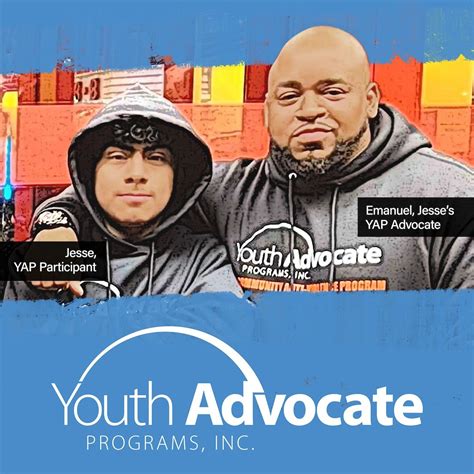
Youth Advocate Programs (YAP) are community-based alternatives to institutional care for youth who are at risk of being placed in foster care, juvenile justice facilities, or other out-of-home settings. These programs provide individualized support and advocacy to help young people and their families address the challenges they face, with the goal of keeping them safe and thriving in their communities. YAP has been recognized for its effectiveness in reducing recidivism rates, improving academic outcomes, and enhancing family functioning.
History and Development of Youth Advocate Programs
YAP was founded in 1978 by Thomas Jeffers, who recognized the need for a more compassionate and community-based approach to serving youth and families. The program was initially developed as an alternative to traditional group home care, with a focus on providing one-on-one advocacy and support to young people. Over the years, YAP has expanded to serve youth and families across the United States and internationally, with programs tailored to meet the unique needs of each community.
Core Principles of Youth Advocate Programs
YAP is guided by several core principles, including a commitment to keeping youth and families together, whenever possible, and providing individualized support and advocacy to help them overcome the challenges they face. The program also emphasizes the importance of community-based care, recognizing that youth and families are best served in their own communities, surrounded by supportive relationships and familiar environments. Additionally, YAP prioritizes cultural competence and sensitivity, recognizing the importance of respecting the diverse backgrounds and experiences of the youth and families they serve.
| Program Component | Description |
|---|---|
| Advocacy | One-on-one support and advocacy to help youth and families navigate complex systems and access needed resources |
| Mentoring | Trained mentors provide positive role modeling, guidance, and support to help youth develop life skills and achieve their goals |
| Family Support | Services and support to help families address challenges and strengthen their relationships, including parenting classes, counseling, and case management |
| Community Engagement | Opportunities for youth and families to engage with their communities, build positive relationships, and develop a sense of belonging and social connection |

Key Points
- YAP provides community-based alternatives to institutional care for youth at risk of being placed in foster care or juvenile justice facilities
- The program emphasizes individualized support and advocacy to help youth and families address the challenges they face
- YAP prioritizes community-based care, recognizing the importance of keeping youth and families together in their own communities
- The program has been recognized for its effectiveness in reducing recidivism rates, improving academic outcomes, and enhancing family functioning
- YAP's approach is grounded in a commitment to cultural competence and sensitivity, recognizing the importance of respecting the diverse backgrounds and experiences of the youth and families they serve
Evidence-Based Practices and Outcomes

YAP has been the subject of numerous studies and evaluations, which have consistently demonstrated the program’s effectiveness in achieving positive outcomes for youth and families. These outcomes include reduced recidivism rates, improved academic performance, and enhanced family functioning. YAP’s approach is also guided by evidence-based practices, including trauma-informed care, positive youth development, and family-centered practice.
Challenges and Limitations
While YAP has been recognized for its effectiveness, the program also faces challenges and limitations. These include the need for sustained funding and resources, as well as the importance of addressing systemic barriers and inequalities that can impact the lives of youth and families. Additionally, YAP must continually adapt and evolve to meet the changing needs of the youth and families they serve, including the integration of new technologies and innovative practices.
What is the primary goal of Youth Advocate Programs?
+The primary goal of YAP is to provide community-based alternatives to institutional care for youth at risk of being placed in foster care or juvenile justice facilities, with the goal of keeping them safe and thriving in their communities.
How does YAP prioritize cultural competence and sensitivity?
+YAP prioritizes cultural competence and sensitivity by recognizing the importance of respecting the diverse backgrounds and experiences of the youth and families they serve. The program provides training and support to help advocates and staff understand and address the unique needs and challenges of diverse populations.
What are some of the evidence-based practices that guide YAP's approach?
+YAP's approach is guided by evidence-based practices, including trauma-informed care, positive youth development, and family-centered practice. These practices recognize the importance of addressing the unique needs and challenges of each youth and family, while also promoting resilience, well-being, and positive outcomes.
As a community-based alternative to institutional care, YAP offers a unique and effective approach to serving youth and families. By providing individualized support and advocacy, YAP helps youth and families build on their strengths and address the challenges they face, with the goal of keeping them safe and thriving in their communities. With its commitment to cultural competence and sensitivity, evidence-based practices, and community-based care, YAP is an important model for addressing the complex needs of youth and families, and promoting positive outcomes and resilience.