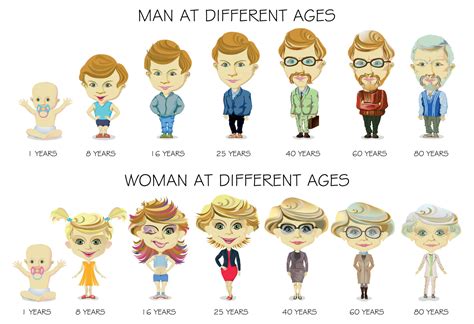
The young adult age range, typically defined as individuals between 18 and 30 years old, is a critical period of transition and development. During this stage, young adults undergo significant physical, emotional, and psychological changes that can have a lasting impact on their overall well-being and life trajectory. The importance of this age range cannot be overstated, as it lays the foundation for future success, health, and happiness. In this article, we will delve into the complexities of the young adult age range, exploring the challenges and opportunities that arise during this pivotal period.
Key Points
- The young adult age range is characterized by significant physical, emotional, and psychological changes.
- Brain development continues into the mid-20s, with ongoing refinement of cognitive and emotional regulation skills.
- Young adults face numerous challenges, including financial stress, social pressure, and identity exploration.
- Supportive relationships, mental health resources, and opportunities for personal growth are essential for navigating this stage.
- Early intervention and investment in young adult development can have long-term benefits for individuals and society as a whole.
Physical and Emotional Changes

Young adulthood is marked by continued physical growth and development, particularly in the brain. Research suggests that brain development extends into the mid-20s, with ongoing refinement of cognitive and emotional regulation skills. This period of neurological maturation is critical, as it lays the foundation for future mental health, emotional intelligence, and overall well-being. Furthermore, young adults experience significant emotional changes, including increased sensitivity, mood swings, and a heightened sense of self-awareness.
Cognitive Development and Decision-Making
Cognitive development during young adulthood is characterized by improvements in executive function, problem-solving, and decision-making. However, this period is also marked by increased impulsivity and risk-taking behavior, which can have both positive and negative consequences. As young adults navigate the complexities of independence, they must balance the need for autonomy with the importance of responsible decision-making. This delicate balance requires the development of critical thinking skills, self-regulation, and a nuanced understanding of consequences.
| Developmental Stage | Key Characteristics |
|---|---|
| Early Young Adulthood (18-22) | Exploration of identity, increased independence, and developing emotional regulation skills |
| Mid-Young Adulthood (23-26) | Consolidation of identity, refinement of cognitive and emotional skills, and increased responsibility |
| Late Young Adulthood (27-30) | Establishment of long-term goals, development of emotional intelligence, and increased stability |

Challenges and Opportunities

Young adulthood is a time of significant challenge and opportunity. On one hand, young adults face numerous stressors, including financial pressure, social media scrutiny, and the pressure to conform to societal expectations. On the other hand, this stage offers unparalleled opportunities for personal growth, exploration, and self-discovery. By embracing these challenges and leveraging the support of loved ones, mentors, and mental health professionals, young adults can develop the resilience, adaptability, and emotional intelligence necessary to thrive in an increasingly complex and rapidly changing world.
Mental Health and Well-being
Mental health is a critical concern during young adulthood, as this stage is marked by increased vulnerability to anxiety, depression, and other mental health challenges. The pressures of modern life, combined with the ongoing process of identity formation and emotional regulation, can create a perfect storm of stress and uncertainty. However, by prioritizing mental health, seeking support when needed, and engaging in proactive self-care, young adults can mitigate these risks and cultivate a strong foundation for long-term well-being.
In conclusion, the young adult age range is a complex and dynamic period, marked by significant physical, emotional, and psychological changes. By understanding the challenges and opportunities that arise during this stage, we can provide supportive relationships, mental health resources, and opportunities for personal growth, empowering young adults to navigate this critical period and set the foundation for a lifetime of success and well-being.
What are the most significant challenges faced by young adults?
+Young adults face numerous challenges, including financial stress, social pressure, identity exploration, and mental health concerns. These challenges can be exacerbated by the pressures of modern life, including social media scrutiny and the expectation to conform to societal norms.
How can young adults prioritize their mental health and well-being?
+Young adults can prioritize their mental health and well-being by engaging in proactive self-care, seeking support from loved ones and mental health professionals, and cultivating a growth mindset. This can involve activities such as exercise, meditation, and creative pursuits, as well as seeking help when needed and being open to new experiences and challenges.
What role do supportive relationships play in young adult development?
+Supportive relationships play a critical role in young adult development, providing a sense of belonging, emotional support, and guidance. These relationships can come from family, friends, mentors, or mental health professionals, and can help young adults navigate the challenges of this stage, develop emotional intelligence, and cultivate a sense of purpose and direction.