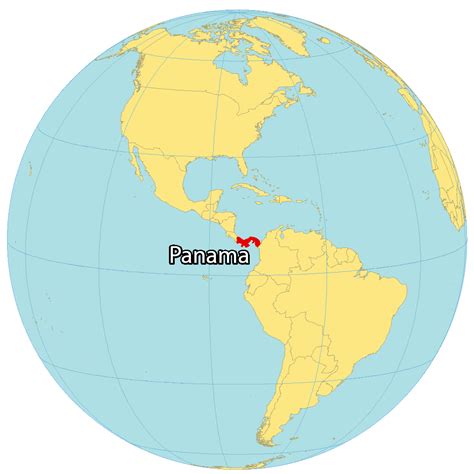
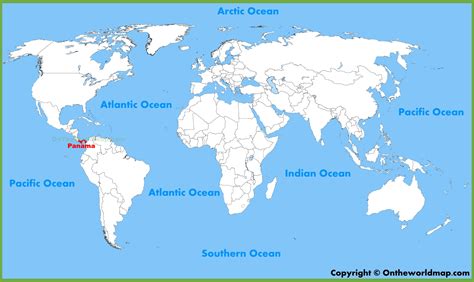
Panama, officially known as the Republic of Panama, is a country located in Central America, connecting North America to South America. It is situated on the Isthmus of Panama, a narrow strip of land that separates the Pacific Ocean from the Atlantic Ocean. Panama shares borders with Costa Rica to the west and Colombia to the southeast, with the Caribbean Sea to the north and the Pacific Ocean to the south. The country's unique geography has made it an important location for trade and commerce, with the Panama Canal being one of the most significant engineering achievements in history.
The Panama Canal, which connects the Atlantic Ocean to the Pacific Ocean, is a 51-mile (82 km) long waterway that allows ships to pass through the Isthmus of Panama, saving time, fuel, and resources by avoiding the need to navigate around South America. The canal is considered one of the most complex and challenging engineering projects ever undertaken, and its construction had a profound impact on global trade and commerce. Today, the Panama Canal is a vital transportation artery, with over 14,000 vessels passing through it every year, carrying goods worth over $270 billion.
Key Points
- Panama is a country located in Central America, connecting North America to South America.
- The Panama Canal is a 51-mile (82 km) long waterway that connects the Atlantic Ocean to the Pacific Ocean.
- The canal is one of the most significant engineering achievements in history and a vital transportation artery.
- Over 14,000 vessels pass through the canal every year, carrying goods worth over $270 billion.
- Panama's unique geography and strategic location make it an important hub for trade and commerce.
Geography and Climate
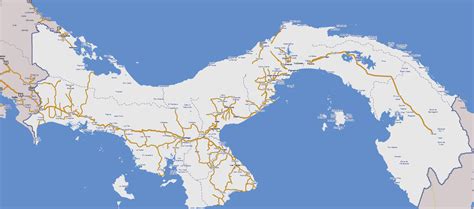
Panama’s geography is characterized by a mix of mountains, forests, and coastal plains. The country’s terrain is divided into four main regions: the Pacific coastal plain, the mountainous region, the Caribbean coastal plain, and the islands. The Pacific coastal plain is a narrow strip of land that runs along the Pacific coast, while the mountainous region includes the Cordillera Central mountain range, which stretches from the Costa Rican border to the Colombian border. The Caribbean coastal plain is a wider strip of land that runs along the Caribbean coast, and the islands include the Pearl Islands and the San Blas Islands.
The climate in Panama is tropical, with high temperatures and high humidity levels throughout the year. The country has a dry season, which runs from December to April, and a wet season, which runs from May to November. The temperature ranges from 70°F (21°C) to 90°F (32°C) throughout the year, with an average annual rainfall of 60 inches (1,524 mm). The climate and geography of Panama support a wide range of flora and fauna, including rainforests, cloud forests, and coral reefs.
Economy and Trade
Panama’s economy is based on a mix of services, industry, and agriculture. The country has a strong financial sector, with a number of international banks and financial institutions operating in the country. The Panama Canal is a major source of revenue for the country, with tolls and fees generating over $2 billion in revenue every year. The country is also a major hub for trade and commerce, with a number of free trade zones and logistics centers.
Panama has a number of trade agreements with other countries, including the United States, the European Union, and China. The country is a member of the Central American Free Trade Agreement (CAFTA) and the Dominican Republic-Central America-United States Free Trade Agreement (CAFTA-DR). Panama's main exports include bananas, coffee, sugar, and shrimp, while its main imports include petroleum products, machinery, and electronics.
| Export | Value (USD) |
|---|---|
| Bananas | 234 million |
| Coffee | 143 million |
| Sugar | 101 million |
| Shrimp | 83 million |
Culture and Tourism
Panama has a rich and diverse culture, with a mix of indigenous, African, and Spanish influences. The country has a number of festivals and celebrations throughout the year, including the Panama Jazz Festival, the Boquete Flower and Coffee Fair, and the Panama City International Film Festival. Panama is also home to a number of museums, including the Museum of Biodiversity, the Panama Canal Museum, and the Museum of Contemporary Art.
Tourism is a growing industry in Panama, with a number of attractions and activities for visitors to enjoy. The country has a number of national parks and wildlife reserves, including the Soberanía National Park, the Chagres National Park, and the Coiba National Park. Visitors can also explore the Panama Canal, visit the historic city of Panama Viejo, or relax on the beautiful beaches of the Pacific coast.
Challenges and Opportunities
Panama faces a number of challenges, including poverty, inequality, and corruption. The country has a significant gap between the rich and the poor, with over 20% of the population living below the poverty line. Panama also has a number of environmental challenges, including deforestation, pollution, and climate change.
Despite these challenges, Panama has a number of opportunities for growth and development. The country has a strong economy, a strategic location, and a number of natural resources. Panama is also a hub for innovation and entrepreneurship, with a number of startups and incubators operating in the country. The country's tourism industry is also growing, with a number of new hotels, resorts, and attractions being developed.
What is the capital city of Panama?
+The capital city of Panama is Panama City.
What is the official language of Panama?
+The official language of Panama is Spanish.
What is the currency of Panama?
+The currency of Panama is the Panamanian balboa, which is pegged to the US dollar.
Meta description: “Discover Panama, a country located in Central America, with its unique geography, rich culture, and growing economy. Learn about the Panama Canal, the country’s main exports and imports, and its tourism industry.” (149 characters)