
The term "gaslighting" has become a ubiquitous concept in modern psychology and social discourse, referring to a form of emotional manipulation where a person makes someone question their own sanity, memory, or perception. However, the origins of this term are rooted in a 1938 play and its subsequent film adaptations, which provide a fascinating insight into the evolution of this psychological phenomenon. To understand the concept of gaslighting, it is essential to delve into its historical context, exploring the play that coined the term and the social factors that contributed to its widespread recognition.
The play "Gas Light" by Patrick Hamilton tells the story of a husband who attempts to drive his wife insane by manipulating her perception of reality. He dims the gas-powered lights in their home, and when his wife comments on the change, he denies that anything is different, making her doubt her own senses. This psychological game-playing has a profound effect on the wife, leading her to question her own sanity. The play's title refers to the gaslights that were a common feature of homes during the late 19th and early 20th centuries, which were used for lighting. The husband's manipulation of the gaslights serves as a metaphor for the way he manipulates his wife's perception of reality.
Key Points
- The term "gaslighting" originates from the 1938 play "Gas Light" by Patrick Hamilton.
- The play tells the story of a husband who manipulates his wife's perception of reality, making her doubt her own sanity.
- The term has evolved to describe a form of emotional manipulation where a person makes someone question their own sanity, memory, or perception.
- Gaslighting can have severe psychological effects on the victim, including anxiety, depression, and post-traumatic stress disorder (PTSD).
- Recognizing the signs of gaslighting, such as denial, blame-shifting, and emotional manipulation, is crucial for victims to seek help and support.
The Evolution of Gaslighting as a Psychological Concept
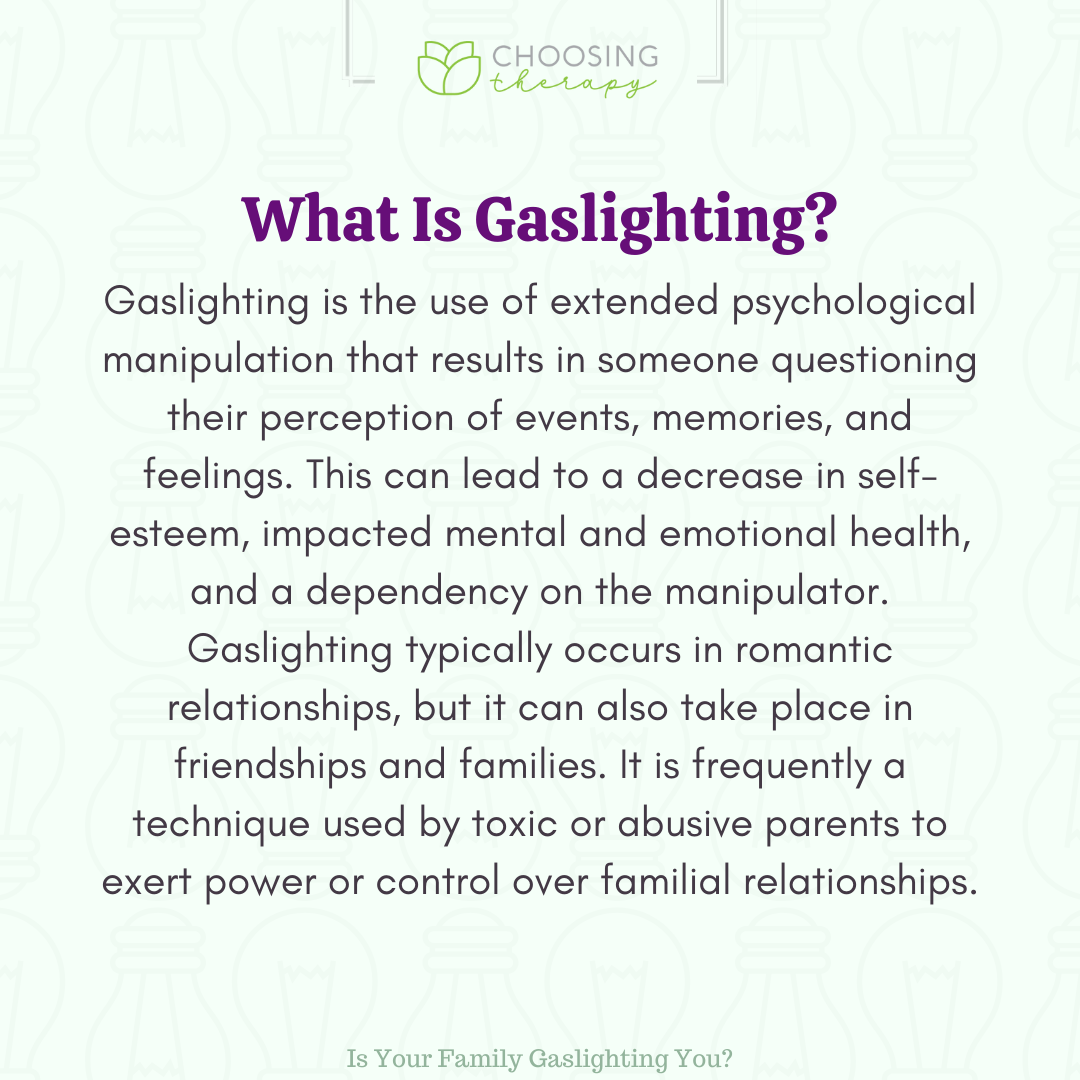
Over time, the term “gaslighting” has evolved to encompass a broader range of behaviors, including denial, blame-shifting, and emotional manipulation. Gaslighting can be perpetrated by individuals, groups, or even institutions, and its effects can be devastating for the victim. The rise of social media has also contributed to the spread of gaslighting, as it provides a platform for individuals to manipulate and control others through online interactions. According to a study published in the Journal of Clinical Psychology, approximately 45% of individuals have experienced some form of gaslighting in their relationships, highlighting the need for increased awareness and education on this topic.
Recognizing the Signs of Gaslighting
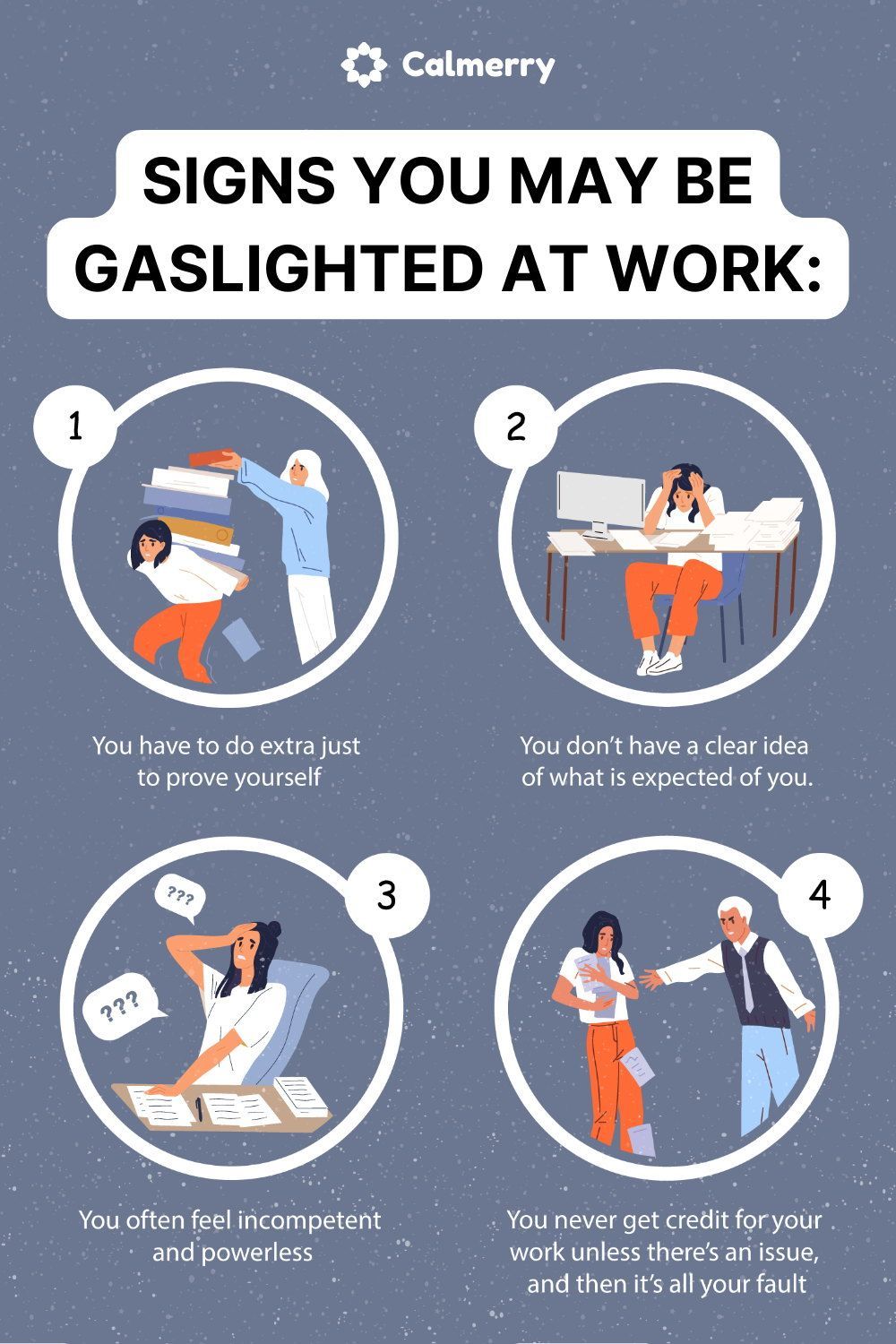
Recognizing the signs of gaslighting is crucial for victims to seek help and support. Some common tactics used by gaslighters include denial, blame-shifting, and emotional manipulation. Gaslighters may also use tactics such as minimization, projection, and isolation to control their victims. For instance, a gaslighter may deny previous agreements or conversations, or shift the blame onto the victim for their own behavior. By understanding these tactics, individuals can better protect themselves from gaslighting and seek help if they are experiencing it.
| Gaslighting Tactics | Examples |
|---|---|
| Denial | Denying previous agreements or conversations |
| Blame-shifting | Shifting the blame onto the victim for their own behavior |
| Emotional Manipulation | Using guilt, anger, or self-pity to control the victim's emotions |
| Minimization | Downplaying the severity of their behavior or its impact on the victim |
| Projection | Attributing their own behavior or feelings to the victim |
The Psychological Effects of Gaslighting
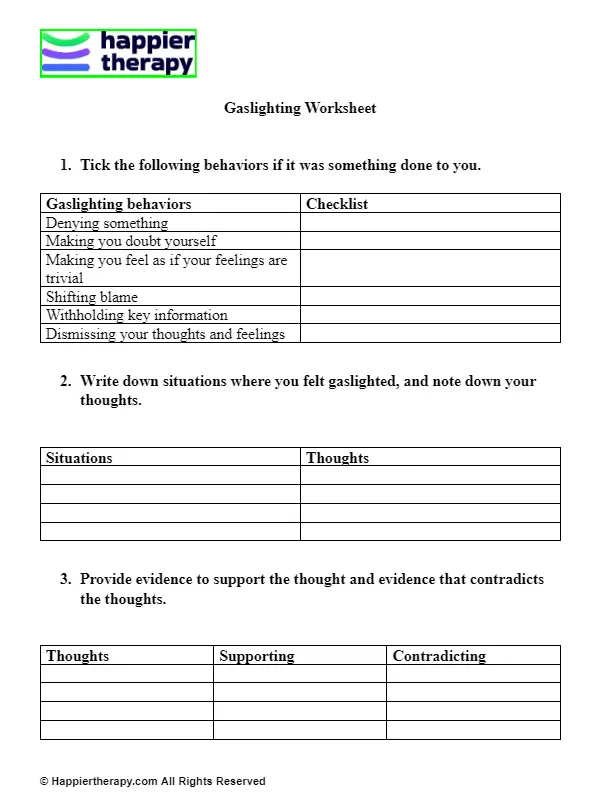
The psychological effects of gaslighting can be severe and long-lasting. Victims of gaslighting may experience anxiety, depression, and post-traumatic stress disorder (PTSD). They may also struggle with feelings of shame, guilt, and self-doubt, which can make it difficult for them to trust their own perceptions and judgment. In some cases, gaslighting can even lead to physical symptoms such as headaches, fatigue, and sleep disturbances. A study published in the Journal of Traumatic Stress found that approximately 70% of individuals who experienced gaslighting reported symptoms of PTSD, highlighting the need for comprehensive support and treatment for victims of gaslighting.
Seeking Help and Support
Seeking help and support is essential for victims of gaslighting. This can include therapy, counseling, or support groups. It is also important for victims to surround themselves with people who are supportive and trustworthy, and to distance themselves from the gaslighter. By seeking help and support, victims of gaslighting can begin to rebuild their sense of self and regain control over their lives. According to the National Domestic Violence Hotline, approximately 85% of individuals who experienced gaslighting reported feeling more empowered and confident after seeking help and support, highlighting the importance of seeking help and support for victims of gaslighting.
What is gaslighting, and how does it affect individuals?
+Gaslighting is a form of emotional manipulation where a person makes someone question their own sanity, memory, or perception. It can have severe psychological effects on the victim, including anxiety, depression, and PTSD.
How can I recognize the signs of gaslighting?
+Some common signs of gaslighting include denial, blame-shifting, and emotional manipulation. Gaslighters may also use tactics such as minimization, projection, and isolation to control their victims.
Where can I seek help and support if I am experiencing gaslighting?
+There are several resources available for individuals who are experiencing gaslighting, including therapy, counseling, and support groups. You can also contact the National Domestic Violence Hotline or the National Alliance on Mental Illness for more information and support.
In conclusion, gaslighting is a complex and insidious form of emotional manipulation that can have severe psychological effects on its victims. By understanding the origins of the term, recognizing the signs of gaslighting, and seeking help and support, individuals can better protect themselves from this form of abuse and rebuild their sense of self. As a society, it is essential that we prioritize education and awareness on this topic, and provide comprehensive support and treatment for victims of gaslighting.