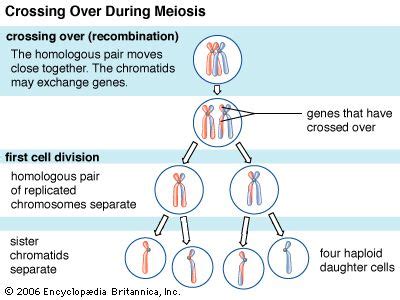
Meiosis is a fundamental process in biology that enables the reproduction of eukaryotic organisms. It is a specialized type of cell division that reduces the chromosome number by half, resulting in the production of gametes, such as sperm and egg cells in animals, and spores in plants. One of the critical events during meiosis is crossing over, which occurs during the prophase I stage of meiosis I. Crossing over is the process by which segments of DNA are exchanged between homologous chromosomes, increasing genetic diversity and contributing to the uniqueness of offspring.
Introduction to Meiosis and Crossing Over
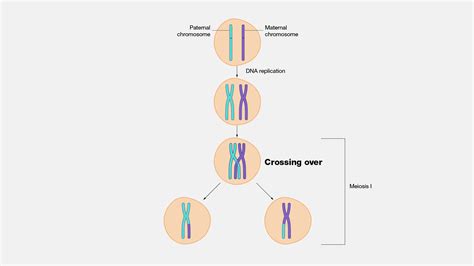
Meiosis consists of two successive cell divisions, meiosis I and meiosis II, each with its own prophase, metaphase, anaphase, and telophase stages. Meiosis I is the reduction division, where the number of chromosomes is reduced from diploid (2n) to haploid (n), while meiosis II is similar to a mitotic division, where the sister chromatids are separated. Crossing over is a key event in meiosis I, specifically during prophase I, where the chromosomes are condensed, and homologous chromosomes pair up in a process known as synapsis. This pairing is crucial for crossing over, as it allows for the precise alignment of homologous chromosomes, facilitating the exchange of genetic material.
Process of Crossing Over
The process of crossing over involves the breakage and rejoining of DNA strands between homologous chromosomes. This is achieved through a complex series of enzymatic reactions and protein interactions. The enzyme Spo11 is responsible for introducing double-strand breaks in the DNA, which are then processed by other enzymes to form single-strand breaks. These single-strand breaks are critical for the invasion of one chromosome’s DNA into the other, forming a structure known as a Holliday junction. The Holliday junction is then resolved, leading to the exchange of genetic material between the homologous chromosomes. This exchange can occur multiple times along the length of the chromosomes, resulting in a significant increase in genetic diversity.
| Stage of Meiosis | Description |
|---|---|
| Prophase I | Synapsis, crossing over, and condensation of chromosomes |
| Metaphase I | Alignment of homologous chromosomes at the metaphase plate |
| Anaphase I | Separation of homologous chromosomes |
| Telephase I | Reformation of the nuclear envelope |
Importance of Crossing Over in Genetic Diversity
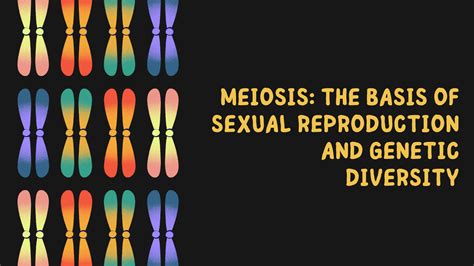
Genetic diversity is crucial for the survival and adaptation of species. It allows populations to respond to changing environmental conditions, resist diseases, and adapt to new habitats. Crossing over is a key contributor to genetic diversity, as it increases the number of possible combinations of alleles (different forms of a gene) that can be inherited by offspring. This increase in genetic diversity is especially important in populations that are subject to strong selective pressures, where the ability to adapt quickly can mean the difference between survival and extinction.
Evolutionary Implications of Crossing Over
The evolutionary implications of crossing over are significant. By increasing genetic diversity, crossing over provides the raw material for natural selection to act upon. This means that populations with high levels of genetic diversity are more likely to adapt to changing environments and evolve over time. Additionally, crossing over can also lead to the creation of new alleles, which can have significant effects on the fitness of individuals and populations. The evolutionary benefits of crossing over are thought to be one of the primary reasons why meiosis has been maintained in eukaryotic organisms, despite the costs associated with reducing the number of chromosomes by half.
Key Points
- Crossing over occurs during prophase I of meiosis I and is crucial for increasing genetic diversity.
- The process involves the breakage and rejoining of DNA strands between homologous chromosomes.
- Genetic diversity is essential for the survival and adaptation of species in changing environments.
- Crossing over provides the raw material for natural selection to act upon, leading to evolution over time.
- The evolutionary benefits of crossing over are thought to be one of the primary reasons why meiosis has been maintained in eukaryotic organisms.
In conclusion, crossing over is a critical event during meiosis that increases genetic diversity and contributes to the uniqueness of offspring. The process of crossing over involves the breakage and rejoining of DNA strands between homologous chromosomes, resulting in the exchange of genetic material. The importance of crossing over in genetic diversity and its evolutionary implications cannot be overstated, making it a fundamental aspect of biology that continues to fascinate scientists and researchers alike.
What is the primary function of crossing over in meiosis?
+The primary function of crossing over in meiosis is to increase genetic diversity by exchanging genetic material between homologous chromosomes.
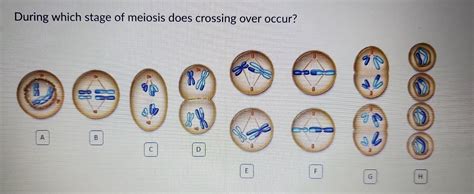
During which stage of meiosis does crossing over occur?
+Crossing over occurs during prophase I of meiosis I.
What is the significance of genetic diversity in populations?
+Genetic diversity is crucial for the survival and adaptation of species, allowing populations to respond to changing environmental conditions, resist diseases, and adapt to new habitats.