The realm of Norse mythology is vast and complex, filled with gods, giants, and mythical creatures. At the heart of this mythology lies the concept of Ragnarok, a catastrophic event that marks the end of the world. Ragnarok is a fascinating and intricate topic, steeped in history and symbolism. To truly understand the significance of Ragnarok, it's essential to delve into the world of Norse mythology and explore the events, characters, and themes that lead up to this pivotal moment.
Norse mythology is rooted in the ancient Germanic and Scandinavian cultures, with stories and legends passed down through generations. The Poetic Edda and the Prose Edda, two medieval Icelandic manuscripts, are the primary sources of our knowledge about Norse mythology. These texts provide a wealth of information about the gods, goddesses, and other supernatural beings that inhabit the Norse cosmos. The Aesir, a pantheon of gods led by Odin, are central to the mythology, and their struggles and interactions with other beings drive the narrative of Ragnarok.
Key Points
- Ragnarok is a catastrophic event that marks the end of the world in Norse mythology
- The event is preceded by a series of natural disasters and battles between gods and giants
- Odin, the All-Father, plays a crucial role in the events leading up to Ragnarok
- The fire giant Surtur and the wolf Fenrir are key antagonists in the Ragnarok narrative
- The aftermath of Ragnarok marks a new beginning for the world, with the surviving gods and humans rebuilding society
The Events Leading Up to Ragnarok
The story of Ragnarok is complex and multifaceted, with various events and prophecies contributing to the eventual downfall of the gods. One of the primary catalysts for Ragnarok is the death of Baldur, the god of light and purity. Baldur’s demise is orchestrated by the trickster god Loki, who convinces the blind god Hödur to shoot an arrow made of mistletoe at Baldur. The death of Baldur sets in motion a chain of events that ultimately leads to the events of Ragnarok.
The Breaking of Bonds and the Release of Monsters
As the events of Ragnarok unfold, the bonds that hold the monsters and giants of the Norse cosmos begin to break. The wolf Fenrir, the Midgard Serpent, and the fire giant Surtur are all freed from their respective prisons, setting the stage for the final battles. The fire giant Surtur, in particular, plays a significant role in the events of Ragnarok, as he emerges from the south to engage the gods in battle.
| Character | Role in Ragnarok |
|---|---|
| Odin | Leader of the Aesir and central figure in the events of Ragnarok |
| Surtur | Fire giant who emerges from the south to battle the gods |
| Fenrir | Wolf who breaks free from his bonds and devours the sun |
| Loki | Trickster god who orchestrates the death of Baldur and contributes to the events of Ragnarok |
| Thor | God of thunder who battles the Midgard Serpent during Ragnarok |
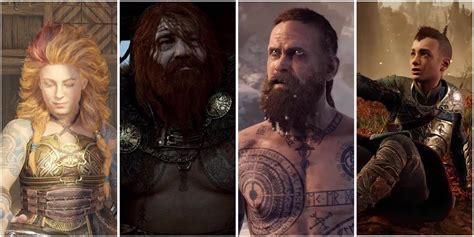
The Battles of Ragnarok
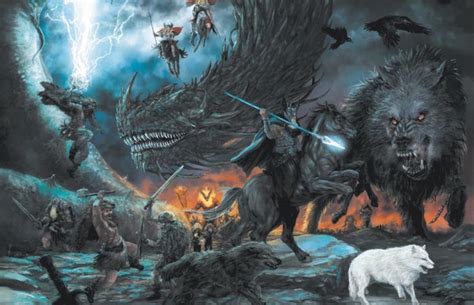
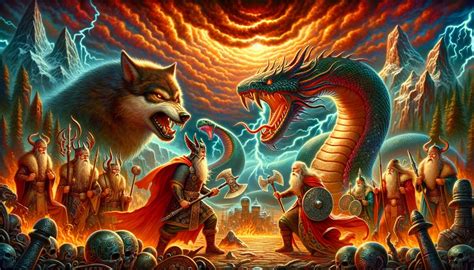
The battles of Ragnarok are fierce and intense, with the gods and goddesses of the Aesir facing off against the giants and monsters. The god Thor, armed with his hammer Mjolnir, battles the Midgard Serpent, while Odin faces the wolf Fenrir. The fire giant Surtur engages the god Freyr, and the trickster god Loki battles the god Heimdall. The battles of Ragnarok are marked by great destruction and loss, with many of the gods and goddesses falling in combat.
The Aftermath of Ragnarok
In the aftermath of Ragnarok, the world is left in a state of devastation and ruin. However, from the ashes of the old world, a new world emerges. The surviving gods and goddesses, including Vidar and Vali, begin the process of rebuilding and restarting the cycle of creation. The human survivors, Lif and Lifthrasir, also emerge to repopulate the world and start anew. The events of Ragnarok mark a new beginning, as the cycle of creation and destruction continues.
What is the significance of Ragnarok in Norse mythology?
+Ragnarok is a pivotal event in Norse mythology, marking the end of the world and the downfall of the gods. It represents the cyclical nature of time and the idea that the end of one cycle marks the beginning of another.
Who are the main characters involved in the events of Ragnarok?
+The main characters involved in the events of Ragnarok include Odin, Surtur, Fenrir, Loki, and Thor. Each of these characters plays a significant role in the events leading up to and during Ragnarok.
What happens after Ragnarok?
+After Ragnarok, the world is left in a state of devastation and ruin. However, from the ashes of the old world, a new world emerges. The surviving gods and goddesses, including Vidar and Vali, begin the process of rebuilding and restarting the cycle of creation.
In conclusion, the events of Ragnarok are a complex and fascinating aspect of Norse mythology. The story of Ragnarok is steeped in history and symbolism, reflecting the cyclical nature of time and the idea that the end of one cycle marks the beginning of another. By exploring the events, characters, and themes of Ragnarok, we can gain a deeper understanding of the rich and intricate world of Norse mythology.