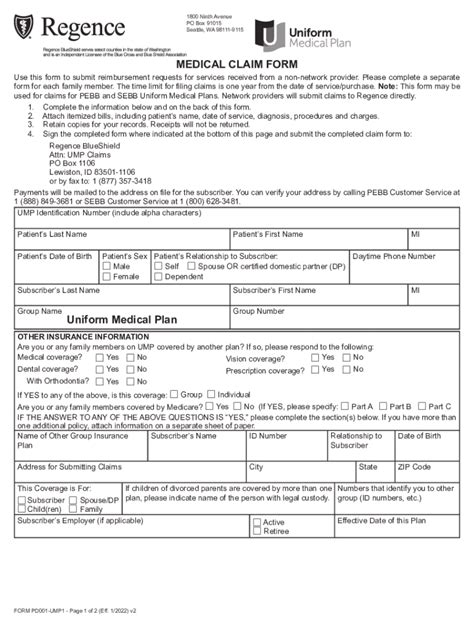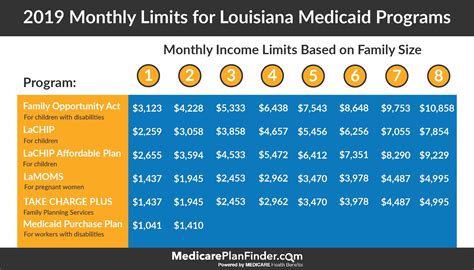
Medical billing and coding are two closely related processes that play a crucial role in the healthcare industry. Medical billing refers to the process of submitting and following up on claims with health insurance companies to receive payment for medical services rendered by healthcare providers. Medical coding, on the other hand, is the process of assigning specific codes to diagnoses and procedures to facilitate the billing process. These codes are used to classify and categorize medical information, allowing healthcare providers to track patient data, bill insurance companies, and maintain accurate records.
The primary goal of medical billing and coding is to ensure that healthcare providers receive accurate and timely payment for their services. This involves preparing and submitting claims to insurance companies, following up on claims that have been denied or delayed, and maintaining accurate records of patient data and billing information. Medical billers and coders must have a strong understanding of medical terminology, anatomy, and coding systems, as well as excellent communication and analytical skills.
Key Points
- Medical billing involves submitting and following up on claims with health insurance companies to receive payment for medical services.
- Medical coding involves assigning specific codes to diagnoses and procedures to facilitate the billing process.
- The primary goal of medical billing and coding is to ensure that healthcare providers receive accurate and timely payment for their services.
- Medical billers and coders must have a strong understanding of medical terminology, anatomy, and coding systems.
- Excellent communication and analytical skills are essential for success in medical billing and coding.
Medical Billing Process
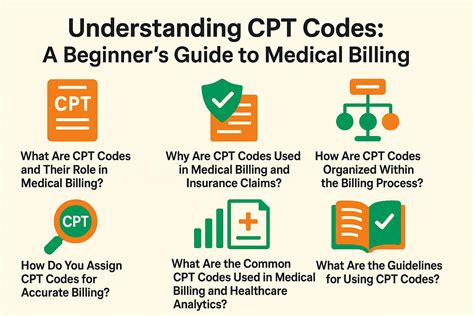
The medical billing process typically begins with the patient’s visit to the healthcare provider. During this visit, the healthcare provider will diagnose and treat the patient, and then generate a claim that includes the patient’s demographic information, medical history, and the services provided. The claim is then submitted to the patient’s insurance company, which reviews the claim to determine if it is valid and if the services provided are covered under the patient’s policy.
If the claim is approved, the insurance company will pay the healthcare provider for the services provided. If the claim is denied, the healthcare provider may need to resubmit the claim or appeal the decision. Medical billers play a critical role in this process, as they are responsible for preparing and submitting claims, following up on denied or delayed claims, and maintaining accurate records of patient data and billing information.
Medical Coding Systems
There are several medical coding systems used in the healthcare industry, including the International Classification of Diseases (ICD) and the Current Procedural Terminology (CPT) system. The ICD system is used to classify diagnoses and procedures, while the CPT system is used to classify procedures and services. Other coding systems, such as the Healthcare Common Procedure Coding System (HCPCS) and the Diagnostic and Statistical Manual of Mental Disorders (DSM), are also used in specific contexts.
Medical coders must have a strong understanding of these coding systems, as well as the ability to assign codes accurately and efficiently. This requires a strong foundation in medical terminology, anatomy, and coding principles, as well as excellent analytical and problem-solving skills. Medical coders must also stay up-to-date with changes to coding systems and regulations, as these can impact the accuracy and efficiency of the billing process.
| Medical Coding System | Description |
|---|---|
| ICD | International Classification of Diseases, used to classify diagnoses and procedures |
| CPT | Current Procedural Terminology, used to classify procedures and services |
| HCPCS | Healthcare Common Procedure Coding System, used to classify procedures and services |
| DSM | Diagnostic and Statistical Manual of Mental Disorders, used to classify mental health diagnoses |

Career Opportunities in Medical Billing and Coding
There are many career opportunities available in medical billing and coding, including medical biller, medical coder, coding specialist, and billing manager. Medical billers and coders can work in a variety of settings, including hospitals, clinics, and private practices, and can specialize in specific areas, such as pediatrics or mental health.
To pursue a career in medical billing and coding, individuals typically need to complete a training program or earn a degree in medical billing and coding. These programs typically include coursework in medical terminology, anatomy, and coding principles, as well as practical experience in medical billing and coding. Certification is also available through professional organizations, such as the American Academy of Professional Coders (AAPC) and the American Health Information Management Association (AHIMA).
Salary and Job Outlook
The salary and job outlook for medical billers and coders can vary depending on factors such as location, experience, and certification. According to the Bureau of Labor Statistics (BLS), the median annual salary for medical records and health information technicians, which includes medical billers and coders, was $44,090 in May 2020. The BLS also projects that employment of medical records and health information technicians will grow 13% from 2020 to 2030, which is faster than the average for all occupations.
In terms of job outlook, the demand for medical billers and coders is expected to increase as the healthcare industry continues to grow and evolve. This is driven in part by the need for accurate and efficient billing and coding, as well as the increasing use of electronic health records (EHRs) and other digital technologies. As a result, medical billers and coders who have the skills and knowledge needed to succeed in this field can expect to have many career opportunities available to them.
What is the primary goal of medical billing and coding?
+The primary goal of medical billing and coding is to ensure that healthcare providers receive accurate and timely payment for their services.
What are the different types of medical coding systems?
+There are several medical coding systems used in the healthcare industry, including the International Classification of Diseases (ICD), the Current Procedural Terminology (CPT) system, the Healthcare Common Procedure Coding System (HCPCS), and the Diagnostic and Statistical Manual of Mental Disorders (DSM).
What are the career opportunities available in medical billing and coding?
+There are many career opportunities available in medical billing and coding, including medical biller, medical coder, coding specialist, and billing manager. Medical billers and coders can work in a variety of settings, including hospitals, clinics, and private practices, and can specialize in specific areas, such as pediatrics or mental health.