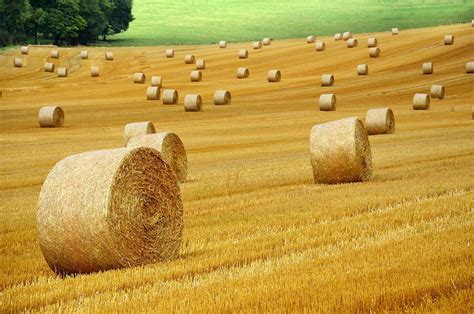
Hay is a type of grass, legume, or other herbaceous plants that have been cut, dried, and stored as a food source for livestock, particularly horses, cattle, and sheep. It is a crucial component of animal nutrition, providing essential fiber, energy, and nutrients. The process of harvesting and drying hay is known as haymaking, which typically involves cutting the plants at the optimal stage of maturity, allowing them to dry in the field, and then collecting and storing them in a dry location.
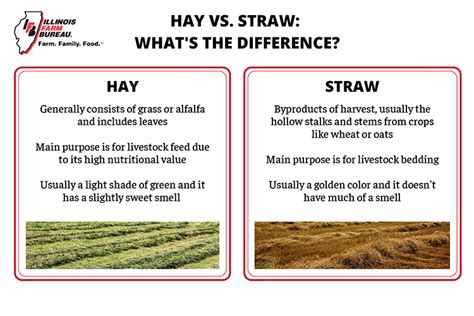
The quality and nutritional value of hay depend on various factors, including the type of plant, stage of maturity, and drying conditions. High-quality hay is typically characterized by its green color, fresh aroma, and absence of mold or weeds. There are several types of hay, including timothy hay, alfalfa hay, and clover hay, each with its unique nutritional profile and suitability for different livestock species.
Key Points
- Hay is a dried and stored food source for livestock, typically made from grasses, legumes, or other herbaceous plants.
- The quality of hay depends on factors such as plant type, maturity, and drying conditions.
- High-quality hay is characterized by its green color, fresh aroma, and absence of mold or weeds.
- There are various types of hay, including timothy, alfalfa, and clover hay, each with its unique nutritional profile.
- Hay is a crucial component of animal nutrition, providing essential fiber, energy, and nutrients.
Types of Hay
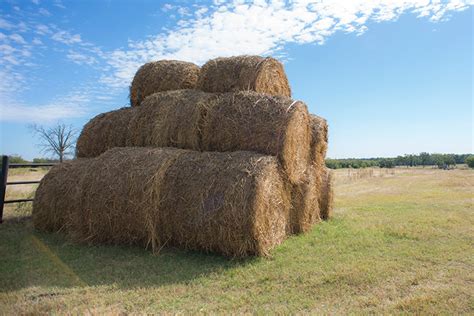
There are several types of hay, each with its unique characteristics and nutritional profile. Some of the most common types of hay include:
Timothy Hay
Timothy hay is a cool-season grass hay that is high in fiber and low in protein. It is a popular choice for horses and other livestock due to its palatability and digestibility. Timothy hay is typically harvested in the summer months and is characterized by its light green color and sweet aroma.
Alfalfa Hay
Alfalfa hay is a legume hay that is high in protein and energy. It is a popular choice for dairy cattle and other high-producing livestock due to its high nutritional value. Alfalfa hay is typically harvested in the summer months and is characterized by its dark green color and strong aroma.
| Type of Hay | Crude Protein (%) | Crude Fiber (%) |
|---|---|---|
| Timothy Hay | 8-10 | 25-30 |
| Alfalfa Hay | 15-20 | 20-25 |
| Clover Hay | 12-15 | 22-28 |
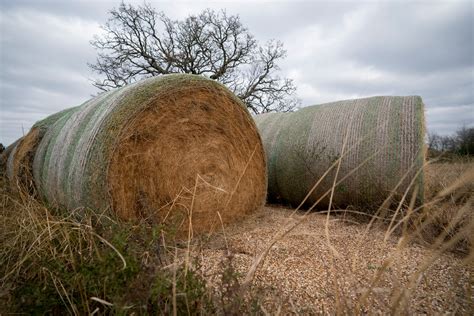
Hay Production and Management
Hay production and management involve several steps, including planting, harvesting, drying, and storing. The goal of hay production is to produce high-quality hay that is free from mold, weeds, and other contaminants. Proper hay management is critical to ensuring the quality and nutritional value of the hay, as well as the health and well-being of the livestock that consume it.
Hay production typically begins with planting a suitable crop, such as timothy or alfalfa, in well-drained soil with adequate moisture and nutrients. The crop is then allowed to mature, after which it is cut and dried in the field. The drying process typically involves leaving the cut crop in the field for several days, allowing it to dry to a moisture level of around 20%. The dried hay is then collected and stored in a dry location, such as a barn or shed.
Hay Storage and Handling
Proper hay storage and handling are critical to maintaining the quality and nutritional value of the hay. Hay should be stored in a dry, well-ventilated location, away from direct sunlight and moisture. It is also essential to handle hay carefully to avoid damage and contamination.
In addition to proper storage and handling, it is also essential to monitor the quality of the hay regularly. This can be done by checking the hay for signs of mold, weeds, or other contaminants, as well as testing the hay for nutritional content and quality.
What is the best type of hay for horses?
+The best type of hay for horses depends on several factors, including the horse's age, breed, and level of activity. Timothy hay is a popular choice for horses due to its palatability and digestibility, while alfalfa hay is often used for high-producing horses due to its high nutritional value.
How often should hay be tested for quality and nutritional content?
+Hay should be tested for quality and nutritional content regularly, ideally every 6-12 months. This can help ensure that the hay is free from contaminants and meets the nutritional needs of the livestock that consume it.
What are the signs of poor-quality hay?
+Poor-quality hay may be characterized by signs such as mold, weeds, or other contaminants. It may also have a musty or unpleasant odor, or be discolored or damp. Hay that is poor in quality can be detrimental to the health and well-being of livestock, and should be avoided whenever possible.
Meta Description: Learn about the different types of hay, their nutritional profiles, and how to produce and manage high-quality hay for livestock. Discover the importance of proper hay storage and handling, and how to test hay for quality and nutritional content.