Fire, a chemical reaction that involves the rapid oxidation of a fuel source, releasing heat, light, and various reaction products, has been a cornerstone of human civilization for centuries. The domestication of fire not only provided early humans with a means to cook their food, thereby increasing the bioavailability of nutrients, but it also served as a tool for warmth, light, and a method to ward off predators. Understanding fire is crucial for various aspects of life, from safety and prevention to its role in ecosystem management and industrial processes. The study of fire, or pyrology, encompasses a broad range of disciplines including chemistry, physics, and environmental science.
The phenomenon of fire is complex, involving a combination of fuel, oxygen, and an ignition source. This is often referred to as the fire triangle. The removal of any one of these elements can extinguish a fire, a principle that underlies firefighting techniques. Fire can also spread through conduction, convection, and radiation, making it a formidable force in both natural and man-made environments. The colors produced by fire, typically ranging from red (cooler) to blue (hotter), are indicative of the temperature of the fire, with the hottest fires appearing white due to the combination of all wavelengths of visible light being emitted.
Key Points
- The process of fire involves a rapid chemical reaction known as combustion, which requires fuel, oxygen, and an ignition source.
- Fire can spread through conduction, where it directly heats other materials, convection, where heated particles rise and spread the fire, and radiation, where heat is transferred through electromagnetic waves.
- The colors of fire are indicative of its temperature, with cooler fires appearing red and hotter fires appearing blue or white.
- Fire plays a crucial role in ecosystems, particularly in forests and grasslands, where it can help regenerate certain types of vegetation and maintain biodiversity.
- Understanding and managing fire is critical for preventing wildfires, which can have devastating effects on both the environment and human communities.
The Science of Fire

The science behind fire is multifaceted, involving chemistry, physics, and biology. Chemically, fire is a result of combustion, a reaction between a fuel source (such as wood, gasoline, or propane) and oxygen, which releases energy in the form of heat and light. This reaction can be highly exothermic, meaning it releases a significant amount of heat, which in turn can sustain the reaction. Physically, fire involves the principles of thermodynamics and the behavior of gases, as heated particles expand and rise, creating convection currents that can feed the fire more oxygen and spread it.
Fire Ecology
From an ecological standpoint, fire plays a vital role in the maintenance and regeneration of certain ecosystems. Many plant species, particularly in regions like the Mediterranean and parts of North America, have evolved to depend on periodic fires to open their seed pods or to clear away competing vegetation. This dependence on fire has led to the development of fire ecology as a distinct field of study, focusing on the role of fire in shaping ecosystems and the strategies that plants and animals have evolved to survive and thrive in fire-prone environments.
| Fire Type | Description | Temperature Range |
|---|---|---|
| Low-intensity Fire | Typically found in grasslands and savannas, these fires burn slowly and at relatively low temperatures. | 500°C to 800°C |
| High-intensity Fire | Characterized by rapid spread and high temperatures, often seen in forest fires. | 800°C to 1,200°C |
| Crown Fire | A type of high-intensity fire that spreads through the canopy of a forest. | 1,000°C to 1,500°C |

Safety and Prevention
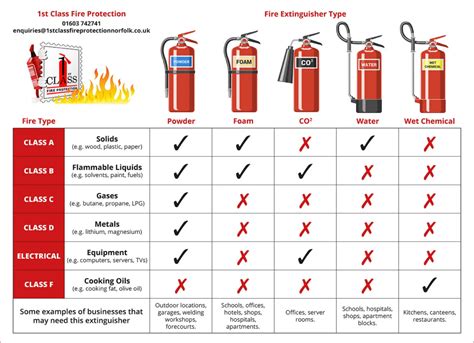
Given the potential dangers of fire, safety and prevention are critical aspects of fire management. This includes understanding the fire triangle and how to break it to extinguish a fire, as well as taking preventive measures such as ensuring electrical appliances are safely installed and used, storing flammable materials properly, and having functioning smoke detectors in homes and workplaces. In natural environments, prevention involves creating defensible spaces around homes and communities, implementing prescribed burning in fire-prone ecosystems, and enforcing strict regulations on open fires during periods of high fire danger.
Firefighting Techniques
Firefighting techniques vary depending on the type and location of the fire. For structural fires, this often involves a combination of water, foam, or dry chemical agents to smother the fire and cool the surrounding area. In wildfires, techniques can include creating firebreaks, using aerial water or retardant drops, and conducting backburning operations to starve the fire of fuel. The development of new technologies and strategies, such as the use of drones for fire monitoring and the application of advanced materials for firefighting gear, continues to evolve the field of firefighting.
In conclusion, fire is a complex and multifaceted phenomenon that plays a critical role in both natural ecosystems and human societies. Understanding its science, ecology, and safety aspects is essential for its responsible use and management. By appreciating the power and utility of fire, while also acknowledging its potential dangers, we can work towards a safer, more sustainable coexistence with this elemental force.
What are the three elements necessary for a fire to start?
+The three elements necessary for a fire to start are fuel, oxygen, and an ignition source. This is often referred to as the fire triangle.
How does fire spread in a natural environment?
+Fire can spread in a natural environment through conduction, where it directly heats other materials, convection, where heated particles rise and spread the fire, and radiation, where heat is transferred through electromagnetic waves.
What role does fire play in ecosystems?
+Fire plays a crucial role in the maintenance and regeneration of certain ecosystems, particularly in forests and grasslands, where it can help regenerate vegetation and maintain biodiversity.