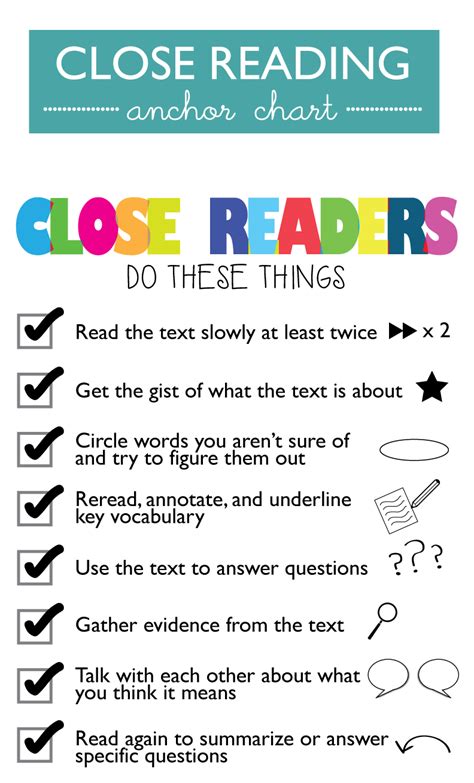
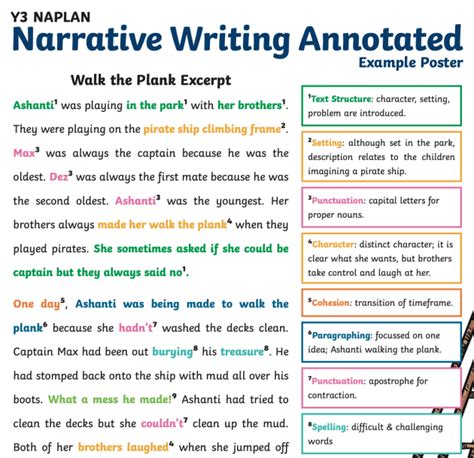
Close reading is a critical methodology used in literary analysis, which involves a meticulous and detailed examination of a text to uncover its underlying meanings, themes, and literary devices. This approach requires readers to engage with the text on a deep level, considering the ways in which language, structure, and style contribute to the overall effect of the work. By analyzing the text's linguistic, historical, and cultural contexts, close readers aim to uncover the complexities and nuances of the author's message, often revealing new insights and interpretations that may not be immediately apparent.
Key Points
- Close reading involves a detailed examination of a text's language, structure, and style to uncover its underlying meanings and themes.
- This approach requires readers to consider the historical, cultural, and literary contexts in which the text was written.
- Close reading can reveal new insights and interpretations of a text, often challenging initial impressions or assumptions.
- This methodology is essential for literary analysis, as it enables readers to engage with texts on a deeper level and appreciate their complexity and nuance.
- Close reading can be applied to various forms of texts, including poetry, fiction, drama, and nonfiction, to uncover their unique characteristics and meanings.
Origins and Evolution of Close Reading
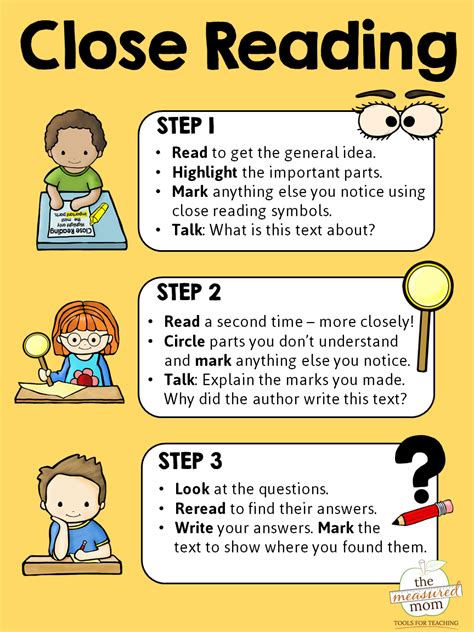
The concept of close reading has its roots in the early 20th century, particularly in the work of scholars such as I.A. Richards and William Empson. These critics emphasized the importance of analyzing a text’s language and literary devices to understand its meaning and significance. Over time, close reading has evolved to incorporate various critical approaches, including New Criticism, structuralism, and poststructuralism, each of which has contributed to the development of this methodology.
Key Principles of Close Reading
Close reading is guided by several key principles, including:
- Attention to detail: Close readers carefully examine the text’s language, structure, and style to identify patterns, motifs, and literary devices.
- Contextualization: Readers consider the historical, cultural, and literary contexts in which the text was written to understand its references, allusions, and cultural significance.
- Interpretation: Close readers aim to uncover the underlying meanings and themes of the text, often by analyzing its symbolism, imagery, and other literary elements.
- Multiple readings: Close readers recognize that texts can have multiple interpretations and meanings, and they strive to consider different perspectives and readings.
| Close Reading Techniques | Description |
|---|---|
| Lexical analysis | Examining the text's vocabulary and word choice to understand its connotations and implications. |
| Syntactical analysis | Analyzing the text's sentence structure and grammar to identify patterns and relationships. |
| Figurative language analysis | Examining the text's use of metaphors, similes, and other literary devices to understand its themes and symbolism. |
Applications and Implications of Close Reading
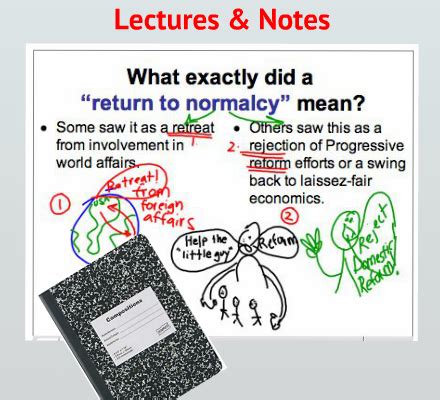
Close reading has numerous applications in literary studies, from analyzing poetry and fiction to understanding drama and nonfiction. This methodology is essential for literary critics, scholars, and students, as it enables them to engage with texts on a deeper level and appreciate their complexity and nuance. Moreover, close reading can be applied to various fields, including education, communication, and cultural studies, to foster critical thinking, analytical skills, and a deeper understanding of language and culture.
Challenges and Limitations of Close Reading
While close reading is a powerful methodology, it also has its challenges and limitations. One of the primary challenges is the risk of over-interpretation, where readers may impose their own meanings and interpretations on the text. Additionally, close reading can be time-consuming and labor-intensive, requiring readers to carefully examine the text and its contexts. Furthermore, close reading may not always be applicable to all types of texts or genres, and readers must be aware of these limitations when applying this methodology.
What is the primary goal of close reading?
+The primary goal of close reading is to uncover the underlying meanings, themes, and literary devices of a text, often by analyzing its language, structure, and style.
How does close reading differ from other literary analysis methods?
+Close reading is distinct from other literary analysis methods in its focus on the text’s language, structure, and style, as well as its emphasis on uncovering the underlying meanings and themes of the text.
Can close reading be applied to non-literary texts?
+Yes, close reading can be applied to non-literary texts, such as speeches, advertisements, and historical documents, to analyze their language, structure, and style, and to uncover their underlying meanings and themes.