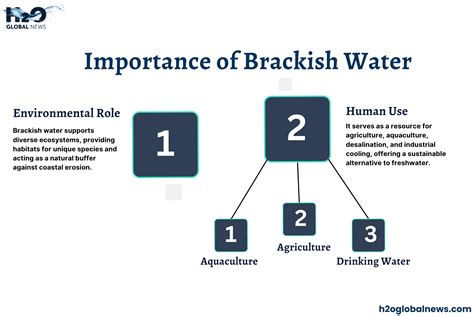
Brackish water, a mixture of fresh and saltwater, is a unique and fascinating environment that supports a wide range of aquatic life. Found in estuaries, mangroves, and coastal areas, brackish water plays a crucial role in the global ecosystem. In this article, we will delve into the world of brackish water, exploring its characteristics, importance, and the challenges it faces. To begin, let's examine five key facts about brackish water that highlight its significance and complexity.
Key Points
- Brackish water is a mixture of fresh and saltwater, with a salinity range of 0.5-35 parts per thousand (ppt).
- The unique combination of fresh and saltwater in brackish environments supports a diverse range of aquatic life, including plants, animals, and microorganisms.
- Brackish water ecosystems, such as estuaries and mangroves, provide vital ecosystem services, including shoreline protection, water filtration, and nutrient cycling.
- Human activities, such as coastal development, pollution, and climate change, pose significant threats to brackish water ecosystems and the species that depend on them.
- Conservation efforts, including the protection of mangroves and the restoration of degraded habitats, are essential for maintaining the health and resilience of brackish water ecosystems.
Characteristics of Brackish Water
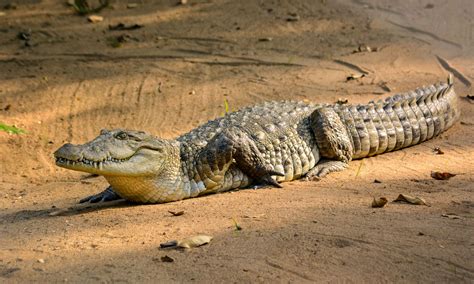
Brackish water is defined as a mixture of fresh and saltwater, with a salinity range of 0.5-35 parts per thousand (ppt). This unique combination of fresh and saltwater creates a complex and dynamic environment that supports a wide range of aquatic life. The salinity of brackish water can vary significantly depending on factors such as tidal cycles, rainfall, and human activities. For example, the salinity of an estuary may be higher during periods of low rainfall and lower during periods of high rainfall.
Importance of Brackish Water Ecosystems
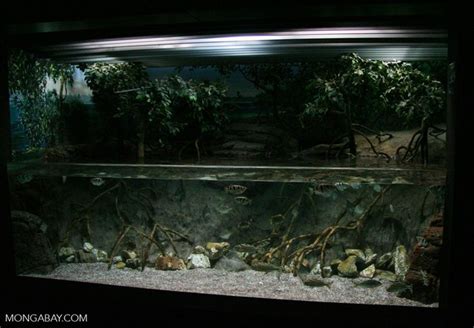
Brackish water ecosystems, such as estuaries and mangroves, provide vital ecosystem services that support both human and aquatic life. These ecosystems play a crucial role in shoreline protection, water filtration, and nutrient cycling. Mangroves, for example, help to protect shorelines from erosion and storm damage, while also providing a habitat for a diverse range of marine species. Estuaries, on the other hand, serve as important nurseries for many commercial fish species, supporting the growth and development of juvenile fish.
| Brackish Water Ecosystem | Ecosystem Service |
|---|---|
| Mangroves | Shoreline protection, water filtration, nutrient cycling |
| Estuaries | Nurseries for commercial fish species, water filtration, nutrient cycling |
| Salt Marshes | Water filtration, nutrient cycling, habitat for marine species |
Challenges Facing Brackish Water Ecosystems

Brackish water ecosystems face a range of challenges, including human activities such as coastal development, pollution, and climate change. These activities can lead to habitat destruction, water quality degradation, and changes in species composition. Climate change, for example, is causing sea levels to rise, leading to increased flooding and saltwater intrusion into freshwater sources. This can have devastating effects on brackish water ecosystems, including the loss of habitat and the displacement of species.
Conservation Efforts
Conservation efforts are essential for maintaining the health and resilience of brackish water ecosystems. This can include the protection of mangroves and the restoration of degraded habitats. Restoration efforts can involve the replanting of mangroves, the removal of invasive species, and the rehabilitation of water quality. Additionally, conservation efforts can focus on reducing human impacts, such as reducing pollution and minimizing coastal development.
What is the importance of brackish water ecosystems?
+Brackish water ecosystems provide vital ecosystem services, including shoreline protection, water filtration, and nutrient cycling. These ecosystems support a wide range of aquatic life and play a crucial role in maintaining biodiversity and ecosystem health.
What are the main challenges facing brackish water ecosystems?
+Brackish water ecosystems face a range of challenges, including human activities such as coastal development, pollution, and climate change. These activities can lead to habitat destruction, water quality degradation, and changes in species composition.
What conservation efforts can be taken to protect brackish water ecosystems?
+Conservation efforts can include the protection of mangroves and the restoration of degraded habitats. Additionally, conservation efforts can focus on reducing human impacts, such as reducing pollution and minimizing coastal development.
In conclusion, brackish water ecosystems are complex and dynamic environments that support a wide range of aquatic life. These ecosystems provide vital ecosystem services, including shoreline protection, water filtration, and nutrient cycling. However, brackish water ecosystems face a range of challenges, including human activities such as coastal development, pollution, and climate change. Conservation efforts are essential for maintaining the health and resilience of brackish water ecosystems, and can include the protection of mangroves and the restoration of degraded habitats. By taking action to protect these ecosystems, we can help to maintain biodiversity and ecosystem health, and ensure the long-term sustainability of these vital environments.