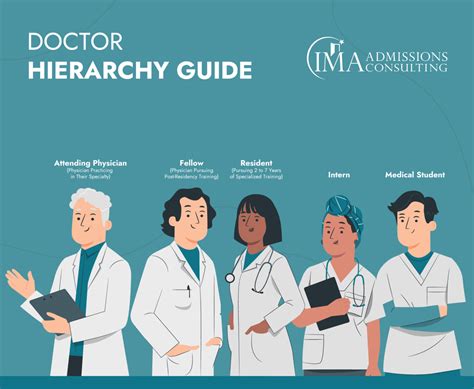
An attending physician is a medical doctor who has completed their residency training and has been granted privileges to practice independently in a hospital or clinical setting. They are responsible for the overall care and management of patients, and are often the primary point of contact for patients and their families. Attending physicians are also responsible for supervising and teaching residents and medical students, and may be involved in research and administrative activities.
Attending physicians play a critical role in the healthcare system, as they are responsible for making complex medical decisions and providing high-quality patient care. They must possess strong clinical skills, as well as excellent communication and interpersonal skills, in order to effectively interact with patients, families, and other healthcare professionals. Attending physicians must also stay up-to-date with the latest medical research and guidelines, and must be able to apply this knowledge to their clinical practice.
Key Points
- An attending physician is a medical doctor who has completed their residency training and has been granted privileges to practice independently.
- Attending physicians are responsible for the overall care and management of patients, and are often the primary point of contact for patients and their families.
- They are responsible for supervising and teaching residents and medical students, and may be involved in research and administrative activities.
- Attending physicians must possess strong clinical skills, as well as excellent communication and interpersonal skills.
- They must stay up-to-date with the latest medical research and guidelines, and must be able to apply this knowledge to their clinical practice.
Roles and Responsibilities of an Attending Physician
Attending physicians have a wide range of roles and responsibilities, including:
- Providing direct patient care, including diagnosing and treating illnesses, and developing treatment plans.
- Supervising and teaching residents and medical students, and providing feedback on their performance.
- Conducting research and publishing papers on medical topics, in order to advance the field and improve patient care.
- Participating in administrative activities, such as serving on hospital committees and contributing to quality improvement initiatives.
- Communicating with patients and their families, and providing them with information and support.
Types of Attending Physicians
There are many different types of attending physicians, each with their own area of specialization and expertise. Some examples include:
- Primary care physicians, such as internists and family medicine doctors, who provide routine and preventive care to patients.
- Specialist physicians, such as cardiologists and oncologists, who provide specialized care to patients with specific medical conditions.
- Surgical physicians, such as general surgeons and orthopedic surgeons, who perform operations and provide post-operative care to patients.
- Emergency medicine physicians, who provide urgent and emergency care to patients in hospital emergency departments.
| Specialty | Description |
|---|---|
| Internal Medicine | Primary care for adults, with a focus on prevention and management of chronic diseases. |
| Family Medicine | Primary care for patients of all ages, with a focus on prevention and management of common medical conditions. |
| Cardiology | Specialized care for patients with heart and blood vessel diseases. |
| Oncology | Specialized care for patients with cancer. |
Education and Training of an Attending Physician
Attending physicians have typically completed a minimum of 11 years of education and training after high school, including:
- 4 years of undergraduate education, resulting in a bachelor's degree.
- 4 years of medical school, resulting in a Doctor of Medicine (M.D.) or Doctor of Osteopathic Medicine (D.O.) degree.
- 3-7 years of residency training, during which they work under the supervision of experienced physicians to develop their clinical skills and knowledge.
After completing their residency training, attending physicians must obtain a medical license to practice in their state, and may also choose to pursue additional specialized training through fellowship programs.
Certification and Licensure
Attending physicians must be certified by a professional medical organization, such as the American Board of Internal Medicine (ABIM) or the American Board of Family Medicine (ABFM). They must also be licensed to practice medicine in their state, which typically requires passing the United States Medical Licensing Examination (USMLE) or the Comprehensive Osteopathic Medical Licensing Examination (COMLEX) series.
What is the role of an attending physician in a hospital setting?
+The attending physician is responsible for the overall care and management of patients, and is often the primary point of contact for patients and their families. They supervise and teach residents and medical students, and may be involved in research and administrative activities.
How do attending physicians stay current with the latest medical research and guidelines?
+Attending physicians stay current with the latest medical research and guidelines by attending conferences and workshops, reading medical journals, and participating in online educational activities. They must also commit to ongoing learning and professional development, and apply this knowledge to their clinical practice.
What are the different types of attending physicians?
+There are many different types of attending physicians, including primary care physicians, specialist physicians, surgical physicians, and emergency medicine physicians. Each type of attending physician has their own area of specialization and expertise, and provides care to patients with specific medical needs.