A retailer is a business or individual that sells products or services directly to consumers, often through various channels such as physical stores, e-commerce websites, or mobile applications. Retailers play a crucial role in the supply chain, acting as intermediaries between manufacturers or wholesalers and end-users. They are responsible for marketing, pricing, and distributing products to meet customer demand, while also providing customer service and support. Retailers can operate in various sectors, including food, clothing, electronics, home goods, and more, offering a wide range of products to cater to diverse consumer needs.
The primary function of a retailer is to connect consumers with the products they desire, making it convenient for them to purchase goods and services. Retailers achieve this by sourcing products from suppliers, managing inventory, setting prices, and creating an engaging shopping experience. In today's digital age, retailers must also navigate the complexities of e-commerce, including online marketing, digital payment systems, and logistics management. Effective retailers balance their business operations with consumer needs, ensuring that products are available, affordable, and appealing to their target audience.
Key Points
- Retailers sell products or services directly to consumers through various channels.
- Retailers are responsible for marketing, pricing, and distributing products.
- Retailers operate in various sectors, including food, clothing, electronics, and more.
Types of Retailers
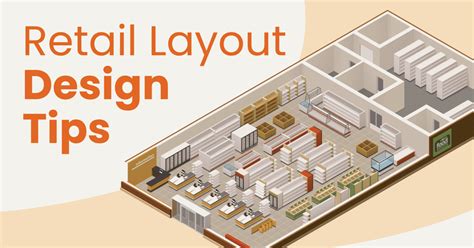
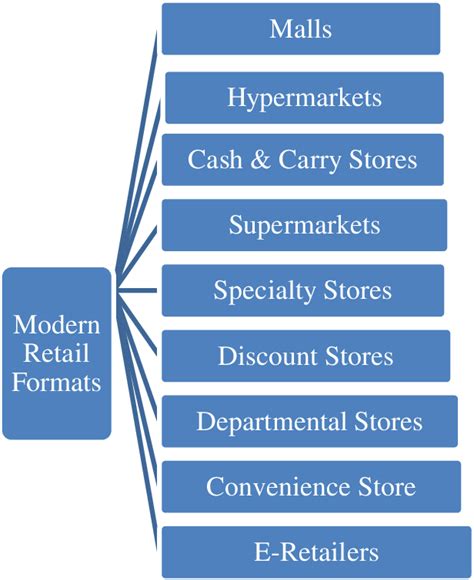
Retailers can be categorized into different types based on their business model, product offerings, and target market. Some common types of retailers include:
- Department Stores: These retailers offer a wide range of products under one roof, including clothing, home goods, and electronics.
- Specialty Stores: These retailers focus on specific product categories, such as sporting goods, jewelry, or books.
- Discount Stores: These retailers offer products at lower prices, often by reducing costs and minimizing services.
- E-commerce Retailers: These retailers operate primarily online, selling products through digital channels.
- Direct Sellers: These retailers sell products directly to consumers through in-person demonstrations, online platforms, or catalogs.
Benefits of Retailing
Retailing provides numerous benefits to consumers, manufacturers, and the economy as a whole. Some of the key advantages of retailing include:
- Convenience: Retailers make it easy for consumers to purchase products, often with flexible payment options and return policies.
- Product Variety: Retailers offer a wide range of products, allowing consumers to compare and choose the best options for their needs.
- Job Creation: Retailing is a significant employer, providing jobs for millions of people worldwide.
- Economic Growth: Retailing contributes to economic growth by generating sales, taxes, and investments.
- Customer Service: Retailers provide essential customer support, helping consumers with product inquiries, returns, and repairs.
| Retail Sector | Number of Employees | Economic Contribution |
|---|---|---|
| Food Retailing | 5.5 million | $1.1 trillion |
| Clothing Retailing | 2.8 million | $450 billion |
| Electronics Retailing | 1.2 million | $300 billion |
Challenges Facing Retailers
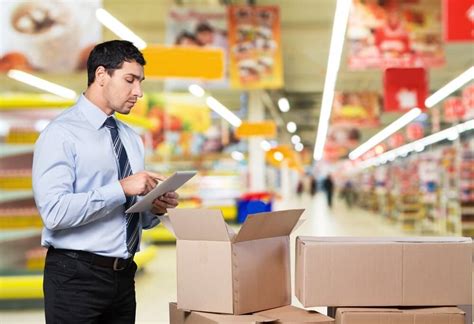
Retailers face numerous challenges in today’s competitive market, including:
- Intense Competition: The retail landscape is highly competitive, with numerous players vying for market share.
- Changing Consumer Behaviors: Consumers are increasingly expecting personalized experiences, convenience, and sustainability from retailers.
- Digital Disruption: The rise of e-commerce and digital platforms has forced retailers to adapt their business models and invest in technology.
- Logistical Complexity: Retailers must manage complex supply chains, inventory, and logistics to ensure products are available and delivered efficiently.
- Regulatory Compliance: Retailers must comply with various regulations, including tax laws, employment laws, and consumer protection laws.
Strategies for Retail Success
To overcome the challenges facing retailers, businesses can adopt several strategies, including:
- Omnichannel Retailing: Integrating online and offline channels to provide seamless customer experiences.
- Personalized Marketing: Using data and analytics to create targeted marketing campaigns and offers.
- Customer Experience Focus: Prioritizing customer service, convenience, and satisfaction to build loyalty and retention.
- Digital Transformation: Investing in technology, such as artificial intelligence, blockchain, and the Internet of Things, to enhance operations and customer experiences.
- Sustainability and Social Responsibility: Embracing environmentally friendly practices, fair labor standards, and community engagement to appeal to conscious consumers.
What is the primary function of a retailer?
+The primary function of a retailer is to connect consumers with the products they desire, making it convenient for them to purchase goods and services.
What are the different types of retailers?
+Retailers can be categorized into different types, including department stores, specialty stores, discount stores, e-commerce retailers, and direct sellers.
What are the benefits of retailing?
+Retailing provides numerous benefits, including convenience, product variety, job creation, economic growth, and customer service.
Meta Description: Discover the role of retailers in the supply chain, types of retailers, benefits of retailing, and strategies for retail success in today’s competitive market. (149 characters)