A resident doctor, also known as a resident physician, is a medical doctor who has completed their medical degree and is undergoing specialized training in a specific area of medicine. This training, known as residency, typically lasts from three to seven years and is a critical component of a doctor's education and preparation for independent practice. During this period, resident doctors work under the supervision of experienced attending physicians to gain hands-on experience in diagnosing and treating patients, developing their clinical skills, and refining their decision-making abilities.
The role of a resident doctor is multifaceted, involving a mix of patient care, education, and research. They are responsible for evaluating patients, developing treatment plans, performing procedures, and monitoring patient progress. Resident doctors also participate in educational activities such as lectures, workshops, and conferences to stay updated on the latest medical advancements and guidelines. Furthermore, they may be involved in research projects, contributing to the development of new treatments and therapies. The experience gained during residency is essential for resident doctors to become proficient in their chosen specialty and to prepare for board certification exams.
Key Points
- A resident doctor is a medical doctor undergoing specialized training in a specific area of medicine.
- Residency training typically lasts from three to seven years and is supervised by experienced attending physicians.
- Resident doctors are involved in patient care, education, and research, developing their clinical skills and decision-making abilities.
- The experience gained during residency is crucial for becoming proficient in a chosen specialty and preparing for board certification exams.
- Resident doctors participate in educational activities and may contribute to research projects, advancing medical knowledge and practice.
The Role and Responsibilities of a Resident Doctor
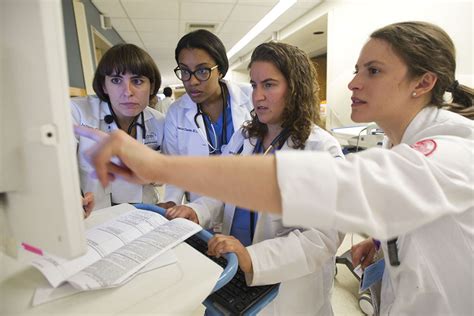
Resident doctors play a vital role in the healthcare system, serving as a bridge between medical school and independent practice. Their responsibilities are diverse and demanding, requiring a high level of dedication, hard work, and commitment to patient care. Some of the key responsibilities of a resident doctor include conducting patient interviews, performing physical examinations, ordering and interpreting diagnostic tests, developing and implementing treatment plans, and communicating with patients and their families about diagnoses, prognoses, and treatment options.
Resident doctors also work closely with other healthcare professionals, including nurses, pharmacists, and therapists, to provide comprehensive care. They are expected to stay current with the latest medical literature and guidelines, applying evidence-based medicine in their practice. Additionally, resident doctors may be involved in teaching medical students, contributing to the education of the next generation of physicians. The clinical experience and skills acquired during residency are essential for resident doctors to develop into competent, compassionate, and professional physicians.
Types of Residency Programs
There are various types of residency programs, each focusing on a specific medical specialty or subspecialty. These programs are designed to provide resident doctors with the knowledge, skills, and experience needed to practice in their chosen field. Some of the most common types of residency programs include internal medicine, surgery, pediatrics, obstetrics and gynecology, psychiatry, and family medicine. Each program has its unique curriculum, rotations, and requirements, reflecting the distinct demands and complexities of the specialty.
| Specialty | Description |
|---|---|
| Internal Medicine | Focused on the prevention, diagnosis, and treatment of adult diseases. |
| Surgery | Involves the diagnosis and treatment of conditions requiring surgical intervention. |
| Pediatrics | Concentrates on the health and well-being of infants, children, and adolescents. |
| Obstetrics and Gynecology | Covers women's health, pregnancy, childbirth, and disorders of the reproductive system. |
| Psychiatry | Deals with the diagnosis, treatment, and prevention of mental, emotional, and behavioral disorders. |
Challenges Faced by Resident Doctors
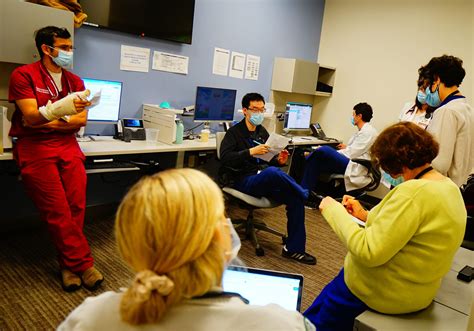
Resident doctors face numerous challenges during their training, including heavy workloads, long hours, and high levels of stress. They must balance the demands of patient care with the need to learn and master new skills, often in a fast-paced and dynamic environment. Resident doctors also face emotional challenges, such as dealing with patient suffering, death, and the ethical dilemmas that arise in medical practice. Furthermore, they may experience burnout, a state of physical, emotional, and mental exhaustion caused by prolonged stress, overwork, and lack of balance in life.
Despite these challenges, the residency period is also a time of significant growth and development for resident doctors. They have the opportunity to work with experienced mentors, learn from their mistakes, and develop the skills and confidence needed to become independent practitioners. With the right support, guidance, and resources, resident doctors can navigate the challenges of residency and emerge as competent, compassionate, and professional physicians.
Support Systems for Resident Doctors
To address the challenges faced by resident doctors, healthcare institutions and professional organizations have established various support systems. These include mentorship programs, counseling services, and wellness initiatives, designed to promote physical and mental well-being, reduce stress, and enhance resilience. Resident doctors also have access to educational resources, such as workshops, conferences, and online courses, to help them develop their clinical skills and stay updated on the latest medical advancements.
In addition, many residency programs have implemented policies to reduce work hours, improve work-life balance, and enhance the overall quality of life for resident doctors. These efforts recognize the importance of supporting the well-being and development of resident doctors, not only for their own benefit but also for the benefit of their patients and the healthcare system as a whole.
What is the purpose of residency training for doctors?
+The purpose of residency training is to provide doctors with the specialized knowledge, skills, and experience needed to practice in their chosen medical specialty. It is a critical component of a doctor's education and preparation for independent practice.
How long does residency training typically last?
+Residency training typically lasts from three to seven years, depending on the medical specialty and the specific program.
What are some of the challenges faced by resident doctors?
+Resident doctors face numerous challenges, including heavy workloads, long hours, high levels of stress, and emotional challenges such as dealing with patient suffering and death. They may also experience burnout, a state of physical, emotional, and mental exhaustion.
Meta Description: Discover the role and responsibilities of a resident doctor, including their training, challenges, and support systems. Learn about the different types of residency programs and the importance of residency training for doctors.