A family physician, also known as a general practitioner or primary care physician, is a medical doctor who provides comprehensive and continuous care to individuals and families. They are trained to diagnose and treat a wide range of medical conditions, from routine check-ups and preventive care to acute and chronic illnesses. Family physicians are often the first point of contact for patients within the healthcare system, and they play a crucial role in coordinating care and referring patients to specialists when necessary.
Family physicians are unique in their ability to provide care to patients of all ages, from infants to older adults. They are trained to address the physical, emotional, and social aspects of health, and they often develop long-term relationships with their patients. This allows them to understand their patients' medical histories, lifestyles, and personal preferences, enabling them to provide personalized and effective care. Family physicians are also skilled in health promotion, disease prevention, and patient education, which are essential components of comprehensive primary care.
Key Points
- Family physicians provide comprehensive and continuous care to individuals and families.
- They are trained to diagnose and treat a wide range of medical conditions, from routine check-ups to acute and chronic illnesses.
- Family physicians play a crucial role in coordinating care and referring patients to specialists when necessary.
- They are skilled in health promotion, disease prevention, and patient education.
- Family physicians often develop long-term relationships with their patients, allowing them to provide personalized and effective care.
Role and Responsibilities

Family physicians have a broad range of responsibilities, including diagnosing and treating illnesses, conducting routine check-ups and health screenings, and providing preventive care such as vaccinations and health education. They also coordinate care with other healthcare professionals, such as specialists and nurses, to ensure that their patients receive comprehensive and continuous care. In addition, family physicians often provide emotional support and counseling to their patients, addressing issues such as stress, anxiety, and depression.
Family physicians must also stay up-to-date with the latest medical research and technologies, attending conferences and workshops to enhance their knowledge and skills. They must also be skilled in communicating effectively with their patients, listening to their concerns and responding to their questions and needs. This requires strong interpersonal and communication skills, as well as empathy and compassion.
Education and Training
Family physicians undergo extensive education and training to prepare them for their role. They typically complete a four-year undergraduate degree, followed by four years of medical school to earn their Doctor of Medicine (M.D.) or Doctor of Osteopathic Medicine (D.O.) degree. After medical school, they complete a three-year family medicine residency program, which provides hands-on training in clinical settings.
During their residency, family physicians work under the supervision of experienced physicians, learning how to diagnose and treat a wide range of medical conditions. They also develop their skills in communication, patient education, and practice management. After completing their residency, family physicians must pass a licensing exam to become board certified, demonstrating their expertise and competence in family medicine.
| Education and Training | Duration |
|---|---|
| Undergraduate degree | 4 years |
| Medical school | 4 years |
| Family medicine residency program | 3 years |

Benefits of Having a Family Physician
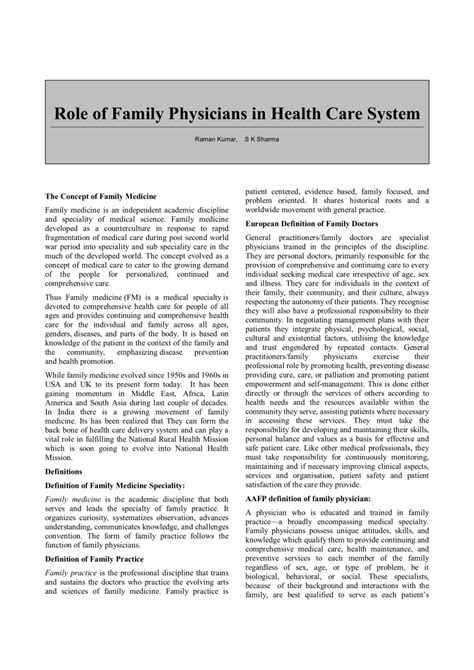
Havig a family physician provides numerous benefits, including improved health outcomes, increased patient satisfaction, and reduced healthcare costs. Family physicians are able to provide personalized care, taking into account their patients’ unique needs and circumstances. They are also able to coordinate care with other healthcare professionals, ensuring that their patients receive comprehensive and continuous care.
Family physicians play a critical role in preventive care, helping patients to maintain healthy lifestyles and prevent illnesses. They are also skilled in health promotion, providing education and counseling on topics such as nutrition, exercise, and stress management. By having a family physician, patients can develop a long-term relationship with their healthcare provider, allowing them to receive consistent and effective care.
Challenges Facing Family Physicians
Family physicians face numerous challenges, including increasing administrative burdens, declining reimbursement rates, and a growing shortage of primary care physicians. They must also stay up-to-date with the latest medical research and technologies, which can be time-consuming and costly. Additionally, family physicians often work long hours, including evenings and weekends, to meet the needs of their patients.
Despite these challenges, family physicians remain committed to providing high-quality care to their patients. They are passionate about their work and are dedicated to making a positive impact on the lives of their patients. By supporting family physicians and recognizing the importance of their role, we can work to address the challenges they face and ensure that they are able to continue providing comprehensive and continuous care to individuals and families.
What is the role of a family physician?
+A family physician provides comprehensive and continuous care to individuals and families, diagnosing and treating a wide range of medical conditions, and coordinating care with other healthcare professionals.
What education and training do family physicians receive?
+Family physicians typically complete a four-year undergraduate degree, followed by four years of medical school, and a three-year family medicine residency program.
What are the benefits of having a family physician?
+Havig a family physician provides numerous benefits, including improved health outcomes, increased patient satisfaction, and reduced healthcare costs, as well as personalized care and coordination with other healthcare professionals.