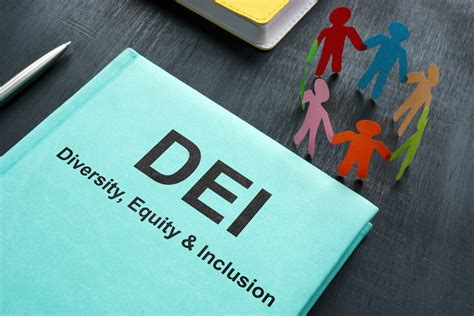
Diversity, Equity, and Inclusion (DEI) is a term that refers to the practices, policies, and programs that promote the representation and participation of diverse groups of people, including but not limited to, racial and ethnic minorities, women, LGBTQ+ individuals, people with disabilities, and other underrepresented groups. The goal of DEI is to create an environment where everyone feels valued, respected, and empowered to contribute their unique perspectives and talents.
Breaking Down DEI
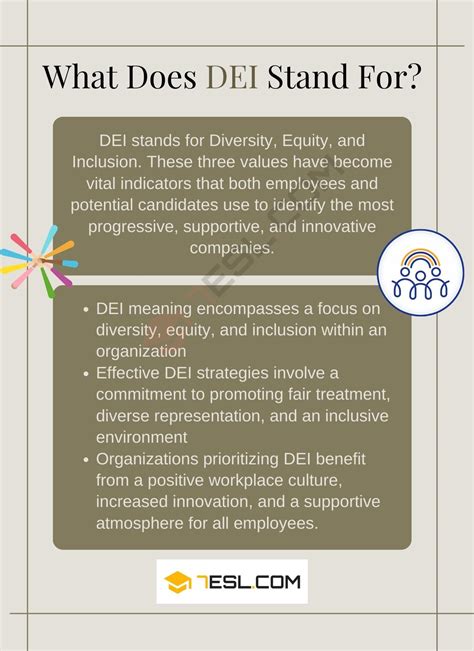
Diversity refers to the presence of different groups or individuals with unique characteristics, experiences, and perspectives within a given setting. Equity, on the other hand, refers to the fair and just distribution of resources, opportunities, and benefits to ensure that everyone has an equal chance to succeed. Inclusion refers to the act of creating an environment where everyone feels welcome, valued, and supported, and where their contributions are recognized and respected.
Diversity
Diversity encompasses various aspects, including but not limited to:
- Racial and ethnic diversity
- Gender diversity
- LGBTQ+ diversity
- Disability diversity
- Socioeconomic diversity
- Cultural diversity
Equity
Equity involves addressing the historical and systemic barriers that have prevented certain groups from accessing resources, opportunities, and benefits. This includes:
- Addressing biases and discrimination
- Providing equal access to education and job opportunities
- Ensuring fair representation and decision-making power
- Addressing health disparities and unequal access to healthcare
Inclusion
Inclusion involves creating an environment where everyone feels valued, respected, and supported. This includes:
- Creating a welcoming and inclusive culture
- Providing opportunities for participation and engagement
- Encouraging diverse perspectives and ideas
- Addressing microaggressions and creating a safe space for feedback
Key Points
- Diversity refers to the presence of different groups or individuals with unique characteristics, experiences, and perspectives.
- Equity refers to the fair and just distribution of resources, opportunities, and benefits.
- Inclusion refers to the act of creating an environment where everyone feels welcome, valued, and supported.
- DEI is essential for creating a fair and just society where everyone has an equal chance to succeed.
- DEI involves addressing historical and systemic barriers, creating a welcoming culture, and providing opportunities for participation and engagement.
DEI is not just a moral imperative, but also a business and economic imperative. Companies that prioritize DEI tend to outperform those that do not, and are more likely to attract and retain top talent, improve customer satisfaction, and increase revenue. Furthermore, DEI is essential for creating a fair and just society where everyone has an equal chance to succeed.
| DEI Metrics | Target Values |
|---|---|
| Diversity Index | 80% or higher |
| Equity Gap | Less than 10% |
| Inclusion Survey | 90% or higher satisfaction rate |

In conclusion, DEI is a critical component of creating a fair and just society. By prioritizing diversity, equity, and inclusion, we can create an environment where everyone feels valued, respected, and empowered to contribute their unique perspectives and talents.
What is the importance of DEI in the workplace?
+DEI is essential in the workplace because it promotes a culture of inclusion, respect, and empathy. This leads to increased employee satisfaction, retention, and productivity, as well as improved customer satisfaction and revenue.
How can organizations measure the effectiveness of their DEI initiatives?
+Organizations can measure the effectiveness of their DEI initiatives by tracking metrics such as diversity index, equity gap, and inclusion survey results. They can also conduct regular feedback sessions and surveys to assess the impact of their initiatives on employees and customers.
What are some common challenges that organizations face when implementing DEI initiatives?
+Common challenges that organizations face when implementing DEI initiatives include resistance to change, lack of resources, and difficulty in measuring effectiveness. Additionally, organizations may struggle to address systemic barriers and biases, and to create a culture of inclusion and respect.