Aerospace engineers have been at the forefront of designing spacecraft that have enabled humans to explore space and push the boundaries of what is thought to be possible. With their expertise in aerodynamics, propulsion systems, and materials science, these engineers have been able to create spacecraft that can withstand the harsh conditions of space and travel to distant planets. From the early days of space exploration to the present, aerospace engineers have played a crucial role in designing spacecraft that have expanded our knowledge of the universe and inspired new generations of scientists and engineers.
The design of a spacecraft is a complex and challenging task that requires careful consideration of a wide range of factors, including the mission objectives, the environment in which the spacecraft will operate, and the resources available. Aerospace engineers must use their knowledge of physics, mathematics, and materials science to design a spacecraft that can withstand the stresses of launch, navigate through the vacuum of space, and operate in extreme temperatures. They must also ensure that the spacecraft is equipped with the necessary systems and instruments to collect data, communicate with Earth, and support the needs of the crew.
Key Points
- Aerospace engineers play a critical role in designing spacecraft that can withstand the harsh conditions of space and travel to distant planets.
- The design of a spacecraft requires careful consideration of mission objectives, environment, and resources.
- Aerospace engineers must use their knowledge of physics, mathematics, and materials science to design a spacecraft that can operate in extreme temperatures and navigate through the vacuum of space.
- Spacecraft design involves a wide range of systems and instruments, including propulsion, communication, and life support systems.
- Aerospace engineers must balance competing design requirements, such as weight, cost, and performance, to create a spacecraft that meets the needs of the mission.
Spacecraft Design Process
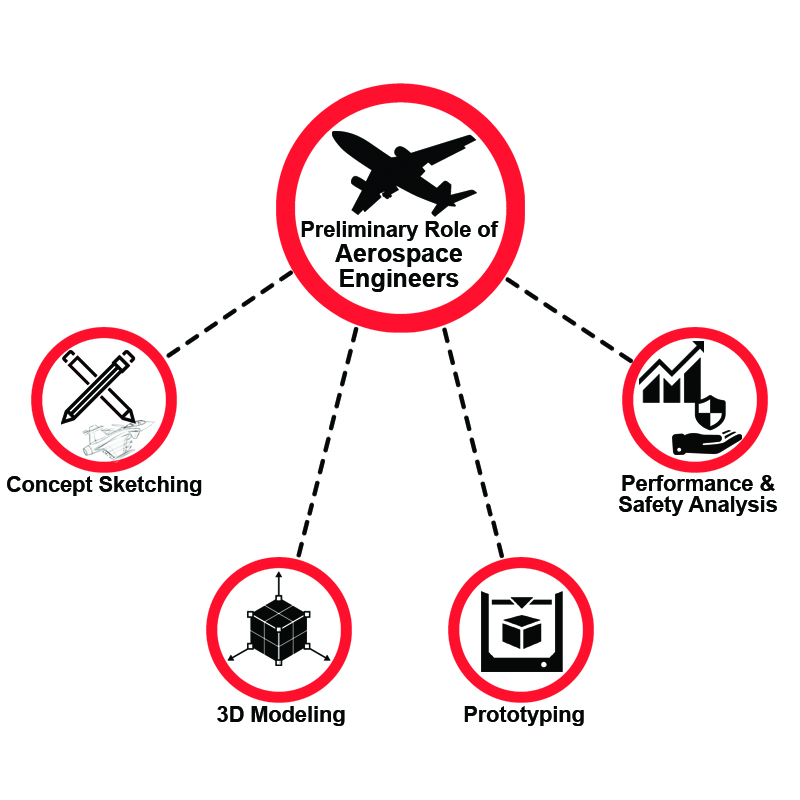
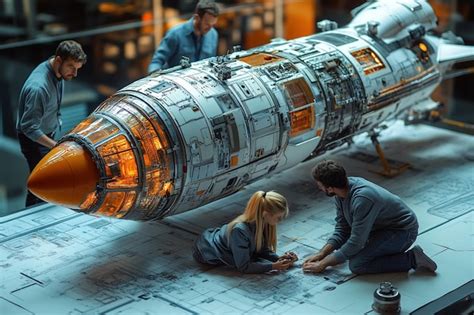
The design process for a spacecraft typically begins with a definition of the mission objectives and requirements. This includes determining the purpose of the mission, the destination, and the payload that the spacecraft will carry. Aerospace engineers will then use this information to develop a conceptual design for the spacecraft, taking into account factors such as the launch vehicle, the propulsion system, and the communication systems. The design will be refined and detailed through a series of iterations, with the engineers using computer simulations and modeling to test and optimize the design.
Structural Integrity and Materials
One of the critical aspects of spacecraft design is ensuring the structural integrity of the vehicle. Aerospace engineers must select materials that can withstand the stresses of launch, the vacuum of space, and the extreme temperatures that the spacecraft will encounter. This requires a deep understanding of the properties of different materials, including their strength, stiffness, and thermal conductivity. The engineers will also use advanced computer simulations to model the behavior of the spacecraft’s structure under different loading conditions, allowing them to optimize the design and ensure that the spacecraft can withstand the stresses of flight.
| Material Property | Value |
|---|---|
| Tensile Strength | 1000 MPa |
| Young's Modulus | 70 GPa |
| Thermal Conductivity | 10 W/mK |
Propulsion Systems
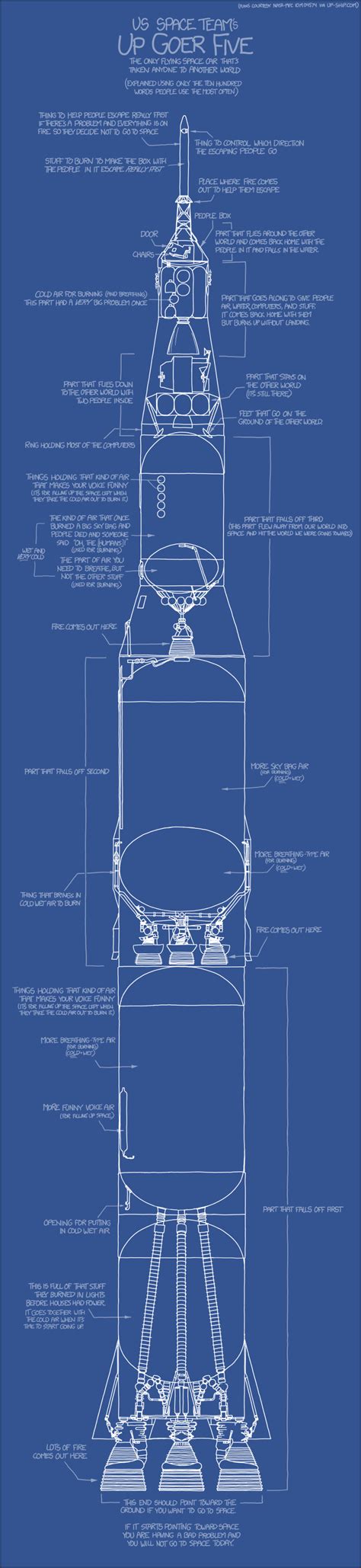
The propulsion system is another critical component of a spacecraft, responsible for generating the thrust needed to escape Earth’s gravity and travel to other planets. Aerospace engineers have developed a range of propulsion systems, including chemical rockets, ion engines, and Hall effect thrusters. Each of these systems has its own advantages and disadvantages, and the choice of propulsion system will depend on the specific requirements of the mission. For example, chemical rockets are often used for launch vehicles, while ion engines are used for interplanetary missions where high efficiency is required.
Communication Systems
Communication systems are also essential for spacecraft, allowing them to transmit data back to Earth and receive commands from mission control. Aerospace engineers must design communication systems that can operate over vast distances, using antennas and transceivers to transmit and receive signals. The communication system must also be able to withstand the harsh conditions of space, including radiation and extreme temperatures.
What is the primary challenge in designing a spacecraft?
+The primary challenge in designing a spacecraft is balancing competing requirements, such as weight, cost, and performance, to create a vehicle that can withstand the harsh conditions of space and achieve the mission objectives.
What is the role of aerospace engineers in spacecraft design?
+Aerospace engineers play a critical role in designing spacecraft, using their knowledge of physics, mathematics, and materials science to create a vehicle that can operate in extreme temperatures and navigate through the vacuum of space.
What are the key components of a spacecraft propulsion system?
+The key components of a spacecraft propulsion system include the engine, fuel, and control systems. The choice of propulsion system will depend on the specific requirements of the mission, including the distance to be traveled and the payload to be carried.
In conclusion, the design of a spacecraft is a complex and challenging task that requires careful consideration of a wide range of factors, including the mission objectives, the environment, and the resources available. Aerospace engineers play a critical role in this process, using their knowledge of physics, mathematics, and materials science to create a vehicle that can withstand the harsh conditions of space and achieve the mission objectives. By understanding the key components of spacecraft design, including structural integrity, propulsion systems, and communication systems, engineers can create spacecraft that expand our knowledge of the universe and inspire new generations of scientists and engineers.