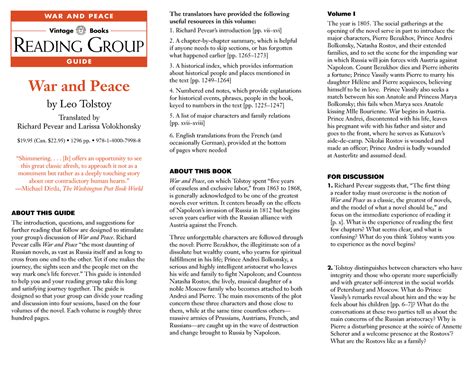
The novel "War and Peace" by Leo Tolstoy is a literary masterpiece that has captivated readers for centuries with its profound exploration of human nature, love, family, and power set against the backdrop of the Napoleonic Wars. Published in 1865-1869, this sweeping epic follows the lives of several aristocratic Russian families, particularly the Bezukhovs, the Rostovs, and the Bolkonskys, as they navigate the tumultuous years of the early 19th century. The novel spans over a decade, from 1805 to 1812, intertwining historical events with the personal struggles and triumphs of its characters.
Historical Context and Literary Significance
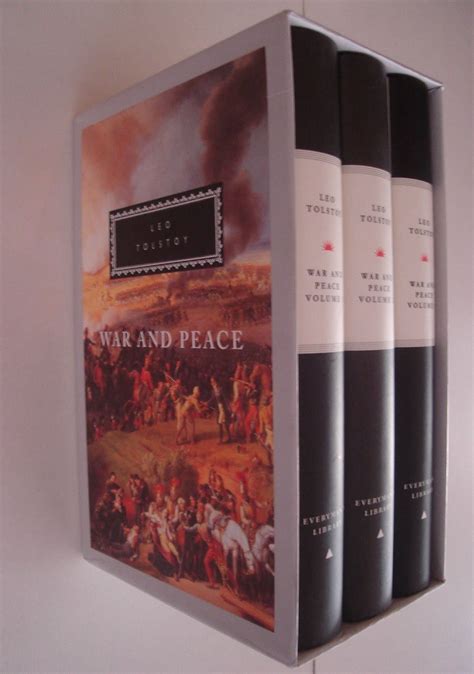
Tolstoy’s work is not merely a historical novel but a deeply philosophical exploration of the human condition. It questions the nature of power, the inevitability of fate, and the search for meaning in a seemingly chaotic world. The novel is divided into four volumes and fifteen books, each meticulously detailing the experiences of its vast array of characters. From the lavish parties of St. Petersburg to the blood-soaked battlefields of Austerlitz and Borodino, Tolstoy masterfully recreates the era, weaving historical figures like Napoleon and Tsar Alexander I into the fabric of his narrative.
Central Characters and Their Journeys
At the heart of “War and Peace” are its characters, whose lives are as complex and multifaceted as the novel itself. Pierre Bezukhov, the socially awkward but intellectually curious son of a wealthy count, grapples with the meaning of life and his own destiny. Prince Andrei Bolkonsky, a military officer, seeks glory and fulfillment on the battlefield but finds himself disillusioned by the harsh realities of war. Natasha Rostova, with her vivacity and beauty, represents the joy and innocence of youth, only to face the bitter challenges of adulthood and personal loss. Through their journeys, Tolstoy explores themes of love, family, loyalty, and the search for one’s place in the world.
| Character | Description |
|---|---|
| Pierre Bezukhov | The illegitimate son of a wealthy count, known for his introspective and compassionate nature. |
| Prince Andrei Bolkonsky | A military officer who fights in the Napoleonic Wars, struggling with his own sense of purpose and disillusionment. |
| Natasha Rostova | A young countess who undergoes significant personal growth and transformation throughout the novel. |
Themes and Symbolism
“War and Peace” is rich in themes and symbolism, reflecting Tolstoy’s profound understanding of human nature and society. The novel explores the contrast between the artificial, superficial world of high society and the genuine, heartfelt experiences of its characters. It also delves into the concept of power, whether it be the political power wielded by Napoleon and the Russian royalty or the personal power that comes from self-awareness and resilience. The natural world, with its cyclical patterns of birth, growth, decay, and renewal, serves as a backdrop and metaphor for the characters’ journeys, symbolizing the inevitability of change and the interconnectedness of all things.
Key Points
- "War and Peace" is a novel that blends historical fact with fictional narrative to explore themes of love, family, power, and personal growth.
- The novel is set against the backdrop of the Napoleonic Wars, focusing on the experiences of several aristocratic Russian families.
- Central characters like Pierre, Prince Andrei, and Natasha undergo significant personal transformations, exploring the human condition in the face of war and social change.
- Tolstoy's work is known for its philosophical depth, questioning the nature of power, the search for meaning, and the role of fate in human lives.
- The novel's structure and characters reflect Tolstoy's vision of life as a complex, interconnected web of human experiences and historical events.
Legacy and Impact
“War and Peace” has left an indelible mark on world literature, influencing countless authors and works of fiction. Its impact extends beyond literature, offering insights into history, philosophy, and human psychology. The novel’s exploration of universal themes continues to resonate with readers today, making it a timeless classic that transcends its historical context. As a work of literature, it stands as a testament to the power of storytelling to capture the essence of human experience and to inspire reflection, empathy, and understanding.
In conclusion, "War and Peace" is more than a novel; it is a journey through the human experience, exploring the depths of love, loss, and the search for meaning in a chaotic world. Through its characters, themes, and historical backdrop, Tolstoy's masterpiece continues to captivate and inspire, offering readers a profound and enduring work of literature.
What is the central theme of “War and Peace”?
+The central theme of “War and Peace” revolves around the exploration of human nature, including love, family, power, and the search for meaning, set against the historical backdrop of the Napoleonic Wars.
Who are the main characters in the novel?
+The main characters include Pierre Bezukhov, Prince Andrei Bolkonsky, and Natasha Rostova, each undergoing significant personal journeys and transformations throughout the novel.
What historical events are depicted in “War and Peace”?
+The novel depicts several historical events, including the Battle of Austerlitz, the burning of Moscow, and the French occupation, integrating historical figures like Napoleon and Tsar Alexander I into its narrative.