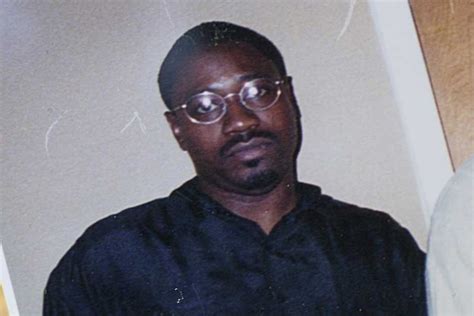
The Walter Scott shooting incident refers to a highly publicized and controversial event that occurred on April 4, 2015, in North Charleston, South Carolina. On that day, Walter Scott, a 50-year-old African American man, was fatally shot by Michael Slager, a white police officer with the North Charleston Police Department. The incident sparked widespread outrage and protests across the United States, highlighting concerns about police brutality, racial bias, and the use of excessive force against minorities.
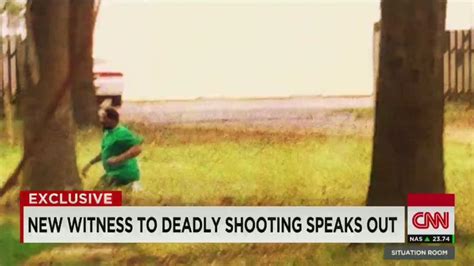
The events leading up to the shooting began when Officer Slager stopped Scott's vehicle for a broken taillight. Scott, who was driving a Mercedes-Benz, attempted to flee the scene on foot, prompting Slager to give chase. A bystander, Feidin Santana, captured the subsequent confrontation on video, which showed Slager firing eight shots at Scott as he ran away. Five of the bullets struck Scott, causing fatal injuries. The video footage, which was released to the public, contradicted Slager's initial account of the incident, in which he claimed that Scott had attempted to grab his Taser.
Key Points
- The Walter Scott shooting incident occurred on April 4, 2015, in North Charleston, South Carolina.
- Walter Scott, a 50-year-old African American man, was fatally shot by Officer Michael Slager.
- The incident was captured on video by a bystander, Feidin Santana, which showed Slager firing eight shots at Scott as he ran away.
- The video footage contradicted Slager's initial account of the incident, in which he claimed that Scott had attempted to grab his Taser.
- The shooting sparked widespread outrage and protests across the United States, highlighting concerns about police brutality and racial bias.
Investigation and Prosecution
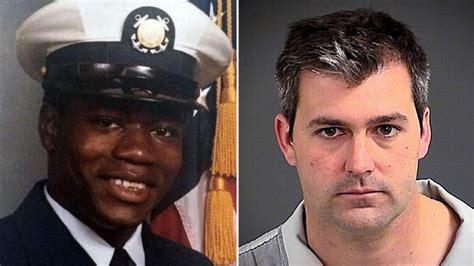
The investigation into the Walter Scott shooting incident was led by the South Carolina Law Enforcement Division (SLED), with assistance from the Federal Bureau of Investigation (FBI). The probe revealed that Slager had used excessive force and had provided false statements about the incident. In June 2015, Slager was indicted on charges of murder and manslaughter. The trial began in November 2016, with the prosecution arguing that Slager had intentionally shot Scott without justification. The defense, on the other hand, claimed that Slager had acted in self-defense, despite the video evidence showing Scott running away.
The trial ended in a mistrial in December 2016, with the jury unable to reach a verdict. However, in May 2017, Slager pleaded guilty to federal charges of violating Scott's civil rights, specifically deprivation of rights under color of law. As part of the plea agreement, Slager admitted to using excessive force and to having provided false statements about the incident. In December 2017, Slager was sentenced to 20 years in prison, followed by three years of supervised release.
Aftermath and Reforms
The Walter Scott shooting incident led to widespread calls for police reform and greater accountability. In response to the incident, the North Charleston Police Department implemented several reforms, including the use of body cameras for all officers and the establishment of a civilian review board to investigate complaints of police misconduct. The incident also prompted the South Carolina General Assembly to pass legislation requiring all law enforcement agencies in the state to use body cameras.
| Reform Measures | Description |
|---|---|
| Body Cameras | Required for all law enforcement officers in South Carolina |
| Civilian Review Board | Established to investigate complaints of police misconduct |
| De-escalation Training | Provided to all law enforcement officers to reduce the use of force |
| Community Policing Initiatives | Implemented to improve relationships between law enforcement and the community |
Racial Bias and Police Brutality
The Walter Scott shooting incident is part of a larger national conversation about police brutality and racial bias. The incident has been cited as an example of the disproportionate use of force against African Americans by law enforcement officers. According to data from the Washington Post, in 2015, African Americans were 2.5 times more likely to be shot and killed by police than white Americans. The incident has also sparked discussions about the role of implicit bias in policing and the need for greater diversity and cultural sensitivity training for law enforcement officers.
The incident has also led to calls for greater accountability and transparency within law enforcement agencies. Many advocates argue that police departments should be required to release body camera footage and other evidence related to officer-involved shootings, in order to increase trust and transparency. Additionally, there have been calls for independent investigations into police shootings, rather than relying on internal investigations or grand juries.
Community Response and Activism
The Walter Scott shooting incident sparked widespread outrage and protests in North Charleston and across the United States. The incident was cited as an example of the need for greater police accountability and reform, and it helped to galvanize the Black Lives Matter movement. In the aftermath of the incident, community activists and organizers worked to push for reforms, including the use of body cameras and civilian review boards.
What were the circumstances surrounding the Walter Scott shooting incident?
+The Walter Scott shooting incident occurred on April 4, 2015, in North Charleston, South Carolina. Scott, a 50-year-old African American man, was stopped by Officer Michael Slager for a broken taillight. Scott attempted to flee the scene on foot, prompting Slager to give chase. A bystander captured the subsequent confrontation on video, which showed Slager firing eight shots at Scott as he ran away.
What were the consequences for Officer Michael Slager?
+Officer Michael Slager pleaded guilty to federal charges of violating Scott's civil rights and was sentenced to 20 years in prison, followed by three years of supervised release.
What reforms were implemented in response to the Walter Scott shooting incident?
+In response to the incident, the North Charleston Police Department implemented several reforms, including the use of body cameras for all officers and the establishment of a civilian review board to investigate complaints of police misconduct. The incident also prompted the South Carolina General Assembly to pass legislation requiring all law enforcement agencies in the state to use body cameras.
The Walter Scott shooting incident is a tragic reminder of the need for greater police accountability and reform. The incident highlights the importance of body cameras, civilian review boards, and de-escalation training in reducing the risk of deadly force encounters. As the nation continues to grapple with issues of police brutality and racial bias, it is essential that law enforcement agencies prioritize transparency, accountability, and community trust. By working together to implement reforms and address the root causes of these issues, we can create a safer and more just society for all.