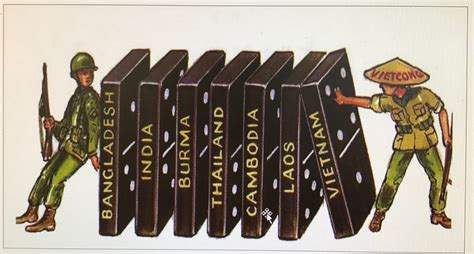
The Vietnam War, a conflict that lasted from 1955 to 1975, was one of the most pivotal and tumultuous periods in modern history. The war was a complex and multifaceted struggle, involving political, social, and military dimensions that continue to shape our understanding of the world today. One of the most powerful ways to comprehend the human impact of the Vietnam War is through photographs. These images, captured by courageous and talented photographers, provide a window into the experiences of soldiers, civilians, and families affected by the conflict.
Key Points
- The Vietnam War was a prolonged and complex conflict that involved multiple countries and had far-reaching consequences.
- Photography played a crucial role in documenting the war and its impact on individuals and communities.
- Iconic images from the war, such as the napalm girl and the execution of a Viet Cong prisoner, have become symbols of the conflict's brutality and humanity.
- The war had a profound effect on American society, contributing to widespread protests and social unrest.
- The legacy of the Vietnam War continues to influence contemporary politics, international relations, and cultural expression.
The Power of Photography in Documenting the Vietnam War
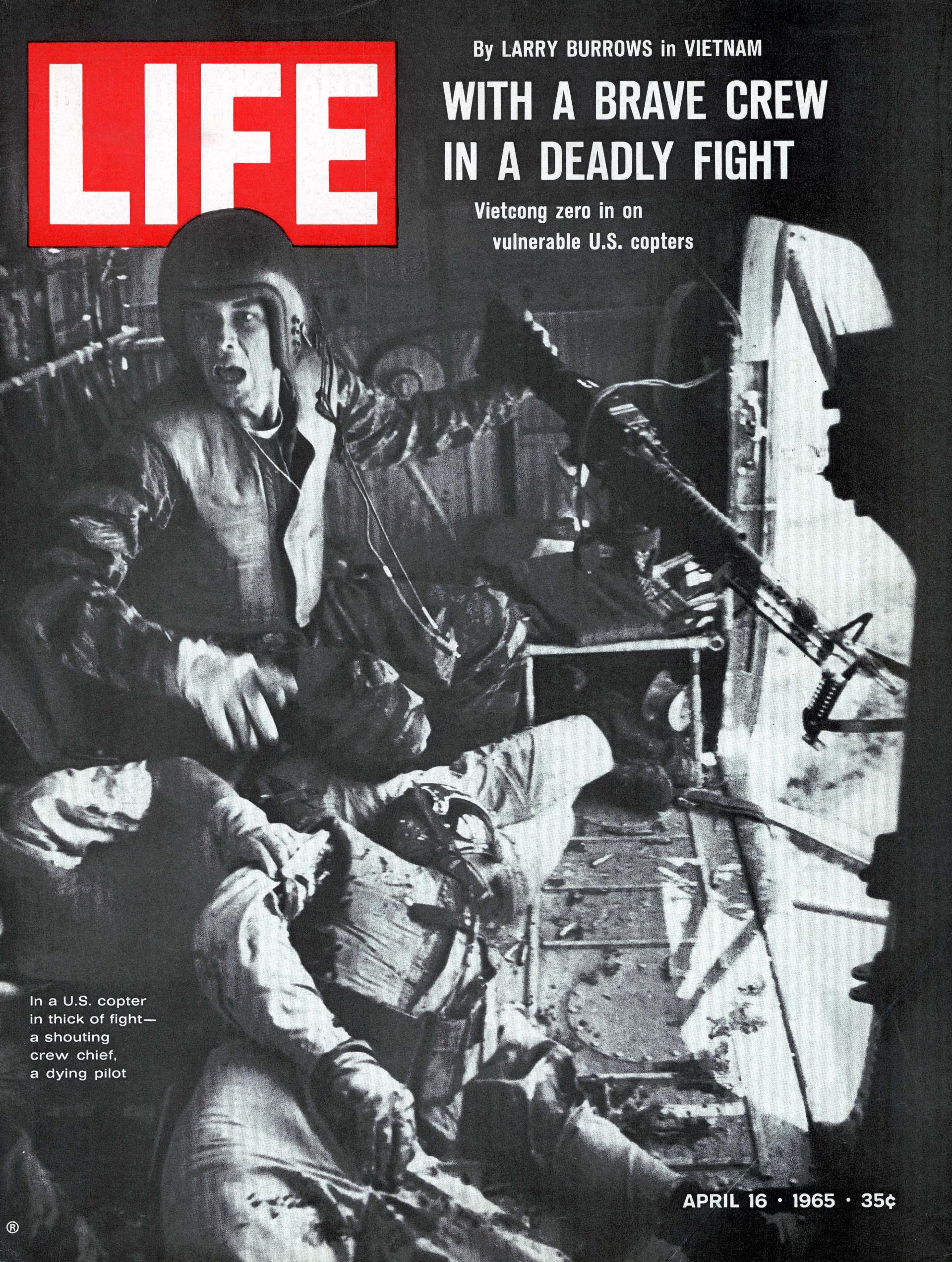
Photographers like Don McCullin, Tim Page, and Larry Burrows risked their lives to capture the realities of war, often finding themselves in the midst of battles and witnessing the devastating consequences of conflict. Their images, which appeared in publications like Life magazine, brought the war into the living rooms of people around the world, raising awareness and sparking debate about the conflict’s justification and conduct.
Iconic Images and Their Impact
Certain photographs from the Vietnam War have become etched in our collective memory, symbolizing the horror, chaos, and humanity of the conflict. The image of Phan Thi Kim Phuc, a young girl running naked and burned from a napalm attack, is one such example. This photograph, taken by Nick Ut in 1972, not only highlighted the indiscriminate nature of modern warfare but also the enduring impact of conflict on civilians, particularly children. Another powerful image is the execution of a Viet Cong prisoner by South Vietnamese General Nguyen Ngoc Loan, captured by Eddie Adams in 1968, which starkly illustrates the brutality and complexity of the conflict.
| Photographer | Image Description | Year |
|---|---|---|
| Nick Ut | Napalm Girl (Phan Thi Kim Phuc) | 1972 |
| Eddie Adams | Execution of a Viet Cong Prisoner | 1968 |
| Don McCullin | Shell-shocked US Marine | 1968 |
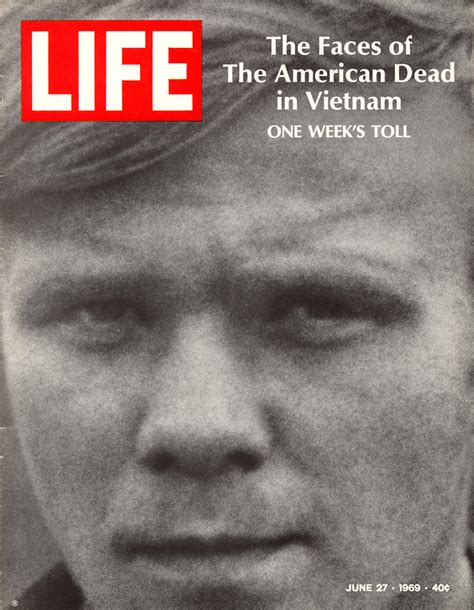
The War’s Impact on American Society
The Vietnam War had a profound effect on American society, contributing to widespread protests, social unrest, and a reevaluation of American foreign policy. The anti-war movement, fueled by images and reports from the front lines, grew in strength and visibility, with many Americans questioning the war’s purpose and the government’s handling of the conflict. This period of social upheaval saw the emergence of new political and cultural movements, as people sought to redefine American values and priorities.
Cultural and Historical Context
Understanding the Vietnam War requires a consideration of the historical and cultural context in which it occurred. The Cold War, the civil rights movement, and the rise of consumer culture all played significant roles in shaping American perceptions of the war and its place in the broader narrative of American history. Photographs from this era, whether taken by professional journalists or amateur photographers, provide a unique lens through which to view these intersecting narratives, offering insights into the experiences of soldiers, activists, and ordinary citizens.
What was the significance of the Vietnam War in American history?
+The Vietnam War was a pivotal event in American history, marking a turning point in the country's foreign policy, social movements, and cultural identity. It led to significant changes in American society, including increased distrust of government, the growth of the anti-war movement, and a reevaluation of American values.
How did photography influence public perception of the Vietnam War?
+Photography played a crucial role in shaping public perception of the Vietnam War, bringing the conflict into the homes of Americans and humanizing the experience of soldiers and civilians. Iconic images from the war, such as the napalm girl and the execution of a Viet Cong prisoner, became symbols of the war's brutality and complexity, influencing public opinion and contributing to the growing anti-war movement.
In conclusion, the photographs from the Vietnam War offer a powerful and enduring testament to the human experience of conflict. Through the lenses of brave and talented photographers, we glimpse the complexities, the horrors, and the humanity of war. These images, along with the stories they tell, continue to educate, inspire, and challenge us, serving as a reminder of the importance of understanding our shared history and the need for empathy and peace in our world.