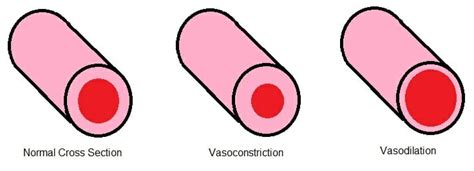
The term "vaso" is a medical prefix that originates from the Latin word "vas," meaning "vessel" or "duct." In medical terminology, "vaso" is used to refer to blood vessels or other types of vessels within the body. This prefix is commonly used in combination with other roots and suffixes to create medical terms related to the circulatory system, vascular diseases, and surgical procedures involving blood vessels.
Understanding Vaso-Related Medical Terms

Vaso-related medical terms are used to describe various aspects of blood vessels and their functions. For example, the term “vasodilation” refers to the widening of blood vessels, which can help to improve blood flow and reduce blood pressure. On the other hand, “vasoconstriction” refers to the narrowing of blood vessels, which can increase blood pressure and reduce blood flow. These terms are essential in understanding cardiovascular diseases and developing effective treatment strategies.
Vaso-Related Medical Conditions
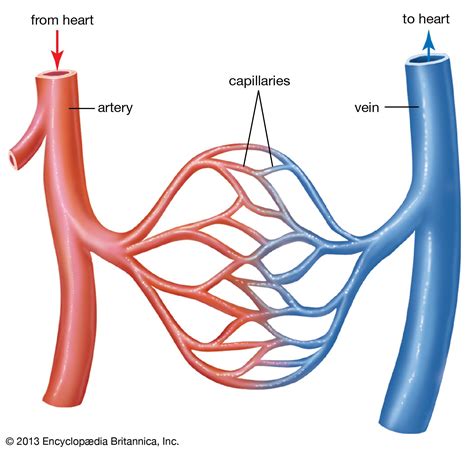
Several medical conditions are related to the term “vaso.” One such condition is vasculitis, which refers to the inflammation of blood vessels. This condition can cause damage to the blood vessels and lead to complications such as organ damage and blood clots. Another condition is atherosclerosis, which is the narrowing of blood vessels due to the buildup of plaque. This condition can increase the risk of heart attacks, strokes, and other cardiovascular diseases.
| Medical Term | Definition |
|---|---|
| Vasodilation | The widening of blood vessels |
| Vasoconstriction | The narrowing of blood vessels |
| Vasculitis | The inflammation of blood vessels |
| Atherosclerosis | The narrowing of blood vessels due to plaque buildup |
Key Points
- The prefix "vaso" refers to blood vessels or other types of vessels within the body.
- Vaso-related medical terms are used to describe various aspects of blood vessels and their functions.
- Vasodilation and vasoconstriction are two essential concepts in understanding cardiovascular diseases.
- Vasculitis and atherosclerosis are two medical conditions related to the term "vaso."
- Understanding vaso-related medical terms is crucial for medical professionals to provide accurate diagnoses and effective treatment strategies.
Vaso-Related Surgical Procedures

Vaso-related surgical procedures are performed to repair or replace damaged blood vessels. One such procedure is angioplasty, which involves the use of a balloon to widen narrowed blood vessels. Another procedure is vascular bypass surgery, which involves the use of a graft to bypass blocked blood vessels. These procedures can help to improve blood flow and reduce the risk of cardiovascular diseases.
Vaso-Related Diagnostic Tests
Vaso-related diagnostic tests are used to evaluate the function and structure of blood vessels. One such test is angiography, which involves the use of X-rays and contrast agents to visualize blood vessels. Another test is Doppler ultrasound, which uses sound waves to measure blood flow and detect any blockages in blood vessels. These tests are essential in diagnosing cardiovascular diseases and developing effective treatment strategies.
What is the prefix "vaso" used for in medical terminology?
+The prefix "vaso" is used to refer to blood vessels or other types of vessels within the body.
What is vasodilation, and how does it affect blood vessels?
+Vasodilation is the widening of blood vessels, which can help to improve blood flow and reduce blood pressure.
What is the difference between vasculitis and atherosclerosis?
+Vasculitis is the inflammation of blood vessels, while atherosclerosis is the narrowing of blood vessels due to plaque buildup.
In conclusion, the term “vaso” is a critical prefix in medical terminology, and understanding its related medical terms is essential for medical professionals to provide accurate diagnoses and effective treatment strategies for patients with cardiovascular diseases. By recognizing the importance of vaso-related medical terms, medical professionals can improve patient outcomes and reduce the risk of cardiovascular diseases.