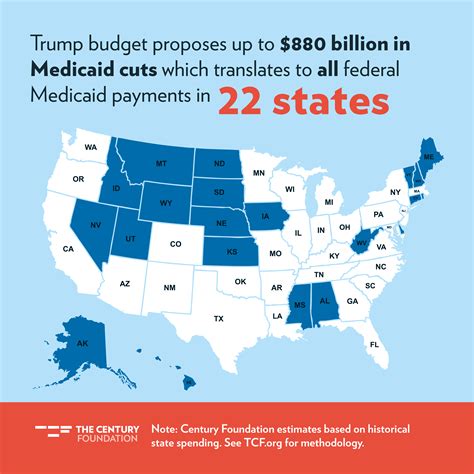
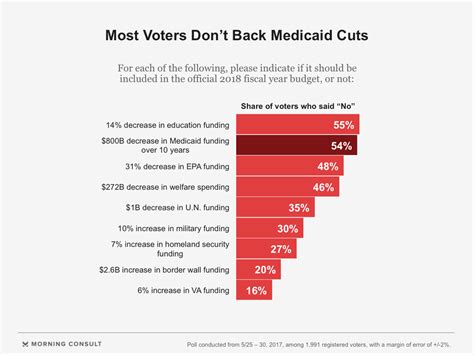
The proposed Trump Medicaid cuts have sent shockwaves throughout the healthcare industry, sparking concerns about the potential consequences for vulnerable populations. As the debate surrounding these cuts continues to unfold, it is essential to examine the potential impact on healthcare access and outcomes. With over 70 million individuals relying on Medicaid for their healthcare needs, any changes to the program could have far-reaching implications. The Trump administration's proposal to slash Medicaid funding by $800 billion over the next decade has raised eyebrows, with many questioning the motivations behind such drastic measures.
Key Points
- The proposed Trump Medicaid cuts could lead to reduced healthcare access for vulnerable populations, including low-income individuals and families.
- The cuts could result in a loss of health insurance coverage for millions of Americans, exacerbating existing health disparities.
- States may be forced to make difficult decisions about which services to prioritize, potentially leading to reduced quality of care.
- The Medicaid cuts could have a disproportionate impact on rural areas, where access to healthcare is already limited.
- Advocates argue that the cuts could undermine the progress made in expanding healthcare access under the Affordable Care Act (ACA).
Understanding the Proposed Cuts
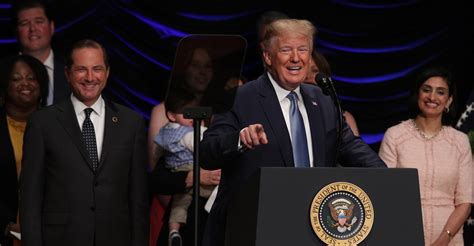
The Trump administration’s proposal to cut Medicaid funding is part of a broader effort to reform the healthcare system. Proponents of the cuts argue that they are necessary to reduce the federal deficit and promote more efficient healthcare delivery. However, critics contend that the cuts would have devastating consequences for those who rely on Medicaid for their healthcare needs. Under the proposed plan, Medicaid funding would be converted into block grants, giving states more flexibility to manage their programs. While this may seem like a positive development, many experts warn that it could lead to reduced funding and decreased access to essential healthcare services.
Impact on Vulnerable Populations
The proposed Medicaid cuts would likely have a disproportionate impact on vulnerable populations, including low-income individuals and families, children, and people with disabilities. These groups often rely heavily on Medicaid for their healthcare needs, and any reductions in funding could lead to reduced access to essential services. For example, a study by the Kaiser Family Foundation found that Medicaid covers over 40% of children with special healthcare needs, highlighting the critical role the program plays in supporting these families. The proposed cuts could lead to a loss of health insurance coverage for millions of Americans, exacerbating existing health disparities and undermining the progress made in expanding healthcare access under the ACA.
| Population | Current Medicaid Enrollment | Potential Impact of Cuts |
|---|---|---|
| Low-income individuals and families | 43 million | Reduced access to healthcare services, increased health disparities |
| Children | 30 million | Loss of health insurance coverage, reduced access to pediatric care |
| People with disabilities | 10 million | Reduced access to essential healthcare services, increased risk of institutionalization |

State-Level Implications
The proposed Medicaid cuts would also have significant implications for states, which would be forced to make difficult decisions about how to allocate limited resources. States may be forced to prioritize certain services over others, potentially leading to reduced quality of care. For example, a study by the National Association of Medicaid Directors found that states would likely prioritize services such as hospital care and physician services, while potentially reducing funding for preventive care and community-based services. This could have long-term consequences for public health, as preventive care is essential for reducing healthcare costs and improving health outcomes.
Rural Healthcare Access
The proposed Medicaid cuts could also have a disproportionate impact on rural areas, where access to healthcare is already limited. Rural communities often rely heavily on Medicaid to support their healthcare infrastructure, and any reductions in funding could lead to reduced access to essential services. For example, a study by the Rural Health Association found that rural hospitals are more likely to rely on Medicaid funding than urban hospitals, highlighting the critical role the program plays in supporting rural healthcare infrastructure. The proposed cuts could lead to hospital closures and reduced access to healthcare services, exacerbating existing health disparities in rural areas.
What are the potential consequences of the proposed Medicaid cuts?
+The proposed Medicaid cuts could lead to reduced healthcare access for vulnerable populations, including low-income individuals and families, children, and people with disabilities. The cuts could result in a loss of health insurance coverage for millions of Americans, exacerbating existing health disparities.
How would the proposed Medicaid cuts affect states?
+The proposed Medicaid cuts would force states to make difficult decisions about how to allocate limited resources. States may be forced to prioritize certain services over others, potentially leading to reduced quality of care. The cuts could also lead to reduced funding for preventive care and community-based services, potentially exacerbating existing health disparities.
What can be done to mitigate the impact of the proposed Medicaid cuts?
+Policymakers should focus on improving the efficiency and effectiveness of the Medicaid program, while also addressing the root causes of healthcare disparities. This could involve investing in preventive care, community-based services, and healthcare infrastructure, particularly in rural areas. Additionally, policymakers should consider the potential consequences of the proposed cuts and work to develop more nuanced solutions that prioritize the needs of vulnerable populations.
Meta description suggestion: “The proposed Trump Medicaid cuts threaten to undermine healthcare access for vulnerable populations. Learn more about the potential consequences and what can be done to mitigate the impact.” (151 characters)