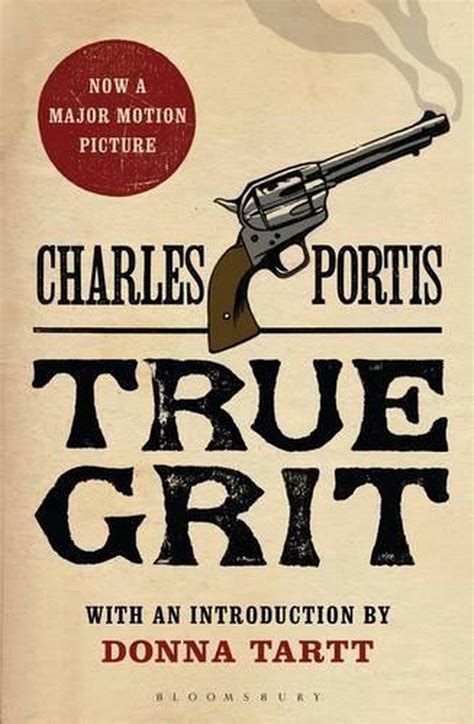
Charles Portis's novel "True Grit" has captivated readers with its unique blend of adventure, humor, and coming-of-age themes since its publication in 1968. The story, told through the eyes of Mattie Ross, a determined and fiercely independent 14-year-old girl, has become a classic of American literature. For those seeking to delve deeper into the world of "True Grit" or to appreciate its nuances, here are five book tips that offer insights into the novel's richness and depth.
Understanding the Historical Context

To fully appreciate “True Grit,” it’s essential to understand the historical context in which the story takes place. Set in the late 19th century, the novel is grounded in the realities of the American West during the post-Civil War era. The characters’ experiences, motivations, and the societal norms they navigate are all influenced by this period. For instance, the concept of “grit” itself, which refers to courage and determination, is deeply rooted in the frontier spirit of the time. Readers who grasp this context will find the characters’ journeys more relatable and the themes more resonant.
The Significance of Mattie Ross as a Narrator
Mattie Ross, the protagonist and narrator, is a pivotal element of “True Grit.” Her unique voice, with its blend of innocence, intelligence, and stubbornness, guides the reader through the story. Mattie’s perspective not only shapes our understanding of the events but also reflects the societal attitudes towards women and girls during that era. Her determination to avenge her father’s death and her adventures with Rooster Cogburn, a tough U.S. Marshal, challenge conventional norms, making her one of the most memorable and empowering female characters in literature. Analyzing Mattie’s character development throughout the novel provides valuable insights into themes of gender, maturity, and the human condition.
| Character Traits | Significance in the Novel |
|---|---|
| Determination | Drives the plot forward and challenges gender norms |
| Independence | Reflects the evolving role of women in the late 19th century |
| Naivety | Serves as a contrast to the harsh realities of the adult world |

Exploring Themes of Justice and Morality

“True Grit” delves into profound themes of justice, morality, and the nature of right and wrong. Through Mattie’s quest for vengeance and her interactions with characters like Rooster and Tom Chaney, the novel raises questions about the morality of violence, the importance of integrity, and the challenges of applying the law in a frontier society. These themes are timeless and invite readers to reflect on their own beliefs about justice and how it should be served. The novel’s exploration of these complex issues adds depth and complexity, making it a compelling read for both entertainment and introspection.
The Role of Setting in Shaping the Narrative
The setting of “True Grit,” which spans from Mattie’s home in Yell County, Arkansas, to the rugged and dangerous Indian Territory (present-day Oklahoma), plays a crucial role in shaping the narrative. The harsh environment and the lawless nature of the frontier serve as a backdrop for the characters’ adventures, influencing their actions and decisions. The setting also symbolizes the broader themes of the novel, such as the clash between civilization and wilderness, and the transition from childhood to adulthood. Understanding the significance of the setting can enhance one’s appreciation for the novel’s themes and character development.
Key Points
- Understanding the historical context of the late 19th century American West is crucial for appreciating the novel's themes and characters.
- Mattie Ross's character, as the narrator and protagonist, offers a unique perspective on gender, maturity, and the human condition.
- The themes of justice and morality are central to the novel, inviting readers to reflect on their beliefs about right and wrong.
- The setting of the novel, from Arkansas to Indian Territory, significantly influences the narrative and symbolizes broader themes.
- The dynamic between characters, particularly Mattie and Rooster, explores complex human relationships and themes of mentorship and trust.
In conclusion, "True Grit" is a novel that rewards close reading and reflection. Its rich characters, engaging storyline, and exploration of profound themes make it a work of literature that continues to captivate audiences. By considering the historical context, the significance of Mattie Ross as a narrator, the themes of justice and morality, the role of setting, and the dynamics between characters, readers can deepen their understanding and appreciation of this American classic.
What makes Mattie Ross a compelling narrator?
+Mattie’s determination, independence, and unique voice make her a compelling narrator. Her perspective, which blends innocence with a mature understanding of the world, guides the reader through the story and offers insights into the themes of gender, maturity, and the human condition.
How does the setting influence the narrative of “True Grit”?
+The setting, which includes the harsh environment of the frontier and the lawless Indian Territory, significantly influences the characters’ actions and decisions. It also symbolizes broader themes such as the clash between civilization and wilderness, and the transition from childhood to adulthood.
What are some of the central themes explored in “True Grit”?
+The novel explores profound themes of justice, morality, and the nature of right and wrong. It also delves into the complexities of human relationships, the challenges of applying the law in a frontier society, and the evolving roles of women during the late 19th century.