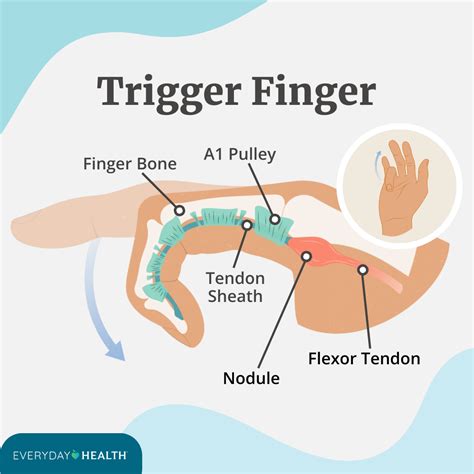
The term "trigger finger" refers to a common condition that affects the tendons in the fingers, causing pain, stiffness, and a clicking or snapping sensation when the finger is flexed or extended. This condition, also known as stenosing tenosynovitis, occurs when the tendon sheath, which surrounds the tendon, becomes inflamed or irritated, causing the tendon to catch or lock as it moves through the sheath. In severe cases, a trigger finger medical procedure may be necessary to relieve symptoms and restore normal finger function.
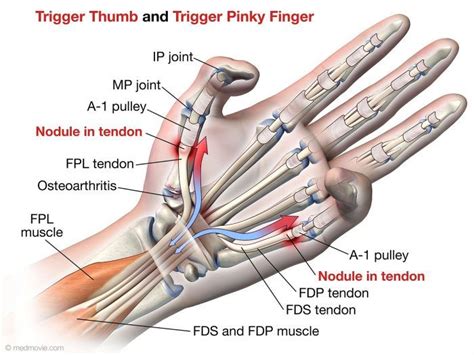
Trigger finger can be caused by a variety of factors, including repetitive motion, trauma, or certain medical conditions such as diabetes or rheumatoid arthritis. The condition can affect any of the fingers, but it is most commonly seen in the thumb, index finger, and middle finger. Symptoms of trigger finger may include pain or tenderness in the affected finger, especially when the finger is flexed or extended, swelling or redness in the affected area, and a clicking or snapping sensation when the finger is moved.
Key Points
- Trigger finger is a common condition that affects the tendons in the fingers, causing pain, stiffness, and a clicking or snapping sensation.
- The condition occurs when the tendon sheath becomes inflamed or irritated, causing the tendon to catch or lock as it moves through the sheath.
- Trigger finger can be caused by repetitive motion, trauma, or certain medical conditions, and can affect any of the fingers.
- Symptoms of trigger finger include pain or tenderness in the affected finger, swelling or redness, and a clicking or snapping sensation when the finger is moved.
- A trigger finger medical procedure may be necessary to relieve symptoms and restore normal finger function in severe cases.
Trigger Finger Medical Procedure Overview
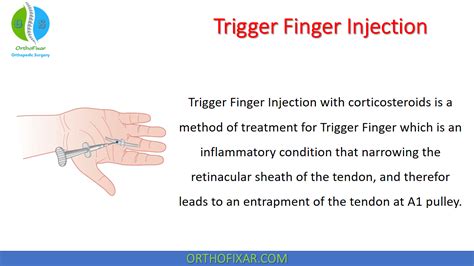
A trigger finger medical procedure is typically considered when conservative treatments, such as rest, ice, and physical therapy, have failed to provide relief. There are several types of procedures that can be used to treat trigger finger, including percutaneous release, open release, and tenolysis. The goal of these procedures is to release the affected tendon and tendon sheath, allowing for smooth movement of the finger.
Percutaneous Release Procedure
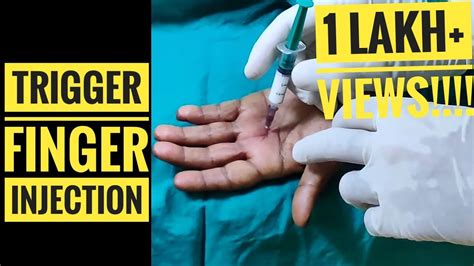
Percutaneous release is a minimally invasive procedure that involves inserting a small needle or instrument through the skin to release the affected tendon and tendon sheath. This procedure is typically performed under local anesthesia and can be done in a doctor’s office or outpatient surgical center. The procedure involves inserting the needle or instrument into the affected area and using it to gently release the tendon and tendon sheath. The procedure typically takes about 15-30 minutes to perform, and patients can usually return to normal activities within a few days.
| Procedure | Description | Recovery Time |
|---|---|---|
| Percutaneous Release | Minimally invasive procedure to release affected tendon and tendon sheath | 1-3 days |
| Open Release | Surgical procedure to release affected tendon and tendon sheath | 1-2 weeks |
| Tenolysis | Surgical procedure to remove scar tissue and adhesions from affected tendon and tendon sheath | 2-4 weeks |
Open Release Procedure
Open release is a surgical procedure that involves making a small incision in the skin to release the affected tendon and tendon sheath. This procedure is typically performed under local or general anesthesia and can be done in a hospital or outpatient surgical center. The procedure involves making a small incision in the affected area and using surgical instruments to gently release the tendon and tendon sheath. The procedure typically takes about 30-60 minutes to perform, and patients can usually return to normal activities within a few weeks.
Post-Procedure Care and Recovery
After a trigger finger medical procedure, patients will typically need to follow a post-procedure care and recovery plan to ensure proper healing and minimize the risk of complications. This plan may include rest, ice, and physical therapy to promote healing and restore finger function. Patients may also need to take pain medication to manage discomfort and swelling. It’s essential to follow the post-procedure care and recovery plan carefully to ensure optimal results and minimize the risk of complications.
Potential Risks and Complications
As with any medical procedure, there are potential risks and complications associated with trigger finger medical procedures. These may include infection, bleeding, or nerve damage. In some cases, patients may experience temporary numbness or tingling in the affected finger, which can resolve on its own or may require additional treatment. It’s essential to discuss the potential risks and complications with a qualified healthcare professional before undergoing a trigger finger medical procedure.
What are the symptoms of trigger finger?
+The symptoms of trigger finger include pain or tenderness in the affected finger, especially when the finger is flexed or extended, swelling or redness in the affected area, and a clicking or snapping sensation when the finger is moved.
What are the treatment options for trigger finger?
+The treatment options for trigger finger include conservative treatments, such as rest, ice, and physical therapy, as well as medical procedures, such as percutaneous release, open release, and tenolysis.
What is the recovery time for a trigger finger medical procedure?
+The recovery time for a trigger finger medical procedure will depend on the type of procedure performed, as well as the individual patient's overall health and medical history. In general, patients can expect to return to normal activities within a few days to several weeks after the procedure.
In conclusion, trigger finger is a common condition that can cause pain, stiffness, and limited mobility in the fingers. While conservative treatments may be effective in some cases, a trigger finger medical procedure may be necessary to relieve symptoms and restore normal finger function. By understanding the different types of procedures available, as well as the potential risks and complications, patients can make informed decisions about their treatment options and work towards achieving optimal results.